Why Windscreen Wiper Prices Vary
Windscreen wipers aren’t all created equal. A $20 set versus a $100 set comes down to blade type, materials, brand, and features. For example, traditional frame-style blades use a metal frame with rubber blades and cost less but warp in extreme heat. Beam blades are frameless, aerodynamic, and perform better in heavy rain but cost more. OEM blades fit your specific car model perfectly but cost extra. Premium brands like Bosch or Rain-X add special coatings for longer life and better water repellency.
Windscreen Wiper Types and Price Ranges
| Blade Type | Price Range (AUD) | Durability | Performance | Best For |
|---|---|---|---|---|
| Traditional | $20-$40 | 6-12 months | Good in light rain | Basic coverage |
| Beam | $40-$80 | 12-18 months | Excellent in heavy rain | High-rainfall areas |
| OEM | $50-$100 | 12-18 months | Perfect fit for your model | Specific car models |
| Premium (Bosch, Rain-X) | $60-$120 | 18-24 months | Advanced features | Extreme weather |
What to Consider When Choosing
Adelaide’s climate means you’ll face both dry summers and wet winters. If you drive often in heavy rain, beam blades or premium options like Bosch’s Aerodynamic series make sense. For occasional use, traditional blades might suffice. Always check your car’s manual for the correct size-using the wrong size can cause damage or poor performance. Also, consider rubber quality. High-grade silicone or Teflon-coated rubber lasts longer and resists cracking in heat. A windscreen wipers cost of $50 for a beam blade might seem high, but it lasts 18 months versus $30 traditional blades that wear out in 6 months. Over time, you save money.
Common Mistakes to Avoid
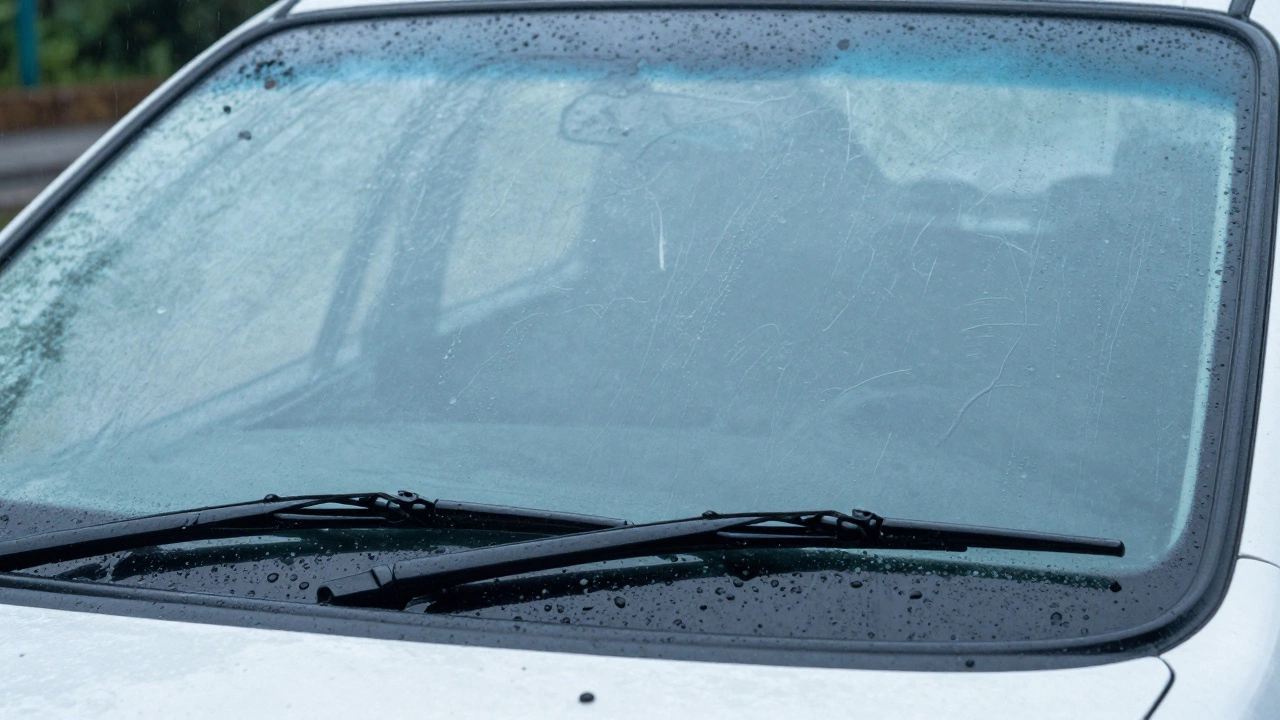
Many drivers buy cheap blades without checking compatibility. For instance, a $15 set might not fit your SUV’s wiper arms properly. Another mistake? Waiting too long to replace them. Streaking or chattering means your blades are already worn. Replace them every 6-12 months, even if they look okay. Rubber degrades from UV exposure and road grime. Also, don’t assume premium brands are always better. Michelin’s Eco blades cost $70 but are designed for fuel efficiency, not necessarily performance. If you drive mostly on dry roads, you might not need them. Finally, avoid aftermarket brands with no reviews. Stick to trusted names like Bosch, Rain-X, or Michelin for reliability.
When to Invest in Premium Blades
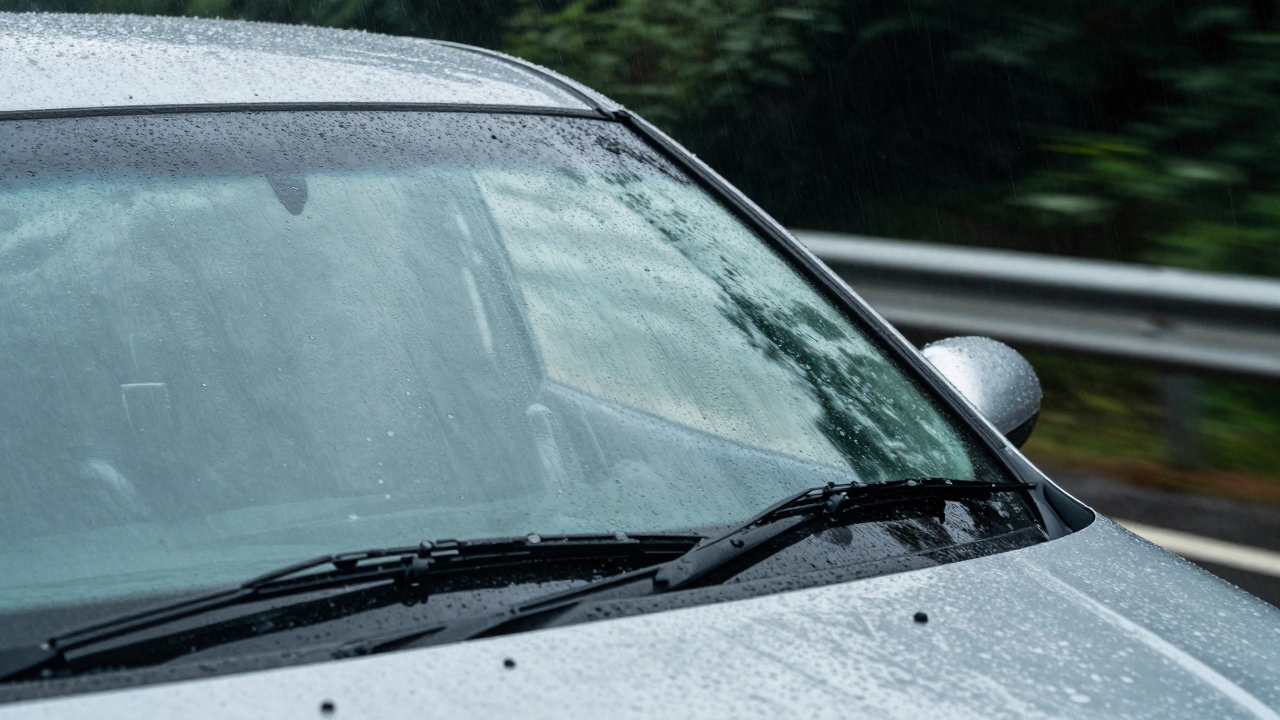
For Adelaide drivers, premium blades like Rain-X Latitude or Bosch Icon are worth it if you face frequent heavy rain or high-speed driving. These use advanced aerodynamics to stay flush with the windshield at highway speeds, reducing lift and improving wipe quality. They also have rubber compounds that resist freezing in cold snaps. A $100 set might seem steep, but it lasts 24 months. Compare that to $30 traditional blades needing replacement every 6 months-you’d spend $120 over two years. For city driving in light rain, mid-range beam blades ($50-$70) strike a balance between cost and performance. Always check reviews specific to your car model. A blade that works perfectly for a Toyota Camry might not fit a Hyundai i30.
DIY Installation Tips
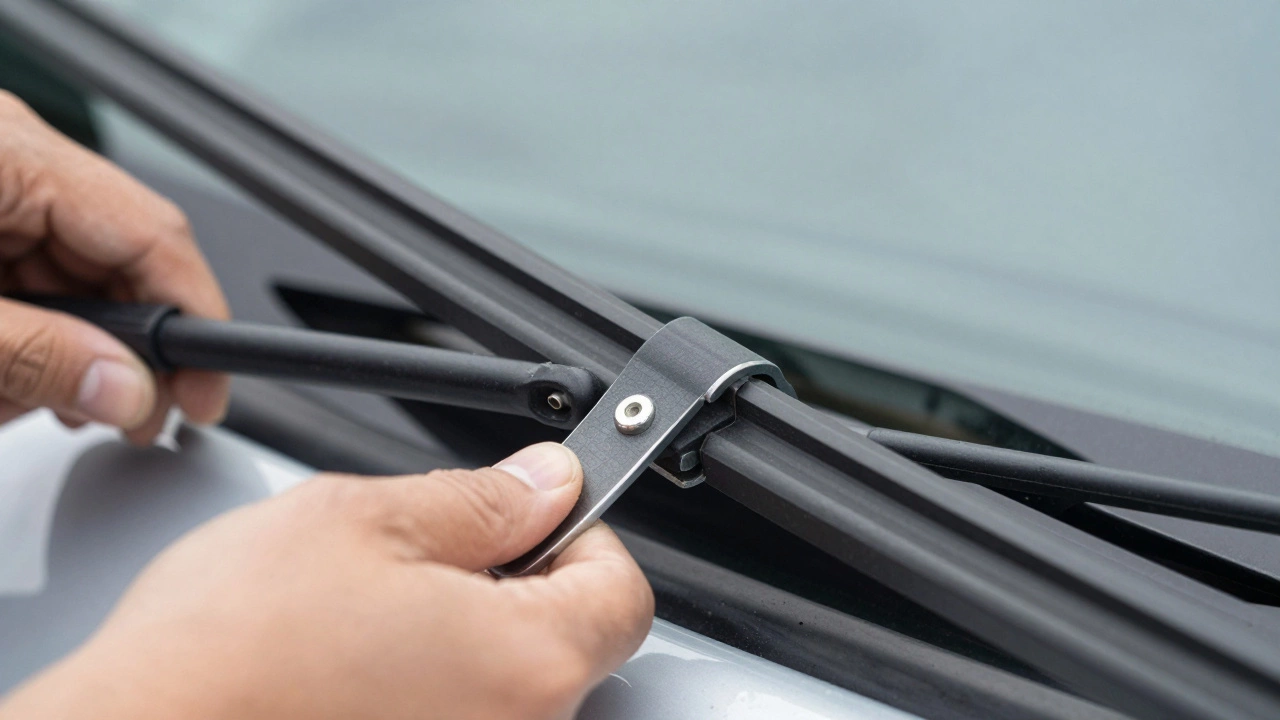
Replacing windscreen wipers is usually simple. Lift the wiper arm, press the release tab on the old blade, and slide it off. Then slide the new blade into place until it clicks. Most models don’t need tools. If you’re unsure, watch a YouTube video for your specific car. For example, Holden Commodore models have a hook-style attachment that requires aligning the new blade correctly. Always test new blades in dry conditions first-spraying water on the windshield to check for streaking. If you hear chattering, the blade might not be seated properly. Never force the installation-this can damage the wiper arm.
How often should I replace my windscreen wipers?
Replace them every 6-12 months, regardless of visible wear. Rubber degrades from UV exposure, road grime, and temperature changes. Signs like streaking, chattering, or smearing mean they’re already worn. Waiting too long reduces visibility during rain, increasing accident risk. For Adelaide’s climate, replace them before the wet season starts-around March.
Are premium wiper blades worth the extra cost?
Yes, if you drive in heavy rain or high speeds. Premium blades like Bosch’s Icon series use silicone rubber that lasts longer and resists cracking. They also have aerodynamic designs that stay flush with the windshield at highway speeds. For city driving in light rain, mid-range beam blades ($50-$70) offer good value. But if you only drive occasionally in dry conditions, traditional blades ($20-$40) work fine. Always check reviews for your specific car model.
Can I install windscreen wipers myself?
Absolutely. Most replacements take under 10 minutes. Lift the wiper arm, press the release tab, slide off the old blade, and slide the new one in. No tools needed. For hook-style arms (common in Holden models), align the new blade’s connector with the hook before clicking it in. Test them in dry conditions first-spray water on the windshield to check for streaking. If you hear chattering, the blade isn’t seated properly.
What’s the difference between beam and traditional blades?
Traditional blades use a metal frame with multiple pressure points to hold the rubber against the glass. They’re cheaper ($20-$40) but warp in heat and can lift at high speeds. Beam blades are frameless, with a single continuous pressure bar. This makes them more aerodynamic, quieter, and better at staying flush with the windshield in heavy rain or wind. They cost $40-$80 but last longer and perform better in extreme weather.
Should I buy OEM blades for my car?
Only if your car is under warranty or you need a perfect fit for a specific model. OEM blades (made by the car manufacturer) cost $50-$100 but match your vehicle’s design exactly. For most drivers, high-quality aftermarket brands like Bosch or Rain-X offer similar performance at lower prices. For example, a Bosch beam blade for a Toyota Corolla costs $65 versus $90 for the OEM version. Unless you’re driving a luxury model with custom wiper arms, aftermarket options are usually sufficient.