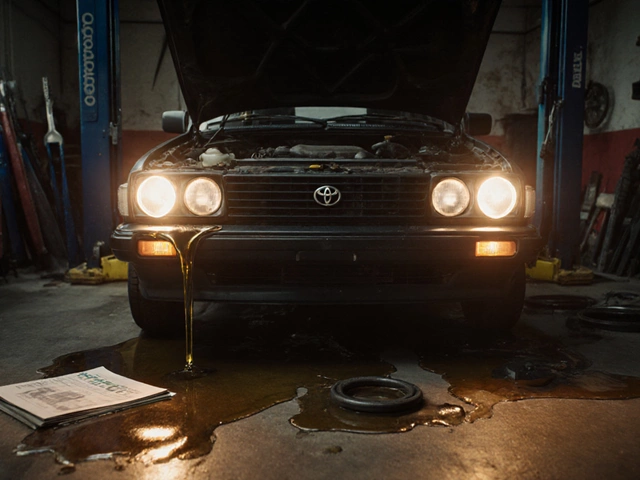
A car with bad suspension feels unstable, bounces excessively, and often makes unsettling noises over bumps. Driving on compromised suspension compromises your safety and destroys your tires faster than you might expect. You can identify most issues by paying attention to how the vehicle handles corners and uneven roads. This guide walks you through identifying the problem, checking specific components, and deciding whether to repair it yourself or hand it to a professional.
Recognizing Warning Signs Before Failure
Most suspension problems announce themselves before they cause a complete breakdown. You won't always see visible damage immediately. Instead, focus on sensory feedback from the car. If you hear a clunking sound when going over speed humps, the issue likely involves loose metal components or worn bushings. Excessive bouncing after hitting a bump suggests your dampening system has failed. Leaking fluid near the wheels is another dead giveaway that seals are no longer holding pressure.
Tire wear provides a second line of evidence. Uneven tread wear, specifically cupping or scalloping, indicates the wheel is hopping rather than rolling smoothly. If your steering wheel vibrates at certain speeds, the problem could stem from warped rotors, but suspension geometry plays a major role in stability. A pull to one side while braking often points to a seized caliper, yet stuck struts can mimic this behavior during deceleration.
The Bounce Test: A Quick Diagnostic
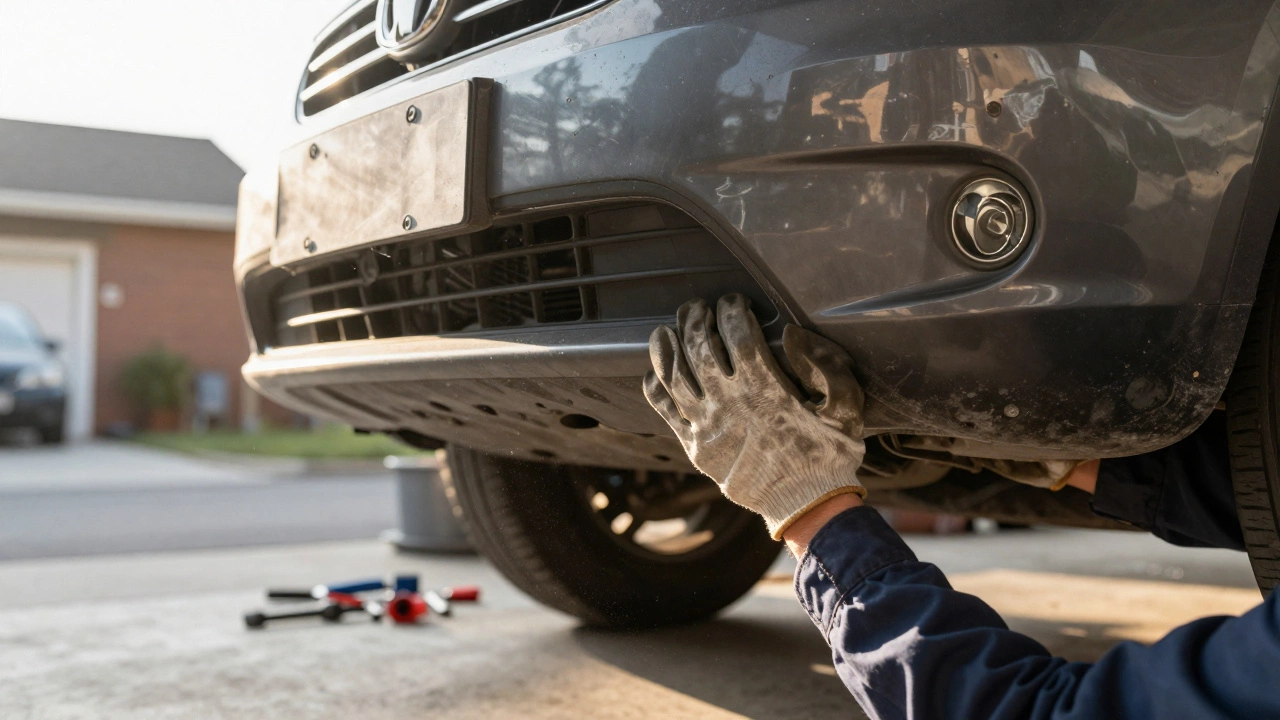
Suspension Damping describes how quickly the vehicle settles after movement. You can test this manually without lifting the car. Park on a flat, level surface. Push down hard on one corner of the vehicle and release. The car should drop and return to its resting position once. If it continues to bounce up and down multiple times, the energy from the spring isn't being absorbed.
This test is imperfect because some modern dampers feel firm even when worn, but it helps catch severe failures. Do not apply excessive force. Use steady pressure with both hands on the bumper or body panel. If you notice uneven settling between the left and right sides, one side likely has failing components. Remember that independent suspension systems work separately on each wheel, so damage on the front left won't necessarily affect the front right.
| Component | Symptom | Likelihood |
|---|---|---|
| Shock Absorber | Excessive bouncing, fluid leak | High |
| Control Arm Bushing | Clunking noise over bumps | Medium |
| Coil Spring | Vehicle sits lower on one side | Low |
| Strut Mount | Noise during turning, harshness | Medium |
Key Components That Fail First
The Car Suspension System relies on several working together. Identifying which part is actually broken saves money. Replacing a whole assembly when only the mount is dead costs extra labor and parts. Here is what typically wears out first.
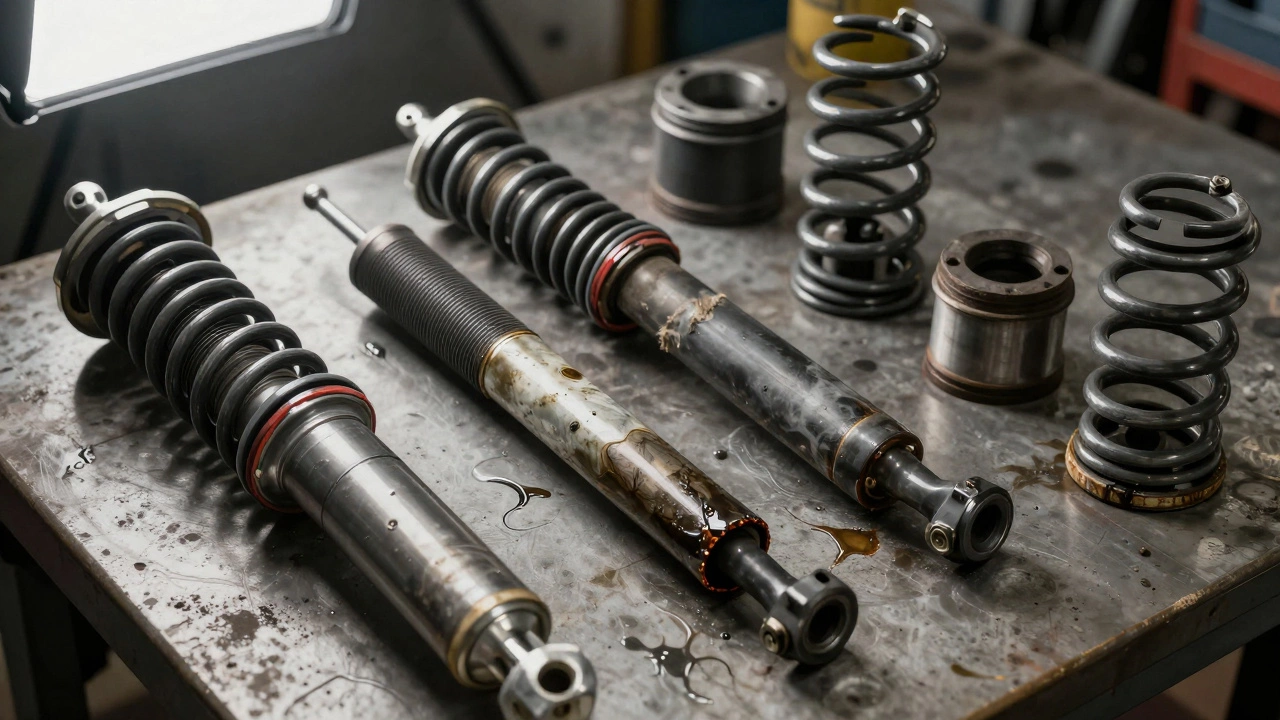
Shock Absorbers: These convert kinetic energy into thermal energy, controlling the spring oscillation. They are hydraulic and eventually lose viscosity or develop seal leaks. Once the oil seeps out, they offer no resistance. Most manufacturers suggest inspecting them every 20,000 kilometers. If your car leans in a turn, the sway bar link attached to the shock may also be fractured.
Struts: Unlike shocks, struts act as structural pillars for the wheel hub. They are common in front-wheel-drive vehicles. Because they bear load, they cannot simply be removed while the weight remains on the assembly. You need a spring compressor to replace the internals safely. Swapping old struts without replacing mounts causes immediate re-failure due to increased vibration transfer.
Bushings: These rubber isolators sit between metal control arms and the chassis. Over time, heat and friction cause the rubber to crack. When the bushing tears, metal touches metal. This creates the rattling sounds you hear in silence. Harder bushings improve handling but reduce comfort. Soft bushings last longer but allow slight flex under heavy braking.
Safety Checks Before Working Underneath
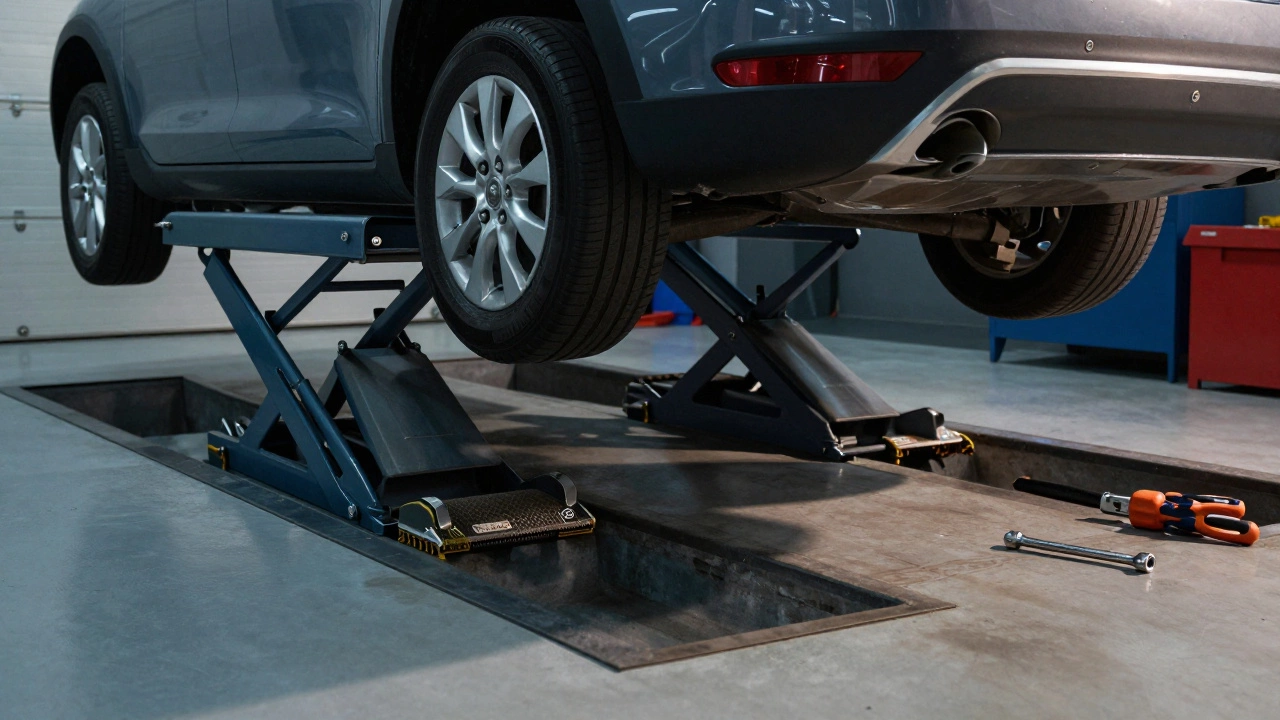
Attempting repairs without securing the vehicle is dangerous. The chassis can roll off jack stands if surfaces aren't flat. Always place a block behind the opposing wheels. Use jack stands rated for at least twice the weight of your vehicle. Never rely solely on a hydraulic floor jack. Gravity will win eventually if the pump releases.
If you are lifting the rear axle to access shock absorbers, remember that the differential carries weight too. Support the engine or transmission crossmember before removing the exhaust pipe. Some older models require special brackets to hold the engine in place. Inspect your workspace for debris. Even small rocks left on the ground can mar the frame when lowering the car back down.
Tools Required for Basic Repair
You do not need a full professional garage setup, but you need precision tools. Impact drivers strip bolts easily, so stick with standard ratchets for torque-sensitive components. A torque wrench is essential for reassembling suspension hardware. Overtightened bolts stretch threads and lead to failure later. Specific sizes change by vehicle model year.
- Spring Compressor Kit: Mandatory for strut removal to prevent explosion.
- Pitman Arm Puller: Often required to detach links from knuckles.
- Ball Joint Separator: Helps remove control arms without damaging the stud.
- Forklift or Lift Tables: Optional but recommended for heavy-duty trucks.
Investing in good quality sockets prevents rounding off head shapes. Rusty bolts are common on cars aged ten years or older. Penetrating oil applied twenty-four hours before starting dissolves corrosion. Tap frozen nuts with a hammer to loosen threads gently. Heat guns can help stubborn fasteners, but avoid open flames near brake lines or fuel hoses.
When to Call a Mechanic
There are limits to DIY work. Strut replacements involve high tension coils that store lethal energy. If you haven't used a spring compressor before, hire a pro. Subframe removal requires heavy equipment to separate mounting points safely. Electronic suspension systems found in luxury vehicles need diagnostic computers to reset settings after repair. Ignoring software codes can trigger warning lights permanently.
Cost is another factor. Sometimes the labor charge to do it yourself exceeds the shop rate due to tool rental or mistakes. A professional shop includes a warranty on their workmanship. They also have access to OEM parts that online sellers might not stock anymore. Ask for a detailed estimate including labor hours and parts tax. If the quote seems high, get a second opinion from an independent specialist.
Alignment and Final Checks
New suspension parts change the ride height slightly. This alters the angle of your wheels relative to the road. Skipping a Wheel Alignment leads to rapid tire wear again. The shop should measure camber, caster, and toe angles. Toe determines straight-line tracking. Incorrect toe settings cause pulling or wandering on highways.
After fixing the hardware, drive slowly on a smooth road first. Listen for any metallic knocking that wasn't there before. Check for fluid leaks again after 100 kilometers. Tighten critical bolts to specification once the rubber elements settle. Regularly inspect your spare tire pressure; driving on a spare with soft sidewalls stresses the new suspension setup unexpectedly.
Maintenance Routine for Longevity
Prevention reduces repair frequency. Wash wheel wells regularly to remove salt buildup. Salt eats away rubber bushings rapidly. Check for dents in the lower control arm that happened during curb scraping. A bent arm changes geometry permanently and cannot be corrected by alignment alone. Rotate tires every six months to spread wear evenly across different suspension loads.
Frequently Asked Questions
How long do shock absorbers last?
Typically between 80,000 and 100,000 kilometers depending on road conditions. Rough terrain significantly shortens this lifespan. Fluid leakage is the primary indicator of failure.
Is it safe to drive with a faulty suspension?
It depends on severity. Minor bushing wear is tolerable for short distances. Leaking struts or collapsed springs compromise traction and braking distance. Avoid highway speeds if instability is noticed.
Should I replace suspension parts in pairs?
Yes, replacing only one side creates uneven damping. This pulls the vehicle toward the stiffer side during braking and cornering. Matched sets ensure consistent handling dynamics.
Can I upgrade to air suspension later?
Air kits are expensive modifications requiring compressors and controllers. Most standard steel coil setups remain more reliable for daily commuting unless load carrying capacity is required.
What causes uneven tire wear?
Misalignment, worn shocks, or collapsed bushings cause cupping. Feathered edges indicate toe misadjustment. Correcting alignment without fixing worn suspension parts yields temporary results.