Brake Warning Symptom Checker
Check all boxes that apply to your current driving experience.
Select symptoms above to check
your brake status.
Potential Issues:
Recommended Action:
You press the pedal, and instead of a smooth stop, you hear a metallic shriek. Or maybe nothing happens at all-except for a faint glow on your dashboard that you’ve been ignoring since last Tuesday. The question isn’t just whether your car *can* tell you; it’s whether you’re listening to what it’s trying to say.
Most modern vehicles are equipped with systems designed to alert you before your brake pads become critical safety hazards. However, these warnings aren’t always obvious. Some cars use electronic sensors, while others rely on mechanical wear indicators. Understanding how your specific vehicle communicates its braking needs can save you money, prevent damage to your rotors, and most importantly, keep you safe on the road.
How Modern Cars Detect Worn Brake Pads
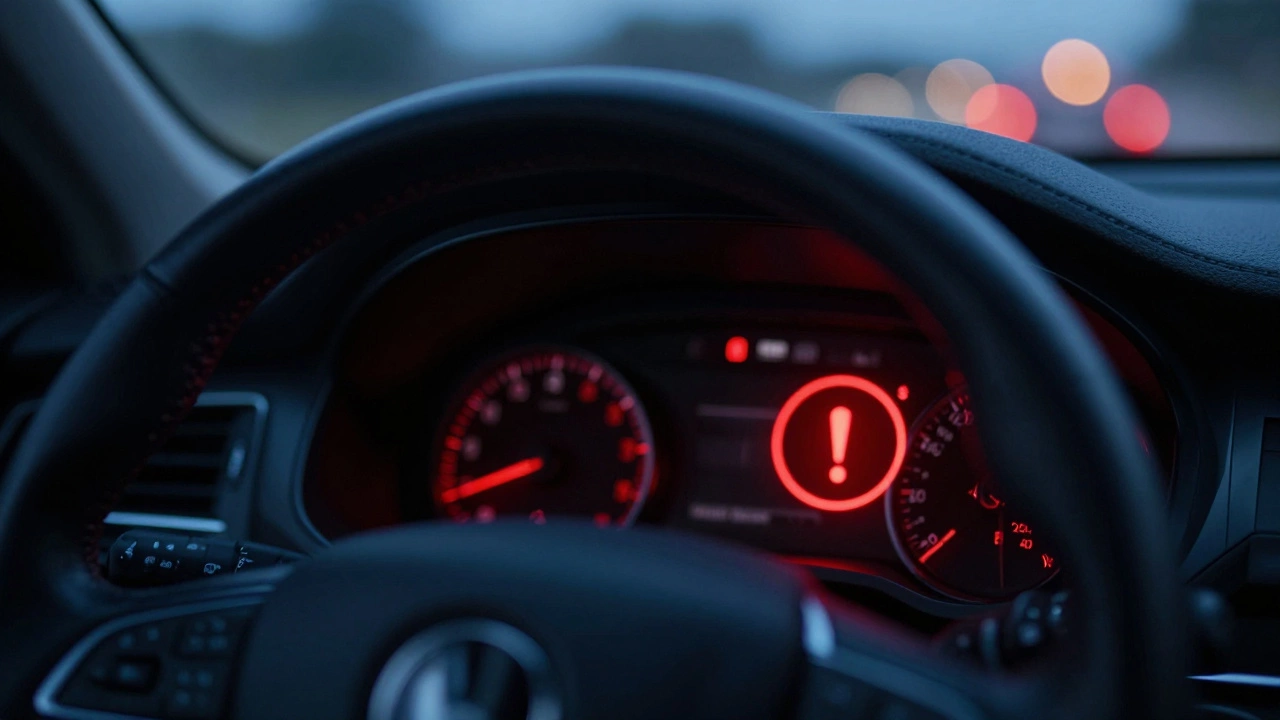
The primary way many contemporary vehicles monitor brake health is through brake wear sensors integrated into the braking system. These small electrical components are typically embedded within one or more brake pads. As the pad material wears down over time, the sensor wire eventually gets cut by the rotor surface. This breaks the circuit, triggering a warning light on your dashboard.
- Front vs. Rear Sensors: Many manufacturers only install sensors on the front brakes because they handle about 70% of the stopping force. This means your rear pads could be dangerously thin even if no light is on.
- Sensor Placement: Sensors are usually placed on the inner or outer pad, depending on the manufacturer’s design. They don’t measure thickness directly but detect when the pad reaches a predetermined minimum level.
- Dashboard Indicators: Look for symbols like "BRAKE," "BRK," or an exclamation mark inside a circle with parentheses. Consult your owner’s manual to distinguish between parking brake alerts and actual wear warnings.
If your car has this technology, you’ll get a clear digital signal. But here’s the catch: the sensor only triggers once the pad is already quite worn. It doesn’t give you advance notice-it tells you that replacement is imminent, not optional.
When Your Car Lacks Electronic Sensors
Not every vehicle comes with sophisticated electronics. Older models, budget-friendly cars, and some performance vehicles may lack dedicated brake wear sensors. In these cases, your car relies on passive mechanical indicators and auditory cues.
The most common indicator is a small metal tab called a wear indicator found in mechanical brake assemblies. When the brake pad wears down to a certain point, this tab scrapes against the rotor, creating a high-pitched squealing sound. This noise is intentional-it’s your car’s way of saying, "Check me now."
However, relying solely on sound has drawbacks. You might miss the squeal if you have loud music playing or live in a noisy urban environment. Additionally, some drivers mistake temporary noises from dust buildup or moisture for serious issues, leading them to ignore genuine warnings until it’s too late.
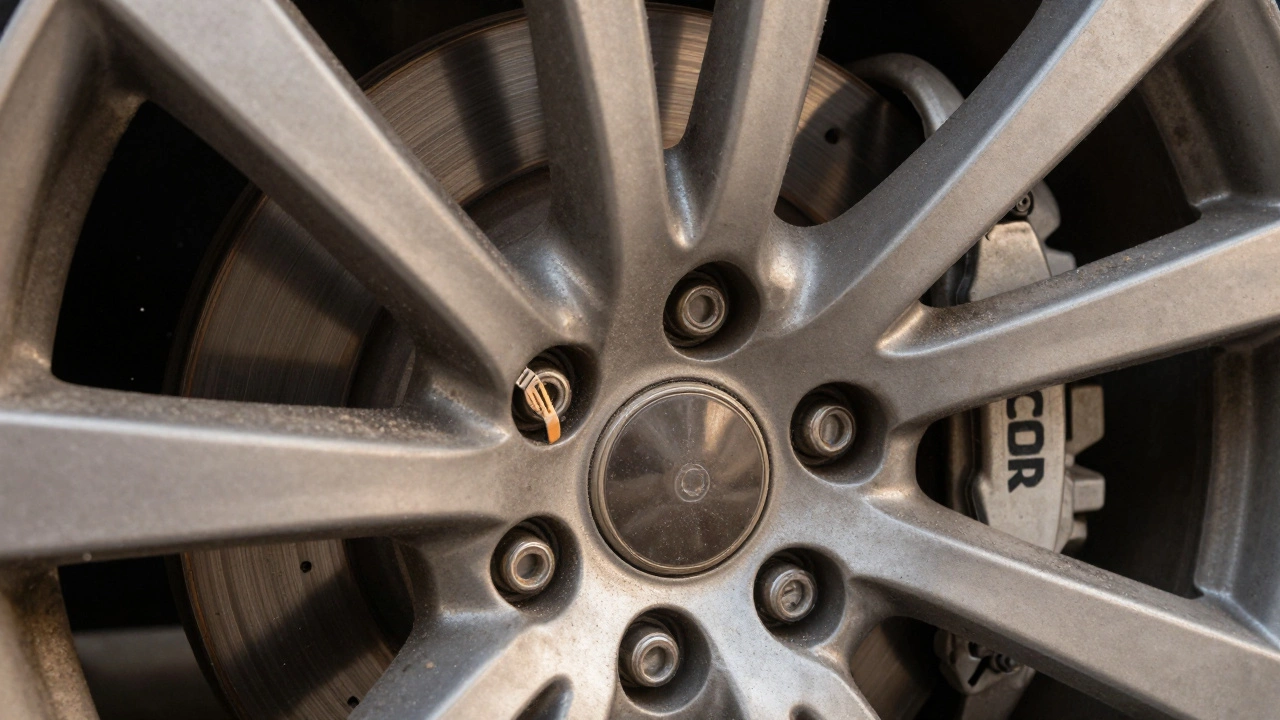
Physical Signs That Don’t Require Technology
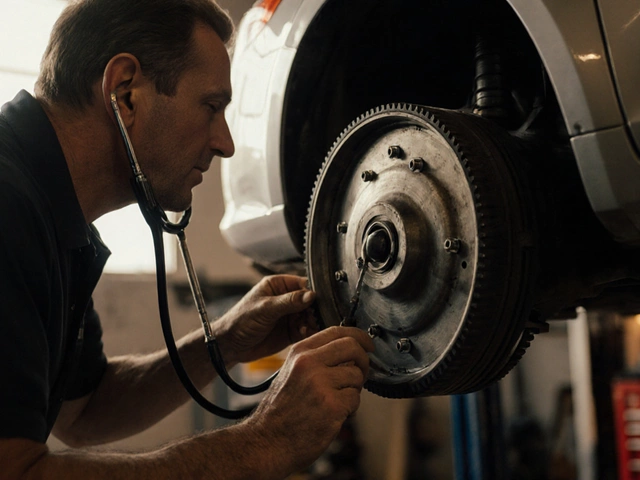
Beyond lights and sounds, there are tangible signs you can observe yourself. Regular visual inspections take less than five minutes and require minimal tools.
- Pad Thickness: Through the wheel spokes, look at the brake pad. New pads are typically 10-12mm thick. If you see less than 3mm of friction material remaining, it’s time to replace them immediately.
- Vibration in the Pedal: A pulsating sensation when braking often indicates warped rotors caused by uneven heat distribution-a common consequence of delayed pad replacement.
- Pulling to One Side: If your car veers left or right during braking, one side’s caliper may be sticking, or the pads on that side are significantly more worn than the other.
- Longer Stopping Distances: If you find yourself pressing harder to achieve the same deceleration, your brake efficiency is compromised.
These symptoms provide valuable context beyond simple wear levels. For instance, vibration suggests secondary damage that increases repair costs if ignored.
| Method | Reliability | Advance Notice | Cost Implication |
|---|---|---|---|
| Electronic Sensor Light | High | Low (Triggers near end) | Minimal if addressed promptly |
| Metal Squeal | Medium | Medium (Can persist for weeks) | Risk of rotor damage |
| Visual Inspection | Very High | High (Preventive) | Lowest long-term cost |
| Pedal Feel/Vibration | Variable | Low (Indicates existing issue) | Higher due to component replacement |
Common Misconceptions About Brake Warnings
Many drivers believe that if their car hasn’t warned them, their brakes are fine. This assumption is dangerous. Brake wear sensors fail occasionally, and as mentioned earlier, they’re rarely installed on all four wheels.
Another misconception involves the timing of replacements. Some people wait until the squealing becomes unbearable. By then, the metal backing plate of the pad has likely begun grinding against the rotor. Repairing a scored rotor adds hundreds of dollars to your bill compared to simply replacing the pads earlier.
Additionally, environmental factors affect brake life differently across regions. In Adelaide, where temperatures fluctuate and roads vary from coastal highways to hilly suburbs, brake usage patterns differ significantly from city-center driving. Stop-and-go traffic accelerates wear faster than steady highway cruising.
Proactive Maintenance Strategies
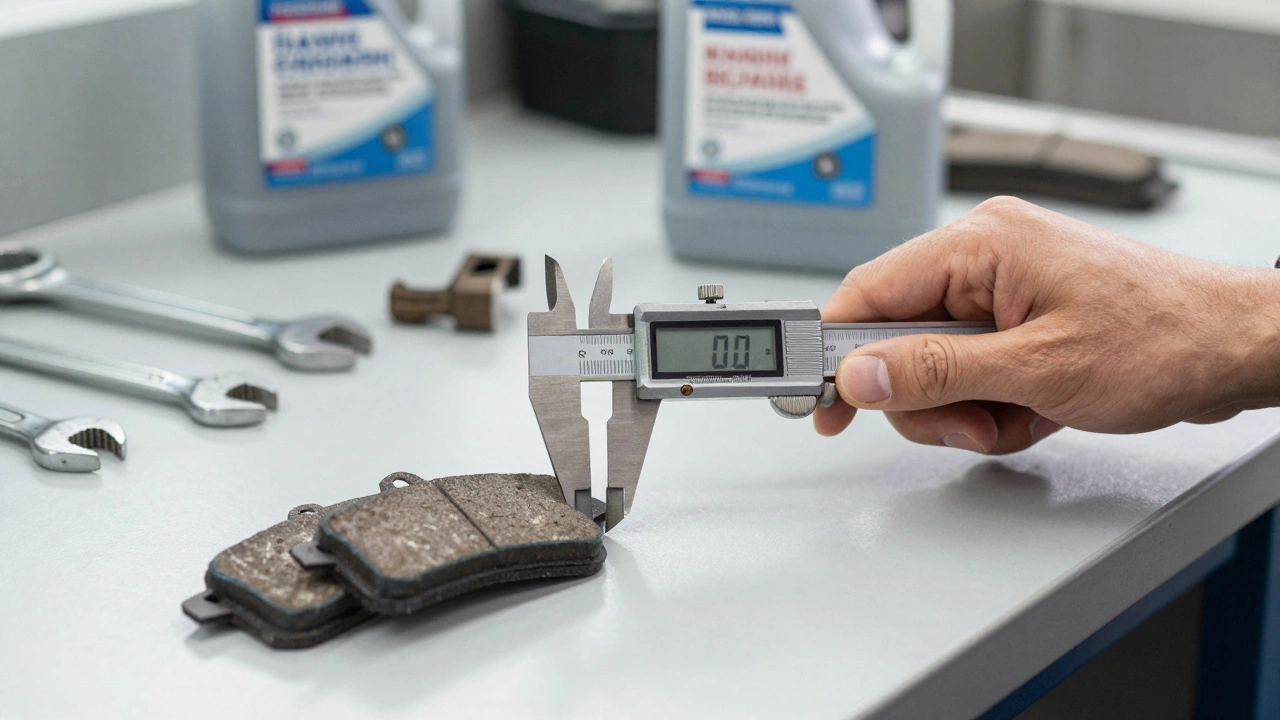
Rather than waiting for your car to shout for help, adopt a proactive approach. Schedule brake inspections every 12 months or 15,000 kilometers, whichever comes first. Mechanics can measure pad thickness accurately using calipers and assess rotor condition simultaneously.
Consider upgrading to ceramic brake pads if you frequently drive in dusty conditions or tow heavy loads. Ceramic compounds produce less dust, generate less noise, and offer consistent performance under varying temperatures compared to semi-metallic alternatives.
Keep records of previous brake services. Knowing when you last changed your pads helps predict future needs based on your driving habits. Aggressive drivers who brake hard and frequently will need replacements sooner than those who anticipate stops and coast gently.
What To Do When You Hear or See a Warning
If your dashboard lights up or you hear unusual noises, act quickly but calmly. Avoid panic braking, which generates excessive heat and worsens potential damage. Reduce speed gradually and pull over safely to inspect the situation if possible.
Do not ignore intermittent squeals. While sometimes harmless, persistent noises warrant professional evaluation. Similarly, never disregard a brake warning light-even if it seems to come and go. Intermittent faults often precede complete failure.
Finally, remember that brake maintenance isn’t just about replacing parts. Fluid quality matters too. Old brake fluid absorbs moisture over time, reducing boiling points and increasing corrosion risk inside lines. Flush and replace brake fluid every two years regardless of mileage.
How often should I check my brake pads?
Inspect your brake pads at least once a year or every 15,000 kilometers. More frequent checks are advisable if you drive aggressively, carry heavy loads, or operate in mountainous terrain.
Is it safe to drive with worn brake pads?
Driving with severely worn brake pads is unsafe. Thin pads reduce stopping power, increase stopping distances, and risk damaging expensive rotors through metal-on-metal contact.
Why does my car squeak when I lightly touch the brakes?
Light squeaking can result from dust accumulation, humidity affecting pad surfaces, or early-stage wear indicators activating. Persistent squealing under normal braking conditions usually signals significant pad wear requiring immediate attention.
Can I replace brake pads myself?
Yes, experienced DIYers can replace brake pads using basic tools. However, improper installation can lead to brake drag, uneven wear, or reduced effectiveness. Professional servicing ensures correct torque specifications and bedding-in procedures.
Does weather affect brake pad lifespan?
Weather impacts brake longevity indirectly. Wet conditions cause rust buildup on rotors, leading to initial grabbing sensations. Extreme heat reduces fluid efficiency, while cold makes materials brittle. Consistent maintenance mitigates these effects effectively.