Brake Maintenance: Signs, Risks, and What You Really Need to Know
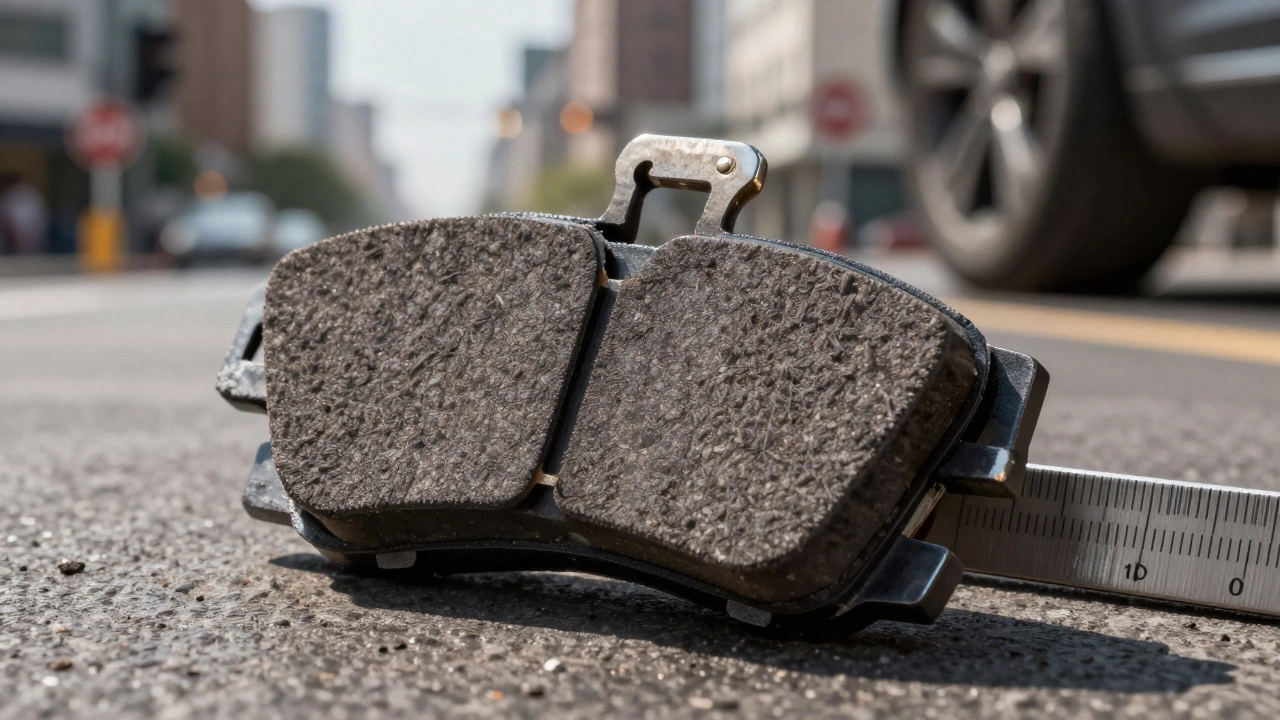
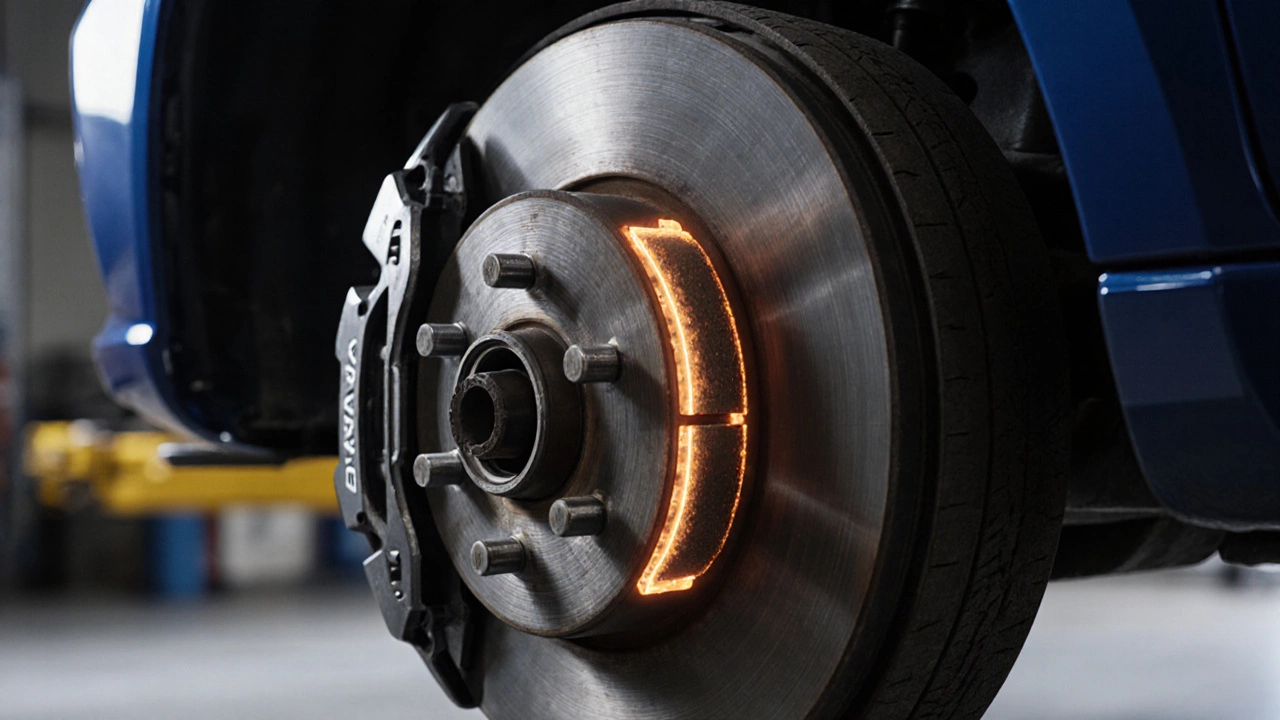
When it comes to your car’s safety, brake maintenance, the routine inspection and servicing of a vehicle’s braking components to ensure safe stopping power. It's not a suggestion—it's a necessity. Skipping it doesn’t just mean longer stopping distances; it means risking your life and others’. Many people think brake maintenance is just about swapping out worn pads, but that’s like changing your tires and ignoring the rims. The whole system works together: brake pads, friction material that presses against the rotor to slow the vehicle, brake rotors, metal discs that rotate with the wheels and are gripped by the pads, brake fluid, hydraulic liquid that transfers force from the pedal to the calipers, and even the brake lines and calipers all need attention. If one part fails, the whole system weakens.
Most drivers don’t realize brake pads wear unevenly. A squeal isn’t always the first warning—sometimes it’s a vibration when you brake, or the car pulling to one side. That’s not a wheel alignment issue; it’s often a stuck caliper or warped rotor. And brake fluid? It absorbs moisture over time, which lowers its boiling point. When that happens under heavy braking, your pedal goes soft—and you lose stopping power. Mechanics check fluid every 2 years, but most drivers wait until something breaks. Don’t be that person. Replacing pads alone, without checking the rotors, can lead to premature wear, noise, and even rotor damage. And if your rotors are thin or cracked, new pads won’t fix it—they’ll just wear out faster.
You don’t need to be a mechanic to spot trouble. Listen for grinding—that’s metal on metal. Feel for pulsing in the pedal. Watch for warning lights. Check your brake fluid level once a month. If it’s low, don’t just top it off—find the leak. A brake system isn’t something you fix when it’s convenient. It’s something you maintain before it fails. Below, you’ll find real-world guides from people who’ve been there: how to tell if your brakes are done, why replacing just the pads can backfire, what noises actually mean, and how to avoid costly mistakes. These aren’t theory pieces—they’re fixes people used to get their cars back on the road safely.