Brake Repair: Signs, Costs, and What You Need to Know
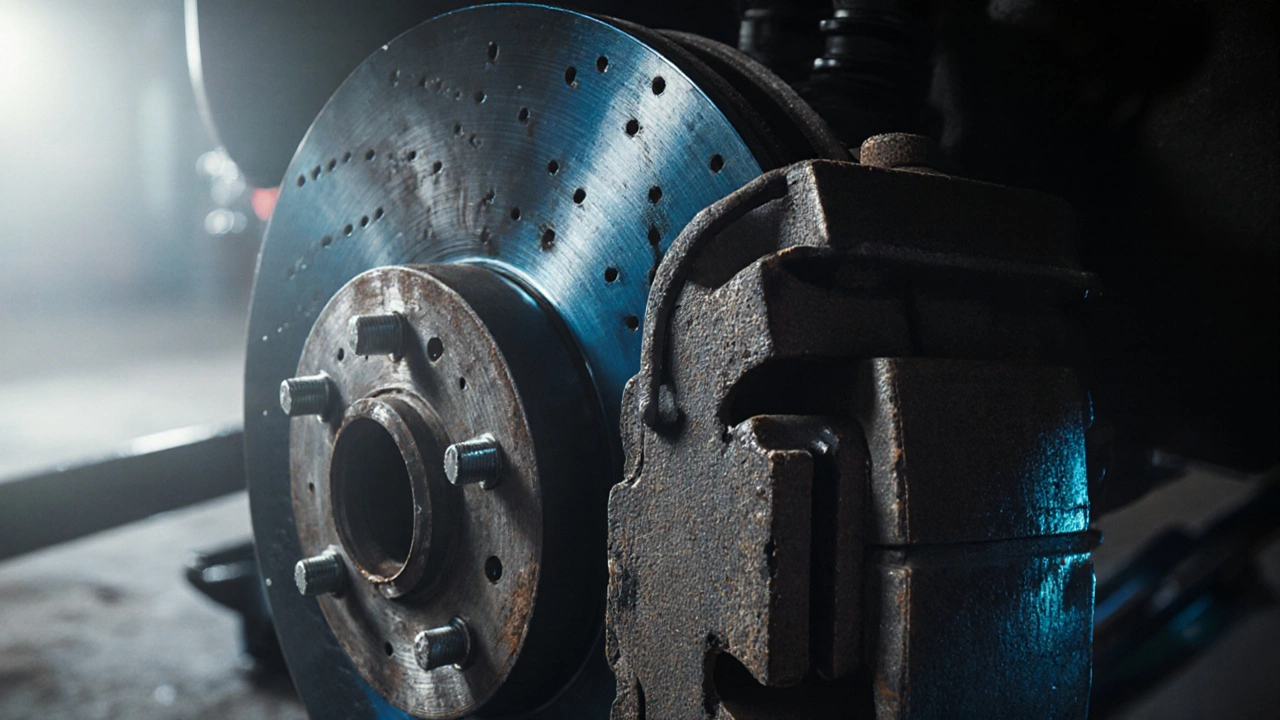
When your brake repair, the process of fixing or replacing worn or damaged components in a vehicle’s braking system to restore stopping power and safety. Also known as brake service, it’s not just about replacing pads—it’s about keeping you alive on the road. Most people wait until they hear a screech or feel the car pulling to one side. But by then, you might already be damaging the brake rotors, the metal discs that brake pads clamp down on to slow the vehicle. Rotors aren’t cheap to replace, and they wear out faster if you ignore early warning signs.
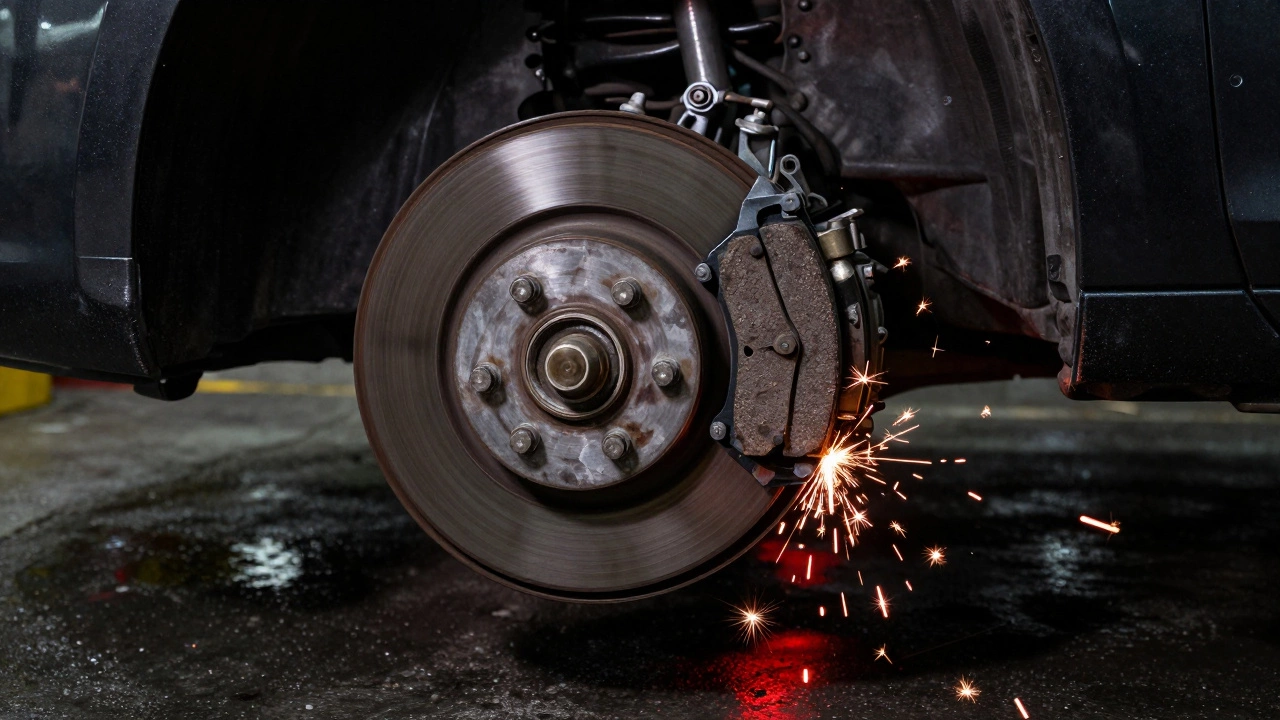
Brake repair isn’t one-size-fits-all. It starts with the brake pads, the friction material that presses against the rotors to stop the car. They usually last between 30,000 and 70,000 miles, but if you drive in stop-and-go traffic or haul heavy loads, they can go sooner. You’ll know they’re worn if you hear a high-pitched squeal—most pads have metal wear indicators that make that sound on purpose. Grinding? That’s metal-on-metal. Your pads are gone, and now your rotors are getting scratched. That’s not a minor fix anymore.
Brake noise isn’t always the same. A light squeak in damp weather? Normal. A rhythmic thump when you brake? Could be warped rotors. A spongy pedal? Might be air in the brake lines or a leak. These aren’t just annoying—they’re red flags. And don’t forget the brake fluid, the hydraulic fluid that transfers force from the pedal to the calipers. It absorbs moisture over time, which lowers its boiling point. If it’s old, your brakes can fade under heavy use, like when driving down a mountain. Most mechanics recommend flushing it every two years, but few drivers do it until something goes wrong.
Brake repair isn’t just about parts—it’s about timing. Waiting too long turns a $150 pad replacement into a $600 rotor and pad job. And if you keep driving with bad brakes, you risk losing control. It’s not worth the gamble. The posts below give you the real signs to watch for, how to check your own brakes, what tools you actually need, and why some "cheap" fixes end up costing more. You’ll find clear, no-fluff advice on when to act, what to replace, and how to avoid being upsold. This isn’t theory. It’s what mechanics see every day—and what you need to know before your next stop.