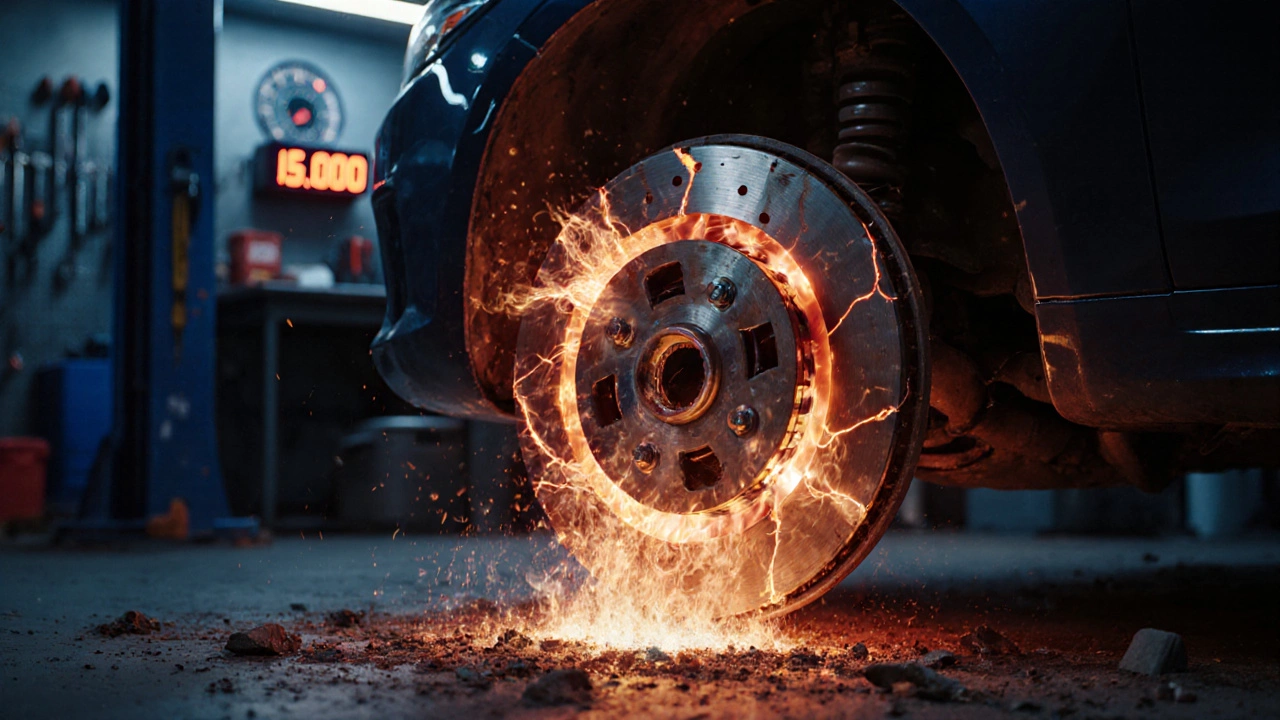
Clutch Burn Out: Signs, Causes, and How to Prevent It
When your clutch burn out, a condition where the clutch disc overheats and loses its grip due to excessive slipping. Also known as clutch failure, it’s not just a wear-and-tear issue—it’s often caused by how you drive, not just how old the part is. This isn’t something that happens overnight. It builds up over time from habits like riding the clutch, holding the car on hills with the pedal halfway down, or launching too hard in a manual transmission. If you’ve noticed your car hesitating when you press the gas, or the engine revs up without the car speeding up, you’re not imagining it. That’s the clutch slipping—and if ignored, it turns into a full burn out.
A clutch disc, the friction component that connects the engine to the transmission is designed to handle heat, but only up to a point. When you constantly let the clutch slip—like when you’re stuck in traffic or trying to crawl up a steep hill without fully engaging—it generates heat faster than it can dissipate. Over time, the material on the disc glazes over, becomes smooth, and loses traction. That’s when you smell that burning odor, like hot metal or burnt toast. A flywheel, the heavy metal plate connected to the engine that the clutch presses against can also get damaged in the process. If the flywheel is warped or scored, replacing just the clutch won’t fix the problem. You’ll need both.
What makes clutch burn out worse? Using a stock clutch in a modified car. If you’ve added a tune, a turbo, or even just a better exhaust, your engine makes more torque. That extra power puts more stress on the clutch. A stage 1 clutch, a performance upgrade designed to handle higher torque while still being drivable daily is often the smart fix for these cases. But even then, bad driving habits will kill it faster. And if you’re driving an older car with a worn-out throw-out bearing or misadjusted cable, the clutch doesn’t fully release or engage—causing unnecessary friction and heat.
Don’t wait for the clutch to fail completely. If you’re hearing grinding when shifting, feeling vibrations in the pedal, or noticing the car doesn’t respond like it used to, get it checked. Replacing a clutch isn’t cheap, but it’s cheaper than replacing a damaged flywheel, pressure plate, or transmission. Most mechanics will check the clutch condition when you bring in the car for other repairs—like brake or exhaust work—so don’t ignore those chances. And if you drive a manual, learn how to use the clutch properly: no partial pressure, no coasting in gear, no ‘rev-holding’ on hills. Drive it like you mean it, but don’t abuse it.
Below, you’ll find real-world guides on diagnosing clutch problems, spotting early warning signs, understanding what parts need replacement, and how to avoid the same mistakes that lead to burn out. Whether you’re a daily driver or someone who likes to tweak their car, this collection gives you the facts—not the fluff.