Clutch Kit: What It Is, How It Fails, and What to Do Next
When you press the pedal in a manual car, you’re not just changing gears—you’re engaging the clutch kit, a set of components that connects the engine to the transmission, allowing smooth gear shifts and power transfer. Also known as a clutch assembly, it’s one of the few parts in your car that wears out from normal use—and if you ignore the signs, it can leave you stranded with a much bigger bill.
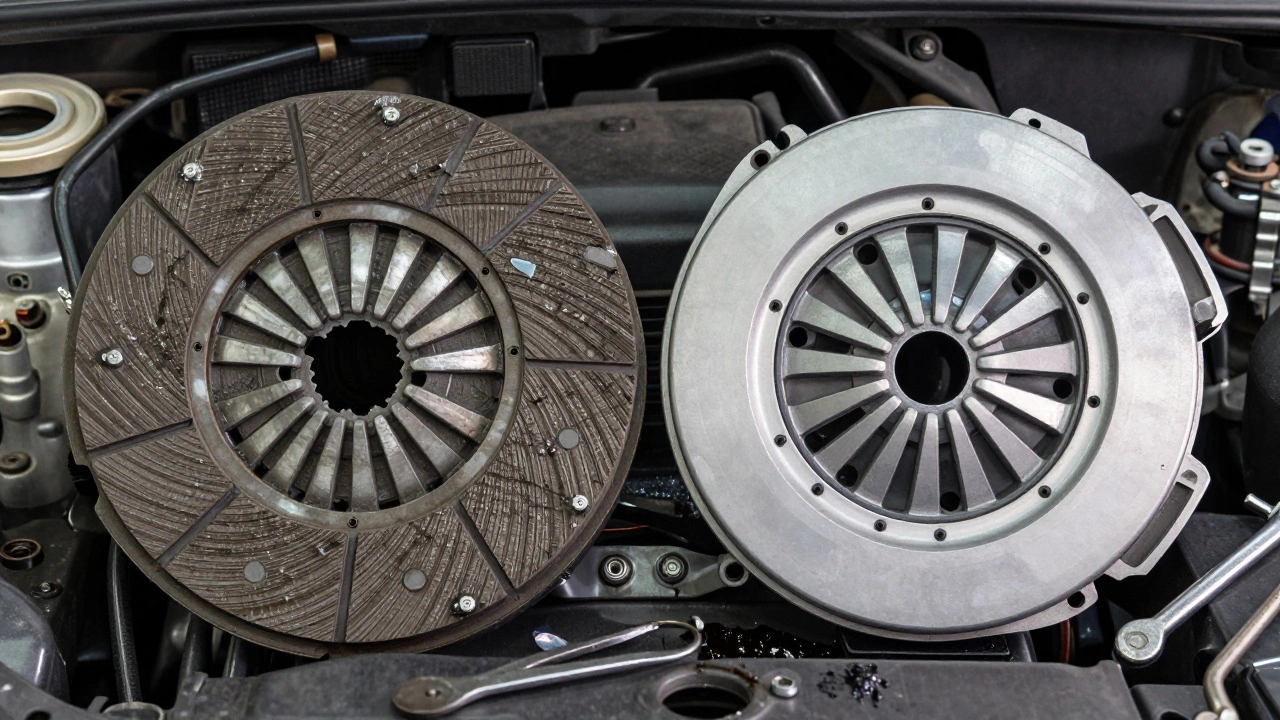
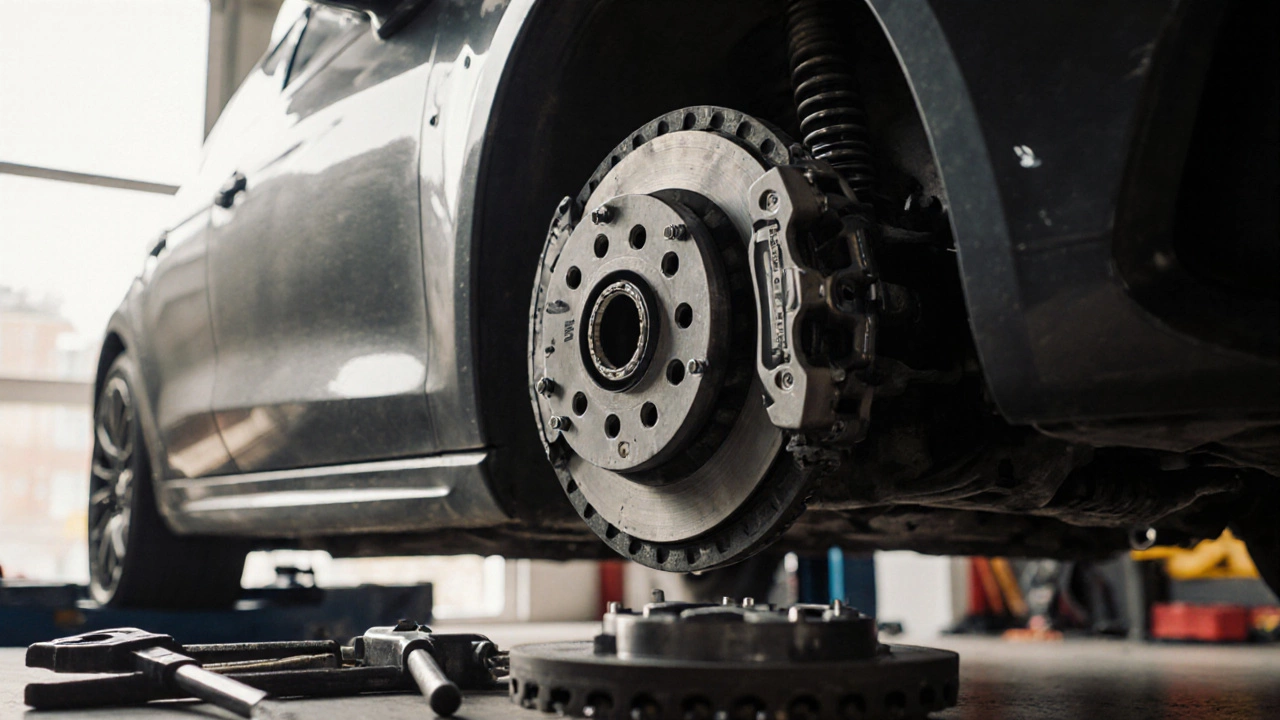
A clutch kit isn’t just one part. It includes the clutch disc, pressure plate, release bearing, and sometimes the pilot bearing. But here’s what most people miss: when the clutch goes, the flywheel, the heavy metal disc bolted to the engine crankshaft that stores rotational energy and smooths out power delivery. Also known as a engine flywheel, it often gets scored, warped, or cracked at the same time. Replacing just the clutch without checking the flywheel is like putting new tires on a bent rim—it won’t last. And if your clutch is burning out faster than expected, it’s not just about driving style. Aggressive launches, riding the pedal, or even a misadjusted cable can kill it in under 20,000 miles.
Clutch failure doesn’t always scream for attention. Sometimes it just whispers: a slight delay when shifting, a faint burning smell after stop-and-go traffic, or a pedal that feels softer than it used to. But when you start hearing grinding or clunking noises—especially when the car is in neutral—that’s the release bearing, the component that pushes against the pressure plate to disengage the clutch. Also known as a throw-out bearing, it’s often the first to go when the clutch is stressed failing. And if your car slips out of gear under load, or you can’t get into first without grinding, you’re not just being clumsy—you’re fighting a worn-out clutch kit.
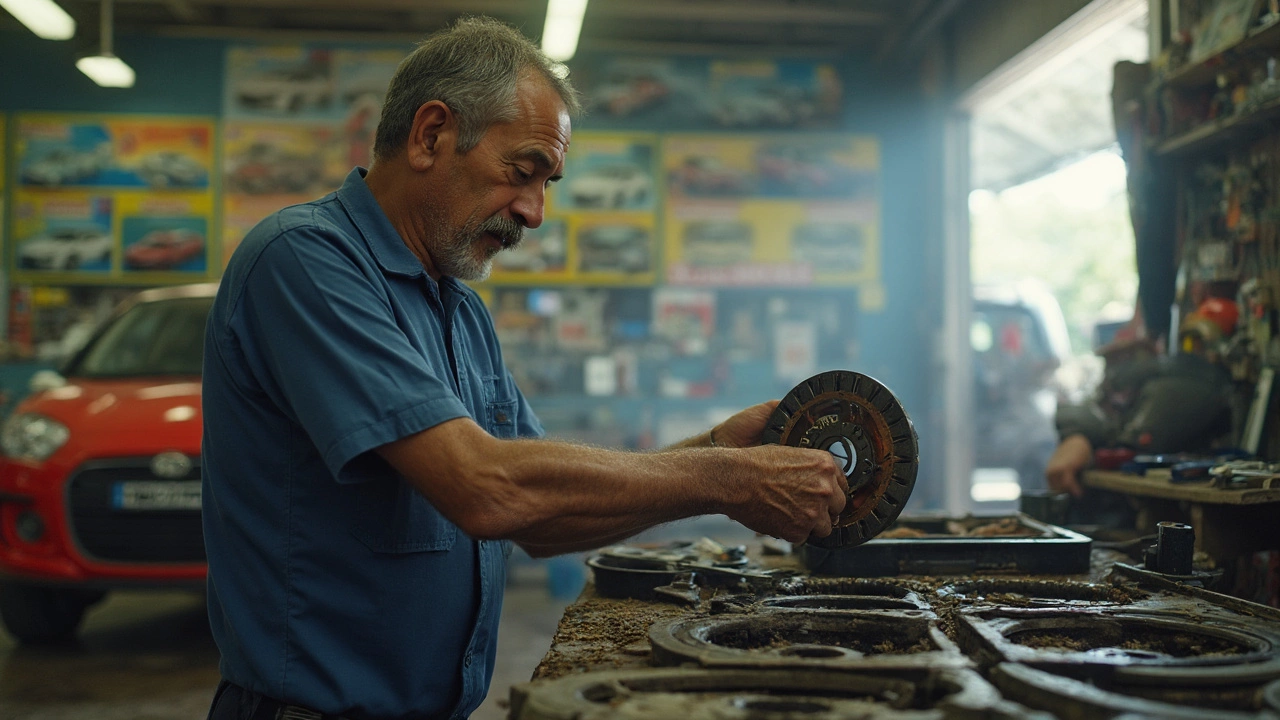
You’ll find posts here that break down exactly how fast a clutch can die, what real drivers do to shorten its life, and how to spot the early signs before it’s too late. You’ll also see how a bad flywheel can mimic clutch problems, why some people replace the entire kit even if only one part seems broken, and what tools you actually need if you’re doing it yourself. No fluff. No theory. Just what works on the road, in the garage, and in your wallet.