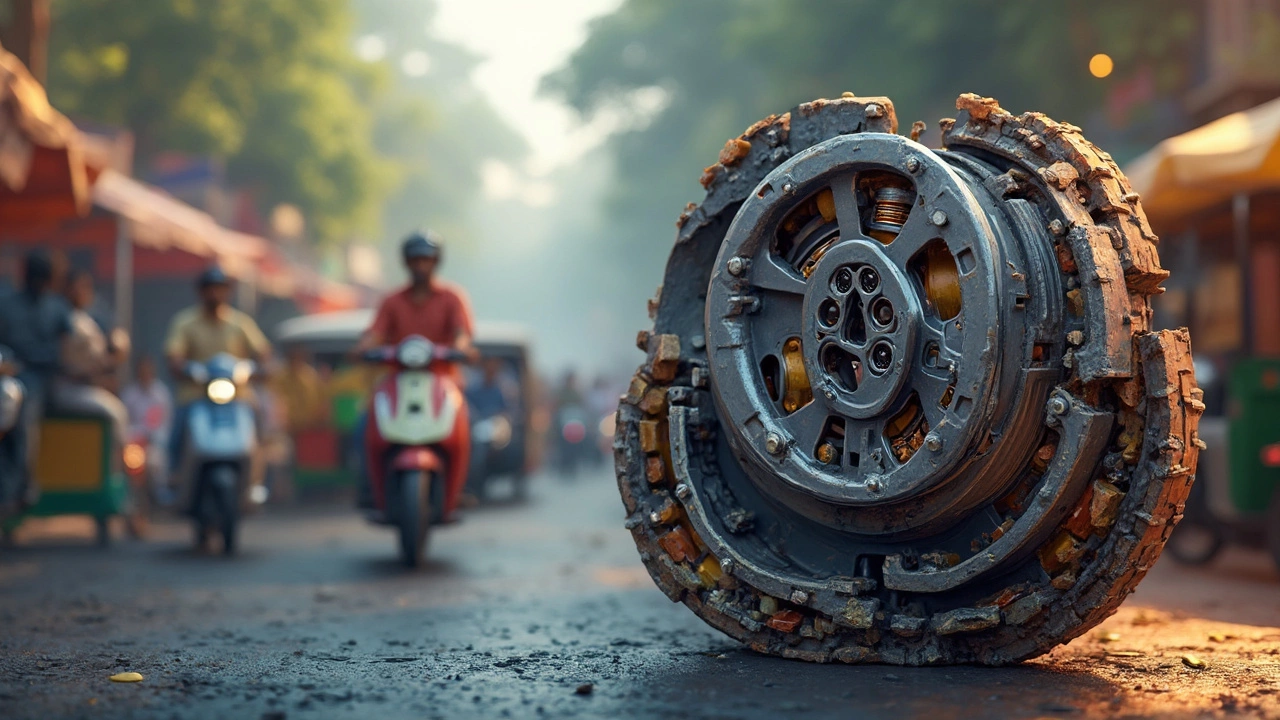
Clutch Lifespan: How Long Does It Really Last and What Kills It?
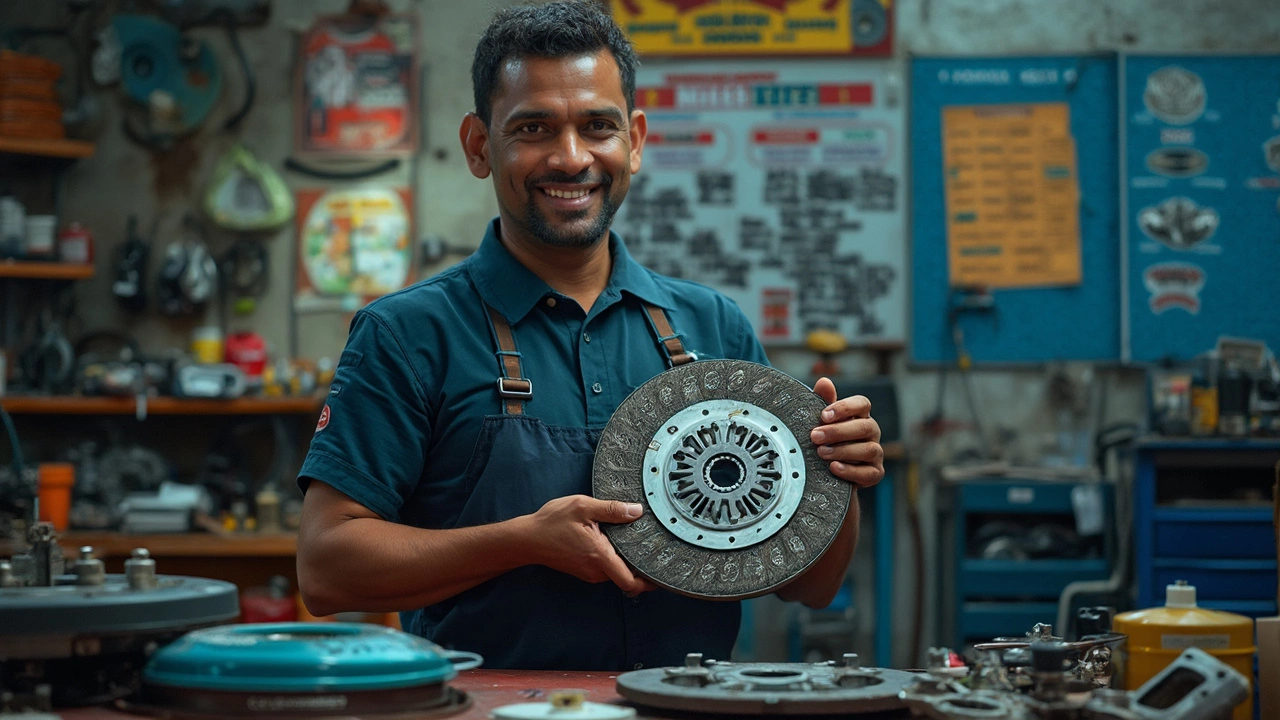
When you press the clutch, a mechanical component that connects and disconnects engine power from the transmission. Also known as a friction disc assembly, it’s one of the few parts in your car that you actively control—and one of the first to wear out if you treat it wrong. Most clutches last between 50,000 and 100,000 miles, but that’s not a guarantee. Some fail at 30,000 miles. Others last over 150,000. The difference isn’t luck—it’s how you drive.
What kills a clutch faster than anything? riding the clutch, the habit of keeping your foot lightly on the pedal while driving. It doesn’t matter if you’re in a sedan or a pickup—this habit creates constant friction and heat, burning through the friction material. Then there’s power launches, slamming the gas from a stop, especially in high-torque vehicles. Every hard launch is like slamming a hammer on the clutch. Even frequent stop-and-go traffic wears it down, especially if you’re holding the car on a hill with the clutch instead of the brake.
Signs your clutch is fading aren’t always loud. You might notice the pedal feels higher than before, or the car doesn’t accelerate when you press the gas—like the engine is revving but the car isn’t moving. You might smell burning, like overheated brakes, but it’s the clutch disc cooking. Or the car slips out of gear under load, especially when climbing. These aren’t just inconveniences—they’re warnings that your clutch is near the end. And if you ignore them, you risk damaging the flywheel or pressure plate, which can double your repair cost.
Replacing a clutch isn’t just about swapping parts. It’s about understanding why it failed. Did you use it like a brake? Did you ignore the early signs? Did you install a cheap aftermarket clutch meant for racing, then drive it in city traffic? The right clutch for your car depends on how you use it. A daily driver doesn’t need a race-grade clutch. But if you’ve added a tune or upgraded your engine, your stock clutch won’t hold up.
Below, you’ll find real-world guides on what causes clutch failure, how to spot the symptoms before it leaves you stranded, and what to look for when replacing it. Whether you’re trying to stretch your clutch life or planning a swap, the posts here give you the facts—not the marketing.