If you drive a manual transmission car, your clutch kit is one of the most important parts you rarely think about-until it fails. And when it does, you’re left stranded, possibly with a big repair bill. So how do you know when it’s time to replace your clutch kit before it quits completely? The answer isn’t just mileage. It’s about how your car behaves, what you feel under your foot, and even the sounds it makes.
How a Clutch Kit Works
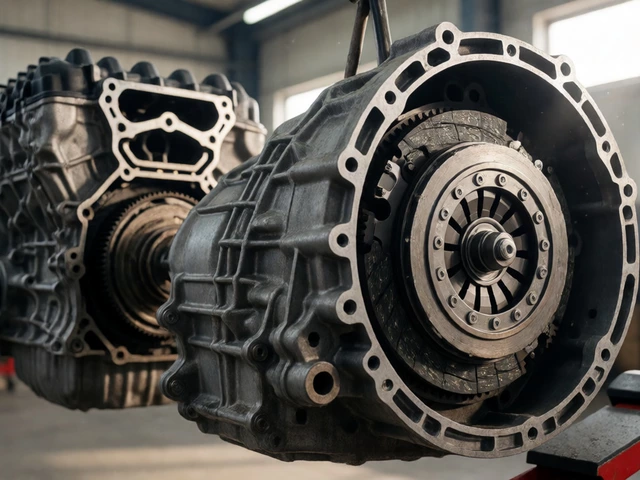
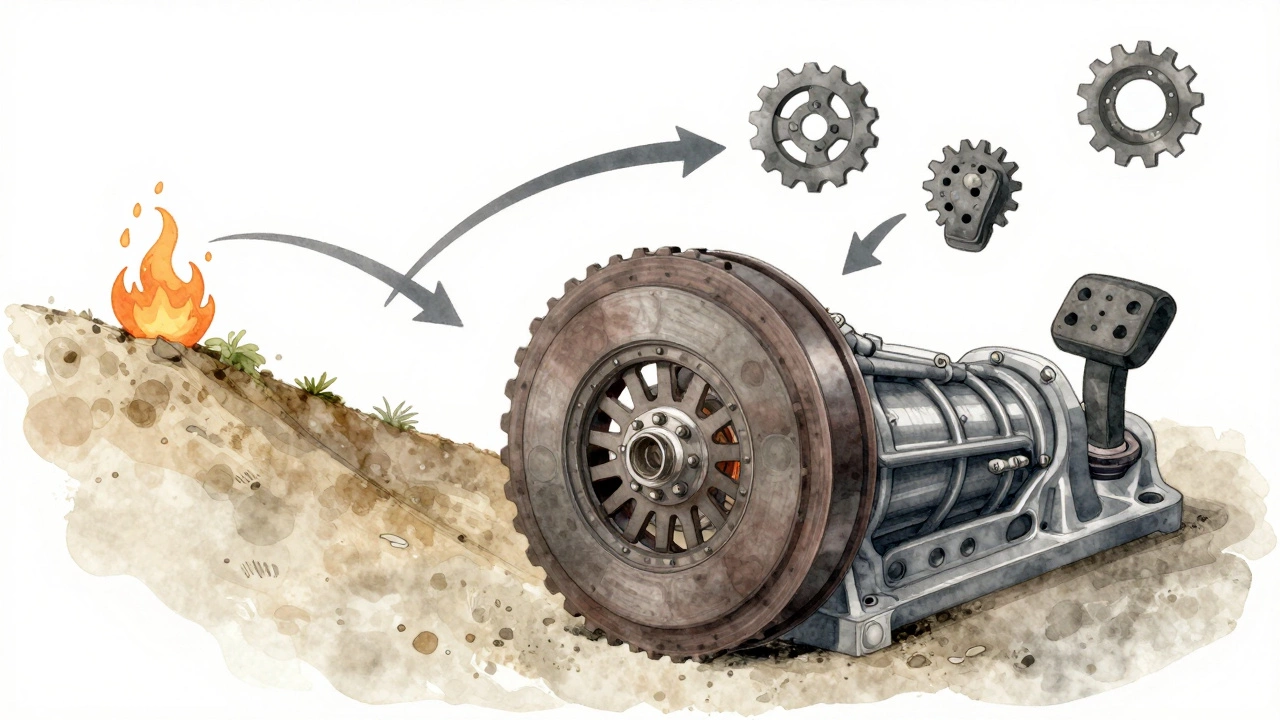
Your clutch kit connects the engine to the transmission. When you press the pedal, it disengages the engine from the wheels so you can shift gears. When you let go, it re-engages smoothly. A clutch kit has three main parts: the clutch disc, the pressure plate, and the release bearing. Over time, the friction material on the disc wears down. The pressure plate loses its spring tension. The bearing gets noisy. All of this adds up to a clutch that doesn’t work like it used to.
Typical Lifespan: What You Can Expect
Most clutch kits last between 60,000 and 100,000 kilometers. That’s the general range for cars driven under normal conditions in Australia. But this number isn’t set in stone. If you live in Adelaide and do a lot of stop-and-go traffic in the city, or you tow trailers, haul heavy loads, or ride the clutch while waiting at lights, your clutch could wear out in as little as 40,000 km. On the flip side, a gentle driver in open highways might get 120,000 km out of it.
There’s no magic number. What matters is how the clutch performs-not how many kilometers are on the odometer.
Signs You Need a New Clutch Kit
- Slipping clutch: You press the accelerator and the engine revs up, but the car doesn’t speed up like it should. This happens most noticeably when climbing hills or accelerating hard. It’s like the engine is working, but the power isn’t reaching the wheels.
- Hard or spongy pedal: The clutch pedal feels either too stiff or too soft. If you have to press it all the way to the floor to get a gear, or if it feels like it’s not engaging until the very top of the pedal travel, something’s wrong.
- Grinding noises: If you hear grinding when shifting, especially into first or reverse, the clutch isn’t fully disengaging. That means the disc is still spinning slightly when it shouldn’t be.
- Burning smell: A sharp, acrid smell like burning rubber or hot metal coming from under the car is a red flag. That’s the friction material overheating and breaking down.
- Clutch pedal feels different: You used to need to press halfway down to shift. Now you have to press almost to the floor. Or the pedal feels bouncy. Any change in how the pedal feels should raise an eyebrow.
- Difficulty shifting gears: Gears feel like they’re resisting you. You have to force them in, or the car jumps when you engage. This isn’t just a gearbox issue-it’s often the clutch not fully releasing.
These signs don’t always show up all at once. Sometimes you’ll notice just one. But if you’re seeing two or more, your clutch is on its last legs.

What Causes Premature Clutch Wear?
Clutches don’t just wear out from age. A lot of it comes down to driving habits.
- Resting your foot on the pedal: Even a light touch keeps the release bearing engaged. That constant pressure wears it out faster.
- Starting in second gear: You might think it saves fuel, but it puts extra strain on the clutch disc. Stick to first gear unless you’re on a steep hill.
- Aggressive launches: Flooring it from a stop, especially in wet conditions, causes the clutch to slip and overheat.
- Towing or heavy loads: If you regularly tow a boat, caravan, or trailer, your clutch is under constant stress. It’s not designed for that kind of load without extra cooling and durability.
- Stop-and-go traffic: Frequent clutch use in city driving-like waiting at traffic lights with the clutch half-engaged-wears it out quickly.
If you do any of these regularly, your clutch won’t last as long as the textbook numbers suggest.
How Mechanics Diagnose a Failing Clutch
A good mechanic won’t just guess. They’ll do a few simple tests:
- Clutch slip test: They’ll put the car in third gear at idle, then slowly release the clutch while giving a bit of throttle. If the engine doesn’t stall and the car doesn’t move, the clutch is slipping.
- Pedal height and free play check: They measure how much pedal movement happens before resistance starts. Too much or too little means adjustment is needed-or the system is worn.
- Inspection through the inspection port: Some cars have a small access panel where they can visually check the clutch disc thickness. If it’s worn below the minimum mark, replacement is needed.
- Listen for bearing noise: With the engine off and the clutch pedal pressed, they’ll listen for grinding or whining. A noisy bearing means the release bearing is failing.
Don’t let a shop just tell you it’s the clutch without testing. A bad throw-out bearing or hydraulic issue can mimic clutch failure. Proper diagnosis saves you money.
What Happens If You Wait Too Long?
Waiting until the clutch completely fails isn’t just inconvenient-it’s expensive.
If the clutch disc shreds completely, metal fragments can fly into the transmission. That can damage the flywheel, the input shaft, or even the gear teeth. Replacing a transmission is two to three times the cost of a clutch job.
And if the pressure plate springs break, the clutch can jam. That means the engine won’t disengage from the wheels. You might not be able to shift at all-or worse, the car could lurch forward unexpectedly.
Don’t wait for total failure. A failing clutch is a warning sign, not a countdown to disaster.
When to Replace: Pro Tips
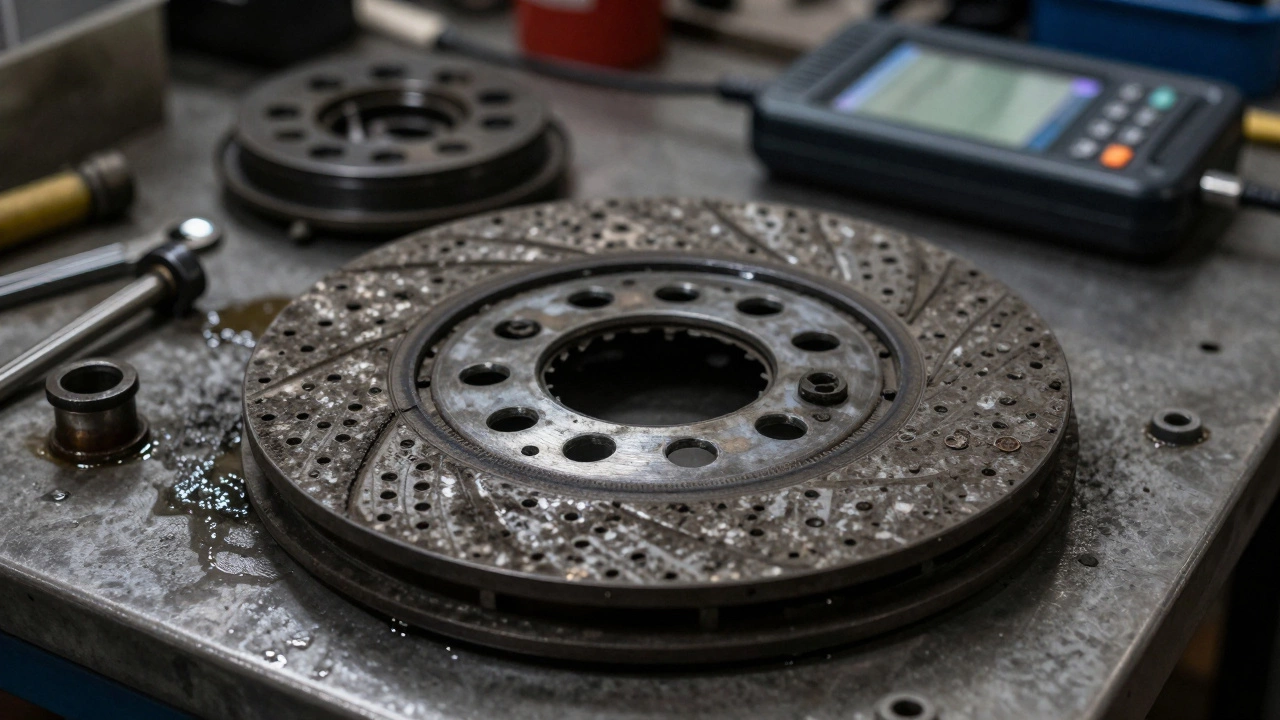
- Replace the flywheel too: If your clutch is worn out, the flywheel is likely scored or warped. Replacing both at once saves labor costs. Most mechanics recommend resurfacing or replacing the flywheel when doing a clutch job.
- Use OEM or quality aftermarket parts: Cheap clutch kits from unknown brands fail faster. Stick to brands like Sachs, Valeo, or LUK. They’re made to the same specs as the original.
- Check the hydraulic system: If your car uses a hydraulic clutch, inspect the master and slave cylinders. A leaky seal can cause the same symptoms as a worn clutch.
- Don’t skimp on labor: Clutch replacement takes 4-6 hours. A reputable shop will have the right tools and experience. Don’t go with the cheapest quote.
What About Electric and Hybrid Cars?
If you drive an electric or hybrid vehicle, you don’t have a clutch. These cars use a single-speed transmission or a torque converter. So if you’re wondering about clutch replacement, you’re probably driving a manual or semi-automatic car. That’s good news-no clutch means one less thing to worry about.
Final Advice: Listen to Your Car
Your car talks to you. If the clutch feels different, if the pedal feels off, if the engine revs but the car doesn’t respond-don’t ignore it. Clutch failure doesn’t happen overnight. It creeps in slowly. The sooner you catch it, the less it costs to fix.
Don’t wait for the smell, the grinding, or the stall. If you’re past 60,000 km and notice any of the signs above, get it checked. A quick inspection at a trusted mechanic can save you hundreds-or even thousands-down the road.
How long does a clutch kit last in Australia?
Most clutch kits last between 60,000 and 100,000 kilometers under normal driving conditions. In cities like Adelaide with heavy traffic, aggressive driving, or towing, life expectancy can drop to 40,000-60,000 km. Highway driving and gentle use can extend it to 120,000 km or more.
Can I drive with a slipping clutch?
You can drive short distances with a slipping clutch, but it’s not safe or smart. The clutch will keep getting worse, and you risk overheating the transmission or damaging the flywheel. It also makes acceleration unpredictable, which is dangerous in traffic. Get it fixed as soon as possible.
Do I need to replace the flywheel when replacing the clutch?
Yes, in most cases. The flywheel gets worn and scored by the clutch disc over time. If you install a new clutch on an old, damaged flywheel, the new clutch will wear out quickly. Most mechanics recommend resurfacing or replacing the flywheel during a clutch job to ensure long-term performance.
Why does my clutch smell like burning?
A burning smell from the clutch usually means the friction material on the clutch disc is overheating and breaking down. This happens when the clutch slips repeatedly-often from riding the pedal, towing heavy loads, or aggressive driving. It’s a clear sign the clutch is failing and needs immediate attention.
How much does it cost to replace a clutch kit in Australia?
Clutch kit replacement in Australia typically costs between $1,200 and $2,200, depending on the car model. Labor makes up most of the cost since it’s a time-intensive job. Parts alone can range from $300 to $800. High-performance or luxury vehicles cost more. Always get quotes that include flywheel inspection or replacement.