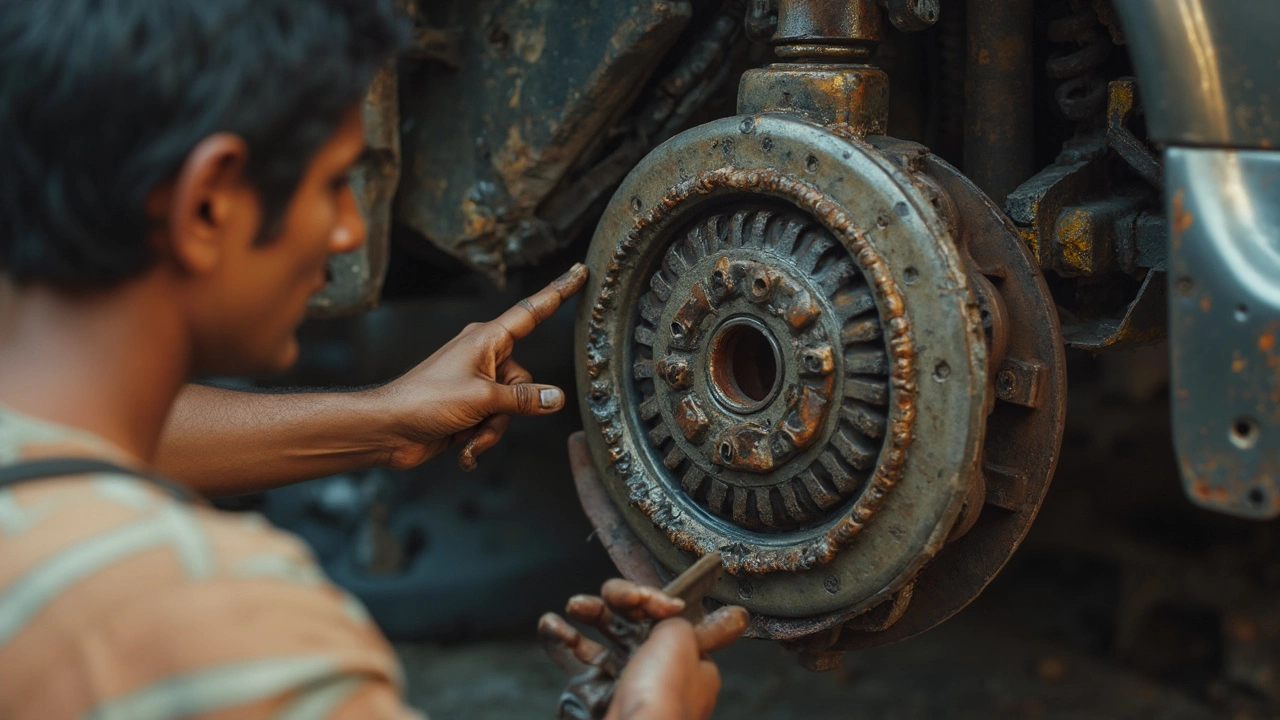
Clutch Slippage: Signs, Causes, and How to Fix It
When your clutch slippage, a condition where the clutch fails to fully engage, causing the engine to rev without matching acceleration. Also known as clutch failure, it’s one of the most common—and most avoidable—problems in manual transmission cars. You’ll notice it when you press the gas and the engine revs higher but the car doesn’t speed up. It feels like driving in mud with the pedal floored. This isn’t just annoying—it’s a warning that your clutch is wearing out fast, and if ignored, it can leave you stranded or force a much more expensive repair.
Clutch slippage doesn’t happen overnight. It’s usually caused by clutch burn out, the result of excessive heat and friction from improper driving habits like riding the clutch or launching too hard. Drivers who frequently start on hills without using the handbrake, or who downshift too aggressively, wear out the friction material quicker. A clutch can fail in as little as 20,000 miles under harsh use, while careful drivers might get over 100,000. The manual transmission, the system that connects the engine to the wheels through gears and a clutch plate. relies on this clutch plate gripping tightly. When it’s worn, glazed, or contaminated with oil, it can’t hold the load. That’s when you hear the engine scream but feel no push.
Other signs? A burning smell like overheated brakes, difficulty shifting gears, or the car losing power uphill. Sometimes, the clutch pedal feels softer or goes further to the floor before engaging. These aren’t just symptoms—they’re red flags. Ignoring them risks damaging the flywheel or pressure plate, which can double your repair cost. Replacing just the clutch disc might fix it, but if the flywheel is scored or warped, you’ll need to replace that too. And if oil is leaking onto the clutch from a worn seal, that leak has to be fixed before the new clutch fails again.
There’s no magic fix. No additive, no tweak, no quick adjustment will restore a worn clutch. The only real solution is replacement. But catching it early means you can plan the repair, avoid a breakdown, and maybe even save money by doing it yourself. Many of the posts below walk you through how to spot the early signs, what tools you need, and how to tell if it’s truly the clutch—or just a misadjusted cable or hydraulic issue. You’ll also find guides on choosing the right clutch kit—whether you need a stock replacement or a stage 1 upgrade for light modifications. No fluff. Just what works.