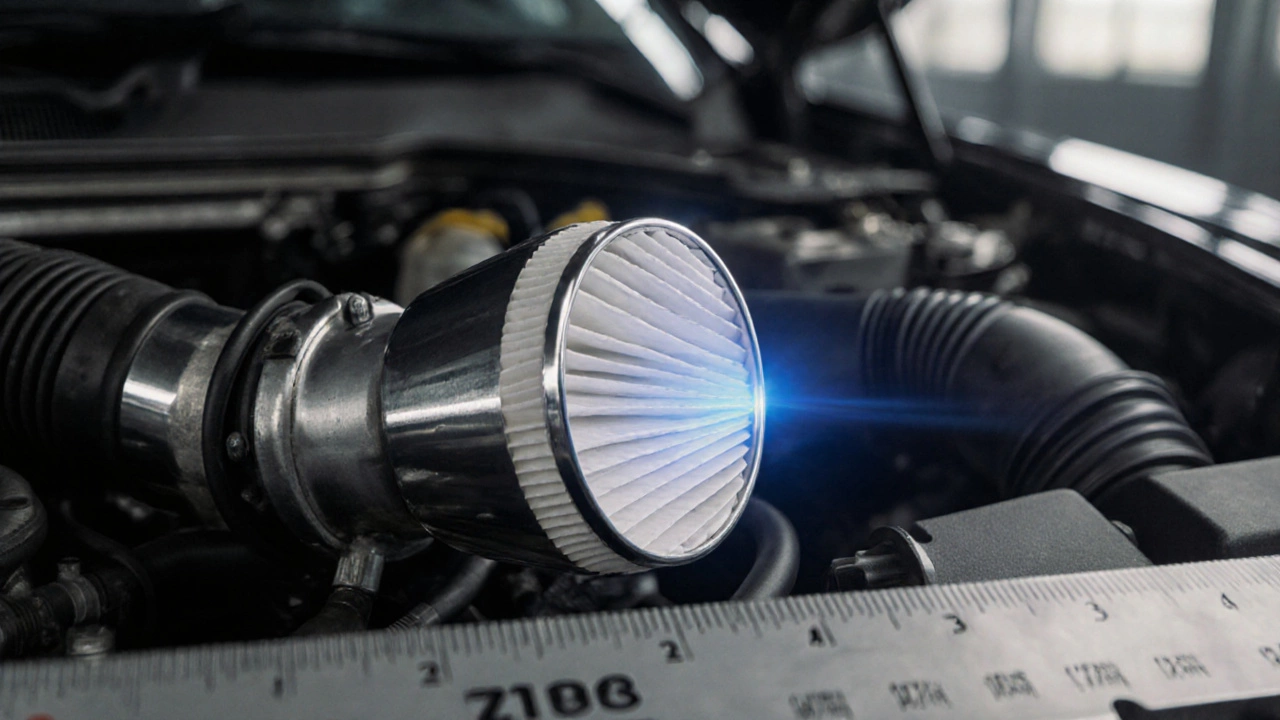
Expensive Air Filters: Are They Worth It? What You Really Need to Know
When you see an expensive air filter, a high-end automotive component designed to trap dust, debris, and pollutants before they enter the engine or cabin. Also known as performance air filter, it often costs two to five times more than a standard paper filter. But does that higher price mean better protection, longer life, or real power gains? The answer isn’t simple—because not all air filters are made the same, and not all cars need the same thing.
The real difference between cheap and costly air filters comes down to engine air filter, the filter that cleans air before it enters the engine’s combustion chamber versus cabin air filter, the one that cleans the air you breathe inside the car. Expensive engine air filters—like reusable cotton gauze or high-density foam types—are often marketed as performance upgrades. They claim to increase airflow, boost horsepower, and last longer. But here’s the catch: unless your car is modified for racing or high RPM use, a stock paper filter does the job just fine. In fact, many aftermarket high-flow filters can let in more dust, which wears out your engine faster. And if you’re not cleaning and re-oiling them properly, they can do more harm than good.
On the cabin side, expensive filters often come with activated carbon layers that trap odors, exhaust fumes, and allergens. If you live in a city, suffer from allergies, or hate the smell of traffic, these filters make a real difference. But if you drive mostly on quiet roads and don’t mind a little dust, a basic cabin filter will do. The key isn’t the price—it’s matching the filter to your driving habits and environment. A $60 filter won’t fix a failing HVAC system, and a $15 filter won’t magically turn your car into a race machine.
What most people miss is that air filters don’t work in isolation. Their effectiveness depends on your car’s design, driving conditions, and maintenance schedule. A high-end filter won’t help if your air intake is clogged with leaves or your ducts are leaking. And if you’re replacing your cabin filter every 30,000 miles instead of every 15,000, even the best filter will become a dust trap.
So when you’re staring at a shelf full of shiny, overpriced air filters, ask yourself: What am I trying to solve? Is it poor fuel economy? Reduced acceleration? Allergy symptoms? Or just the urge to upgrade? The right filter isn’t the most expensive one—it’s the one that actually fixes your problem without overpaying.
Below, you’ll find real-world guides that break down exactly which air filters matter, how to tell if yours is failing, and what most people get wrong when they buy upgrades. No fluff. No hype. Just what works—and what doesn’t.