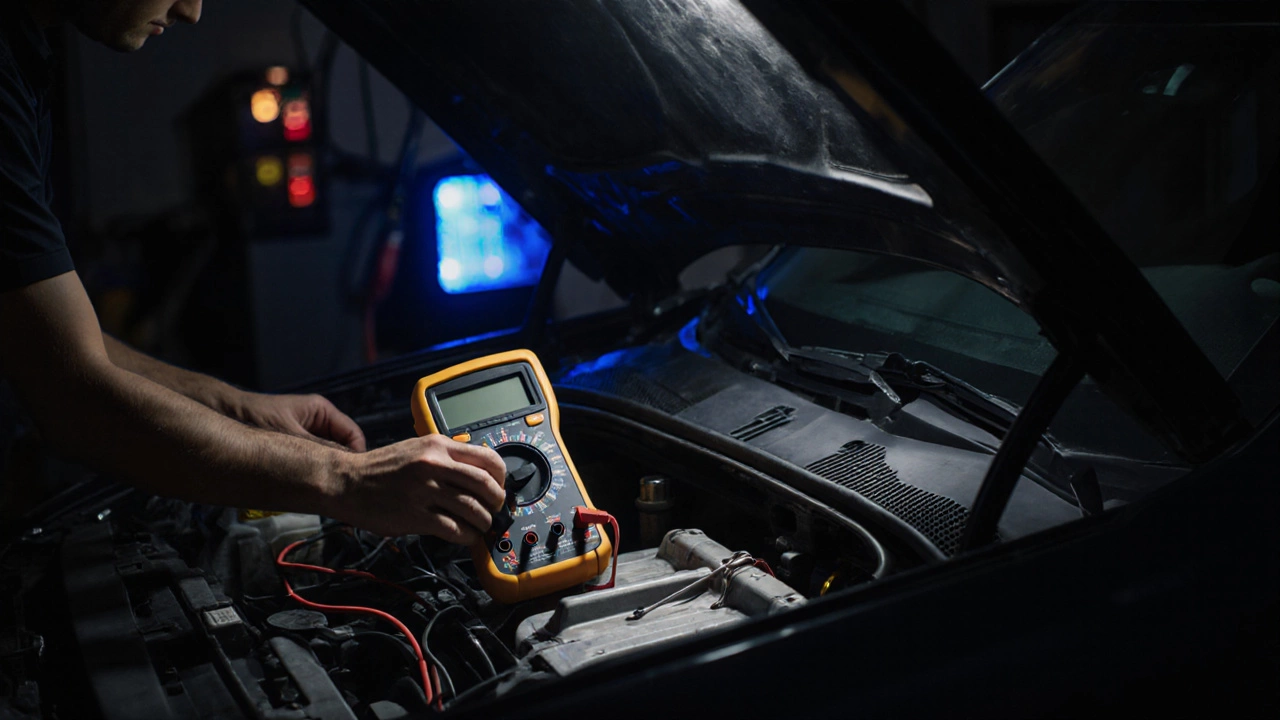
Jump Start Fuel Pump: Signs, Fixes, and What You Need to Know
When your car turns over but won’t start, the fuel pump, a critical component that delivers gasoline from the tank to the engine. Also known as fuel delivery pump, it’s one of the most overlooked parts that can leave you stranded. Many people assume it’s the battery—but if the engine cranks normally and just won’t fire up, the fuel pump could be the real issue. A failing fuel pump doesn’t always die suddenly. More often, it weakens over time, causing hesitation, stalling, or trouble starting—especially after the car sits for a while.
Some drivers try to jump start a fuel pump, a temporary workaround to get fuel pressure back when the pump’s electrical connection is weak. This isn’t a fix—it’s a diagnostic trick. You’re not really jump-starting the pump like a battery. You’re bypassing a bad relay or weak power signal to see if the pump kicks on. If the car starts after tapping the fuel tank or applying direct power, the pump is likely still functional but struggling under load. This tells you it’s time to check the relay, fuse, or wiring before replacing the whole unit. Don’t confuse this with a bad battery or spark plugs. Those give different symptoms: a slow crank means battery trouble; a misfire or rough idle points to ignition issues.
Related problems often show up together. A fuel pump failure, when the pump stops delivering enough pressure to keep the engine running. usually comes with loud whining noises from the rear of the car, loss of power during acceleration, or sudden engine shutdowns on the highway. You might also notice the car starts fine when cold but struggles after driving and sitting for 10 minutes—that’s heat soak, a classic sign the pump is wearing out. Many of the posts here cover these exact issues: how to tell if your car needs a new fuel pump, how long a repair takes, and what symptoms to watch for before it leaves you stranded.
What you won’t find is magic fixes. No fuel additive will bring a dead pump back to life. No amount of premium gas will fix a worn motor inside the pump. If your pump is failing, replacement is the only real solution. But knowing the signs early saves you from costly towing and roadside emergencies. The posts below give you real, step-by-step ways to test your fuel system, spot the difference between a bad pump and a bad relay, and decide whether to DIY or call a mechanic. You’ll also see what happens when you ignore the warning signs—and why waiting too long can damage your injectors or even your engine.