Oil Change Signs: How to Know When Your Engine Needs New Oil
When your car’s engine oil, the liquid that lubricates moving parts inside your engine to prevent friction and overheating. Also known as motor oil, it keeps your engine running smoothly and lasts longer. But oil doesn’t last forever. Over time, it breaks down, gets dirty, and loses its ability to protect. Ignoring the signs can lead to costly repairs—or a dead engine. You don’t need a mechanic to tell you when it’s time. Your car gives you clear clues if you know what to look for.
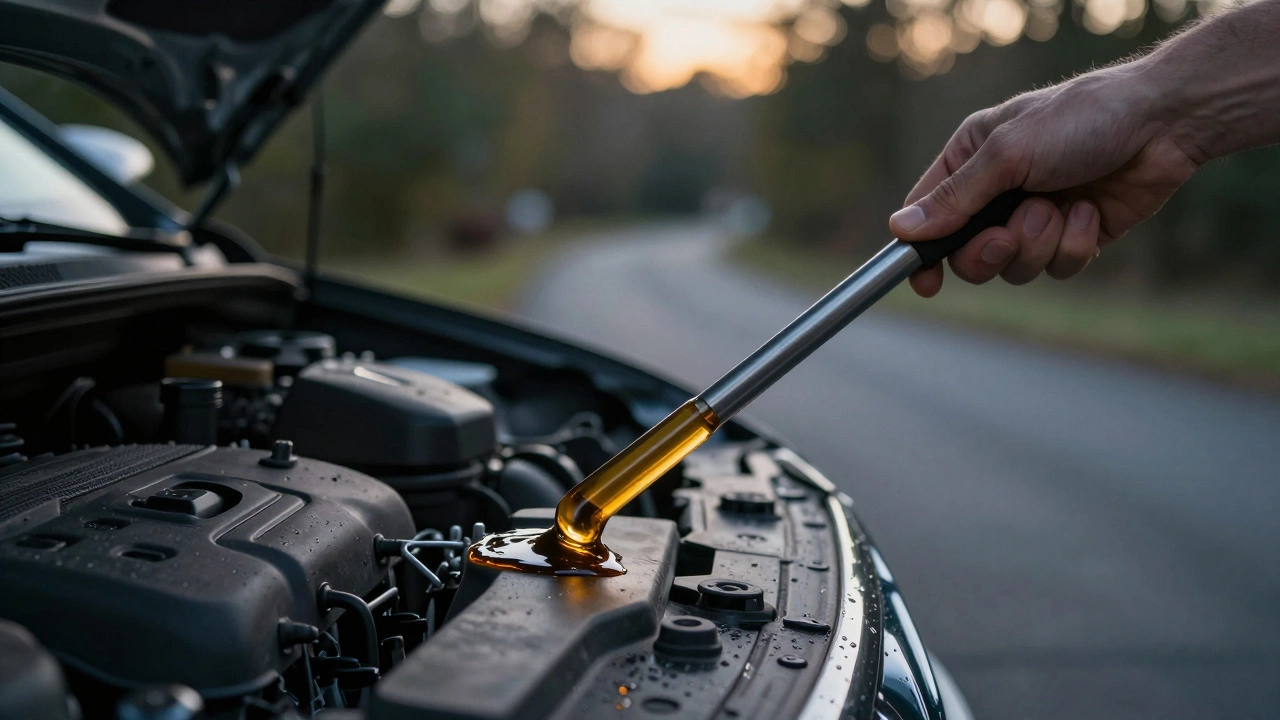
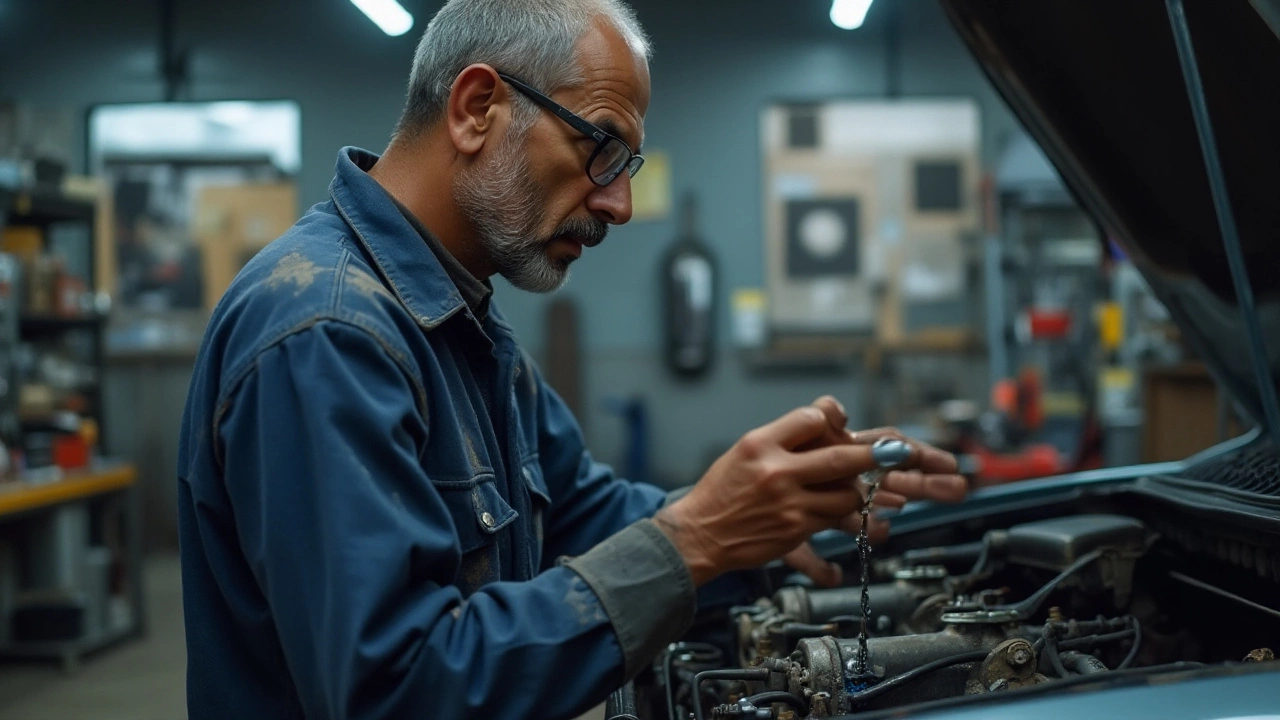
The most obvious oil level, the amount of engine oil in the crankcase, measured using the dipstick dropping below the minimum mark is a red flag. If you’re adding oil between changes, something’s wrong—either a leak or burning oil. Then there’s the oil pressure, the force that pushes oil through engine passages to critical components. If the warning light comes on, don’t drive. Low pressure means oil isn’t reaching vital parts like bearings and camshafts. This isn’t a "maybe"—it’s an emergency. Another sign? Dark, gritty oil. Fresh oil is amber and smooth. If it’s black, thick, or feels like sandpaper between your fingers, it’s done its job and needs replacing. And don’t ignore the noise. A knocking or ticking sound from under the hood? That’s metal grinding on metal because the oil isn’t doing its job anymore.
Some people think they can just go by mileage alone—5,000 miles, 7,500 miles, whatever the manual says. But driving habits matter more. If you haul heavy loads, drive in stop-and-go traffic, or live in extreme heat or cold, your oil degrades faster. Short trips are the worst. The engine never gets hot enough to burn off moisture and contaminants, so sludge builds up. That’s why a car driven only for 10-minute commutes needs oil changes more often than one used for highway cruising. You can’t guess. You have to pay attention.
Below, you’ll find real-world guides that break down exactly what to watch for, how to check your oil yourself, why some oils last longer than others, and what happens when you skip changes. These aren’t theory pieces—they’re practical checks and fixes from people who’ve been there. Whether you’re trying to avoid a tow truck or just want your car to last longer, the answers are here.