Radiator Lifespan: How Long Do Car Radiators Last and What Kills Them?
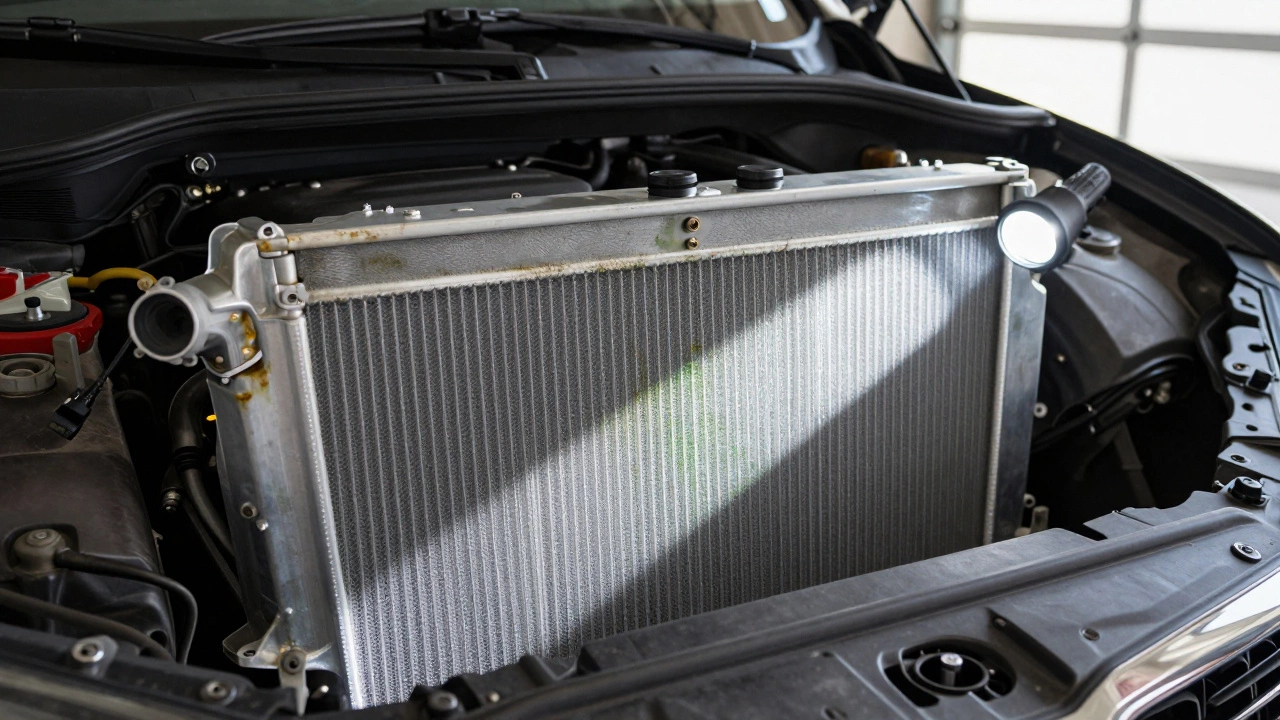
When it comes to keeping your engine from turning into a melted mess, the radiator, a core part of your car’s cooling system that transfers heat from engine coolant to the air. Also known as a heat exchanger, it’s not something you think about—until it breaks. Most radiators last between 8 to 12 years, but that’s only if you treat them right. Many fail way sooner because of simple, avoidable mistakes.
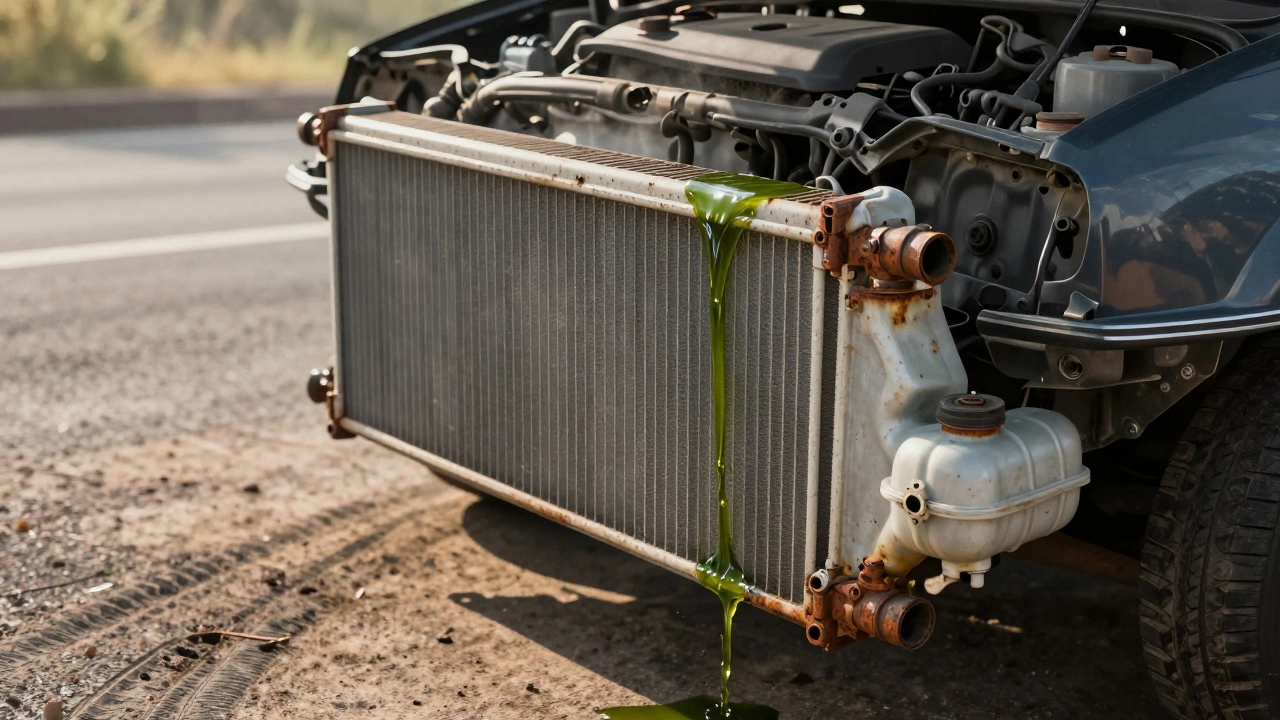
What actually kills a radiator? It’s rarely the part itself. More often, it’s dirty coolant, a leaking hose, or a faulty thermostat forcing the radiator to work too hard. Rust builds up inside if you never flush the system. Tiny cracks form from overheating cycles. Even a small leak in the cap can let air in and cause pressure imbalances that warp the metal. And don’t forget external damage—stones, road debris, or a minor fender bender can crack the plastic tanks on modern radiators. These aren’t mysterious failures. They’re symptoms of neglect.
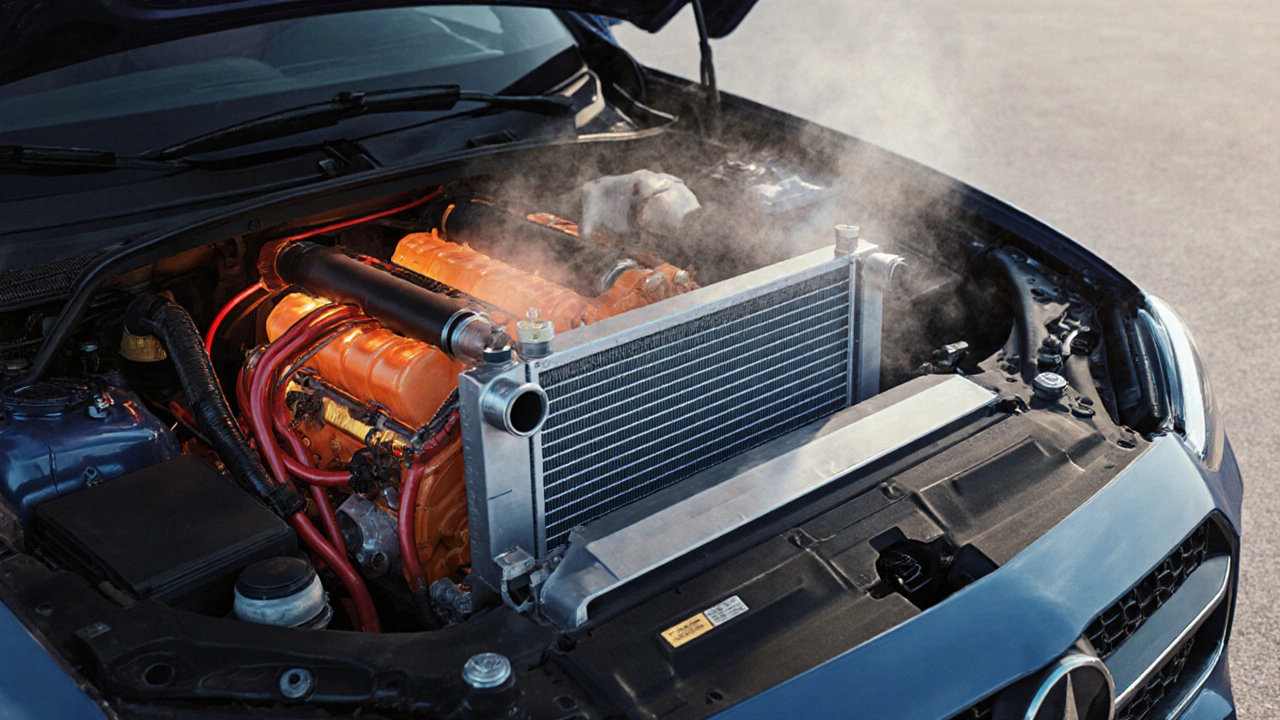
You’re not alone if you’ve never checked your radiator. Most people wait until steam is coming out of the hood. But the real signs come earlier: coolant smells sweet but you can’t find the leak, the temperature gauge creeps up on short drives, or you’re refilling the reservoir every few weeks. These aren’t just inconveniences—they’re warnings that your radiator is on its last legs. Replacing it before it fails saves you from towing fees, engine damage, and a much bigger repair bill.
The posts below cover everything you need to know. You’ll find out how long a radiator swap actually takes, what tools you really need if you’re doing it yourself, and how to tell if your cooling system is about to give out. Some posts dig into related parts like thermostats and coolant hoses—because a bad radiator is rarely the only problem. Others show you how to spot early failure signs so you don’t get stranded. Whether you drive a daily commuter or a weekend beater, this collection gives you the facts to keep your engine cool—literally.