Radiator Tips: Essential Care and Common Mistakes to Avoid
When your radiator, the main component that cools your engine by circulating coolant. Also known as cooling system core, it keeps your engine from turning into a melted mess. A broken radiator doesn’t just make your car run hot—it can kill your engine in minutes. Most people don’t think about it until steam is pouring out of the hood. But smart car owners check it regularly, know the warning signs, and act before disaster hits.
The cooling system, the network of hoses, thermostat, water pump, and radiator that manages engine temperature. isn’t just the radiator—it’s a team. If your thermostat sticks shut, your radiator can’t do its job. If your coolant is old or dirty, it turns into sludge and clogs the radiator fins. And if you’re using plain water instead of proper coolant, you’re asking for rust, corrosion, and leaks. You don’t need fancy tools to check it. Just pop the hood, look for puddles under the car, smell for sweet syrupy odors, and check the coolant level when the engine is cold. If it’s below the min line, top it off with the right mix. Don’t guess—use the fluid your owner’s manual says.
What radiator tips actually matter?
Most radiator problems start small. A tiny leak you ignore becomes a major repair. A clogged radiator doesn’t suddenly fail—it slowly loses efficiency over months. That’s why cleaning the fins with compressed air or a soft brush every few months helps. Dirt and bugs block airflow, and that’s like putting a blanket over your engine. Also, don’t assume your radiator lasts forever. Even if it’s not leaking, most last 8 to 12 years. If your car is older and you’re topping off coolant every few weeks, it’s time to think about replacement. Replacing a radiator isn’t always expensive, but waiting too long can fry your engine—and that costs thousands.
And don’t fall for the myth that more coolant = better cooling. Overfilling creates pressure buildup, which can blow hoses or crack the radiator. Always follow the fill line. Also, never open the radiator cap when the engine is hot. That steam can burn you worse than boiling water. Wait until it’s cool. Seriously. Just wait.
Some people think upgrading to a bigger radiator fixes overheating. It might help—if the real problem is a weak water pump or a faulty fan. But if your radiator is fine and your engine is overheating, you’re chasing the wrong thing. Diagnose the whole system. Check the thermostat, the fan clutch, the hoses for cracks. A radiator tip isn’t just about the radiator. It’s about understanding how the whole cooling system works together.
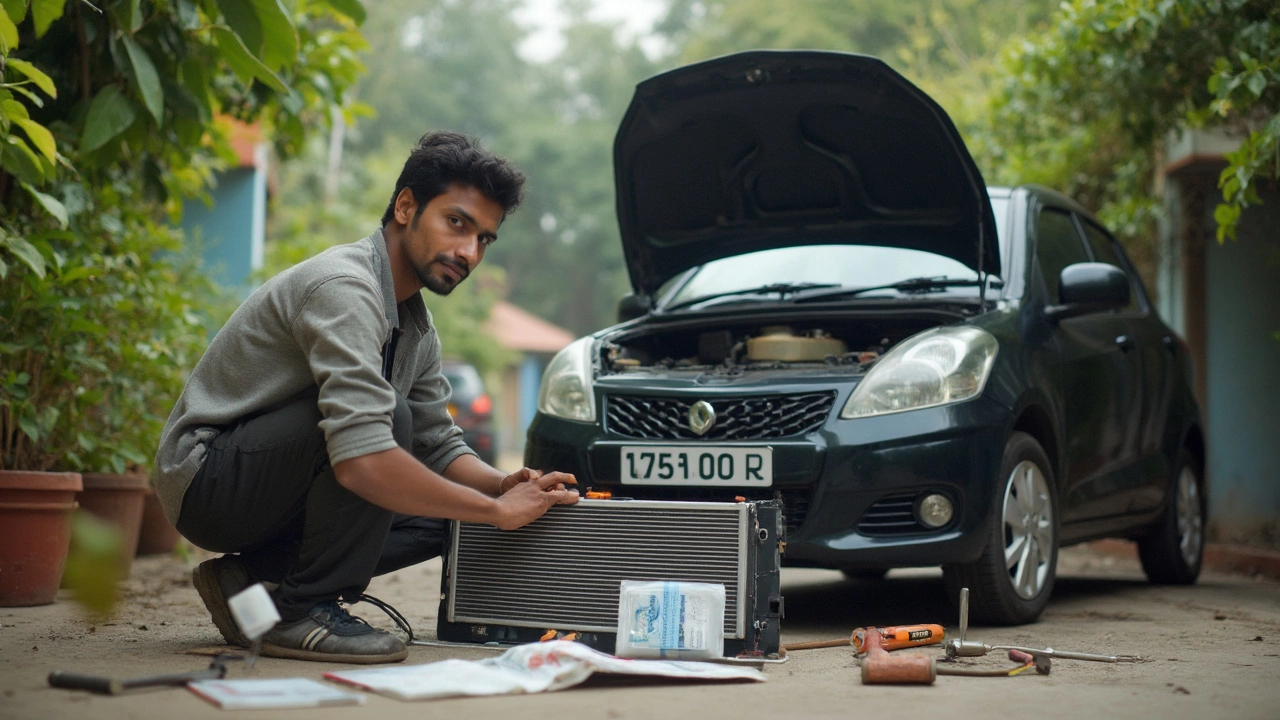
You’ll find posts here that show you how long a radiator swap takes, what tools you really need, and how to spot a failing radiator before it leaves you stranded. You’ll also see what happens when you skip maintenance, why some aftermarket radiators fail fast, and how to pick one that actually lasts. No fluff. No guesswork. Just real, tested advice from people who’ve been there.
Whether you’re a weekend mechanic or just someone who wants to avoid a tow truck bill, these radiator tips will save you time, money, and stress. The key isn’t doing complex repairs—it’s catching problems early. And that’s something anyone can do with a quick look under the hood and a little attention.