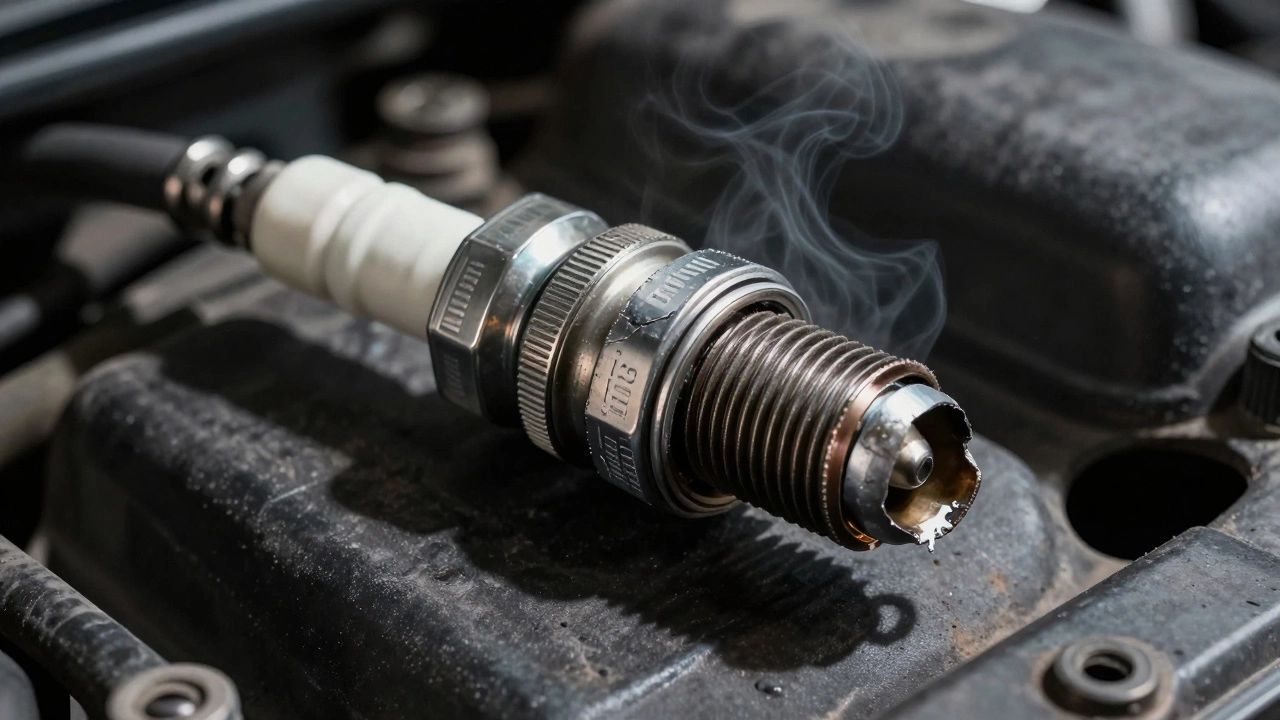
What Shortens Spark Plug Life? 7 Common Causes and How to Avoid Them
Spark plugs don't last forever. Learn the 7 main reasons they fail early-from wrong type and oil leaks to poor fuel and bad installation-and how to make them last longer.
View moreWhen your car sputters, hesitates, or won’t start at all, the culprit isn’t always the battery or fuel pump—it could be spark plug failure, a breakdown in the ignition system that prevents the fuel-air mixture from igniting properly in the engine cylinders. Also known as ignition failure, this issue often shows up long before your engine completely dies, and ignoring it can lead to bigger, costlier problems. Spark plugs aren’t just tiny parts—they’re the heartbeat of your engine’s combustion process. If they stop working right, your car doesn’t just lose power; it becomes unreliable, inefficient, and potentially unsafe.
Spark plug failure doesn’t happen overnight. It usually starts with small clues: a rough idle when you’re stopped at a light, a slight hesitation when you press the gas, or even a check engine light that comes and goes. These aren’t just annoyances—they’re warnings. A failing spark plug can cause engine misfire, a condition where one or more cylinders fail to ignite fuel properly, leading to poor performance and increased emissions. Over time, this misfire can damage your catalytic converter, waste fuel, and even warp valves. And if you keep driving, you might end up replacing more than just the plugs—you could be looking at a new ignition coil, fuel injector, or worse.
What causes spark plug failure? It’s not always bad parts. Sometimes it’s age—most plugs last 30,000 to 100,000 miles depending on type. Other times, it’s oil leaking into the combustion chamber, a rich fuel mixture, or even using the wrong plug heat range for your engine. Cold weather, frequent short trips, and poor-quality fuel can speed up wear too. You don’t need a mechanic to spot the early signs. Listen for the sputter. Watch for the warning light. Feel the vibration. These are the real indicators that your spark plugs are on their last legs.
And here’s the thing: replacing spark plugs isn’t always a simple fix. If the problem is deeper—like a cracked insulator or carbon buildup from a bad fuel system—you’ll need to dig further. That’s why the posts below cover not just how to tell if your plugs are bad, but also what else could be going wrong under the hood. You’ll find real-world advice on diagnosing ignition issues, understanding why some upgrades don’t deliver, and how to avoid common mistakes that cost drivers time and money. Whether you’re dealing with a sudden stall or just suspect something’s off, the guides here give you the facts you need to fix it right.
Spark plugs don't last forever. Learn the 7 main reasons they fail early-from wrong type and oil leaks to poor fuel and bad installation-and how to make them last longer.
View more