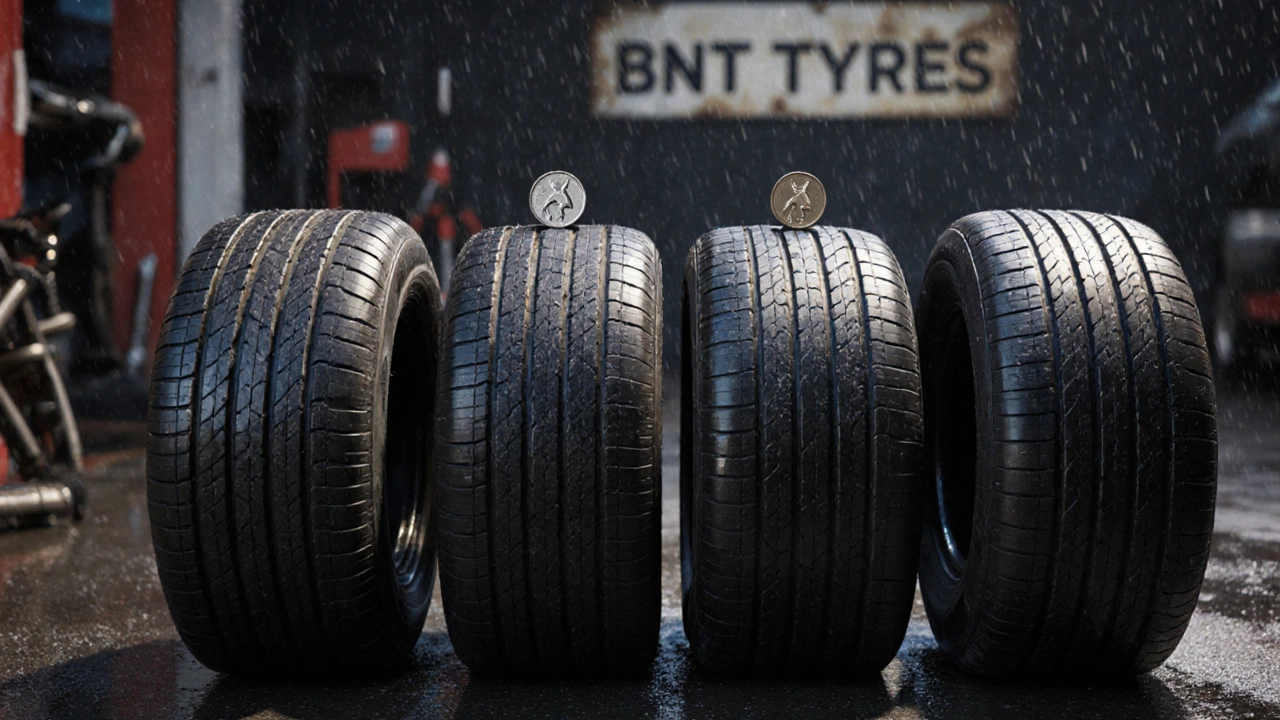
Tire Replacement: When, Why, and How to Do It Right
When you hear tire replacement, the process of swapping out worn or damaged vehicle tires for new ones to ensure safety, handling, and fuel efficiency. Also known as tire change, it's not just a routine fix—it's one of the most critical maintenance tasks you can do for your car. Most people wait until the tread looks thin or they feel a vibration, but by then, it might be too late. Tires are your only contact with the road. If they fail, so does your control.
A tire wear, the gradual loss of rubber on the tread surface due to friction, alignment issues, or improper inflation doesn’t always show up evenly. You might see one side worn down while the other looks fine—that’s a sign your alignment is off, not just that the tire is old. And tire safety, the condition of tires that ensures proper grip, braking, and resistance to blowouts under normal driving conditions isn’t just about tread depth. Cracks in the sidewall, bulges, or old rubber (even with good tread) can turn a quiet drive into a dangerous one. The National Highway Traffic Safety Administration found that tire-related crashes kill over 700 people in the U.S. every year. Most of those could’ve been avoided with timely replacement.
How long do tires last? Most manufacturers say 5 to 6 years, regardless of mileage. Heat, sunlight, and even parking near oil spills degrade rubber over time. A tire with 50% tread left might still be unsafe if it’s eight years old. And don’t forget—your spare tire isn’t magic. If it’s been sitting for years, it’s just as risky as a worn-out one. tire installation, the process of mounting new tires onto wheels and balancing them for smooth, safe driving matters too. A bad installation can cause vibrations, uneven wear, or even wheel damage. That’s why getting it done right—with proper tools and torque specs—isn’t optional.
You’ll find posts here that cover the real signs your tires are done—like uneven wear patterns, sidewall damage, or that weird humming noise at highway speeds. We’ll show you how to check tread depth with a penny, what pressure to run in different conditions, and why replacing just one tire isn’t always the answer. Some articles dig into how tire age affects braking in wet conditions. Others explain why you shouldn’t ignore that small crack near the rim. This isn’t theory. These are the mistakes real drivers make—and how to avoid them.