Rear Wiper Necessity Simulator
Simulation Controls
Conditions are clear. No wiper needed.
Look at your average sedan. It’s sleek, low to the ground, and designed to slice through the air with minimal resistance. Now look at a hatchback or an SUV. They’re boxier, taller, and almost always come equipped with a rear windshield wiper. You might wonder why manufacturers bother putting that little motor on the back of one car but not the other. Is it just to save money? Or is there some hidden engineering secret?
The short answer is physics. Specifically, it’s about how air moves around different body shapes. But before we get into the wind tunnels and drag coefficients, let’s address the elephant in the room: yes, sedans *can* have rear wipers. The Mercedes-Benz S-Class has offered them as an option for decades. So why don’t you see them on a Toyota Camry, a Honda Accord, or a Ford Fusion?
The Shape of the Car Matters More Than You Think
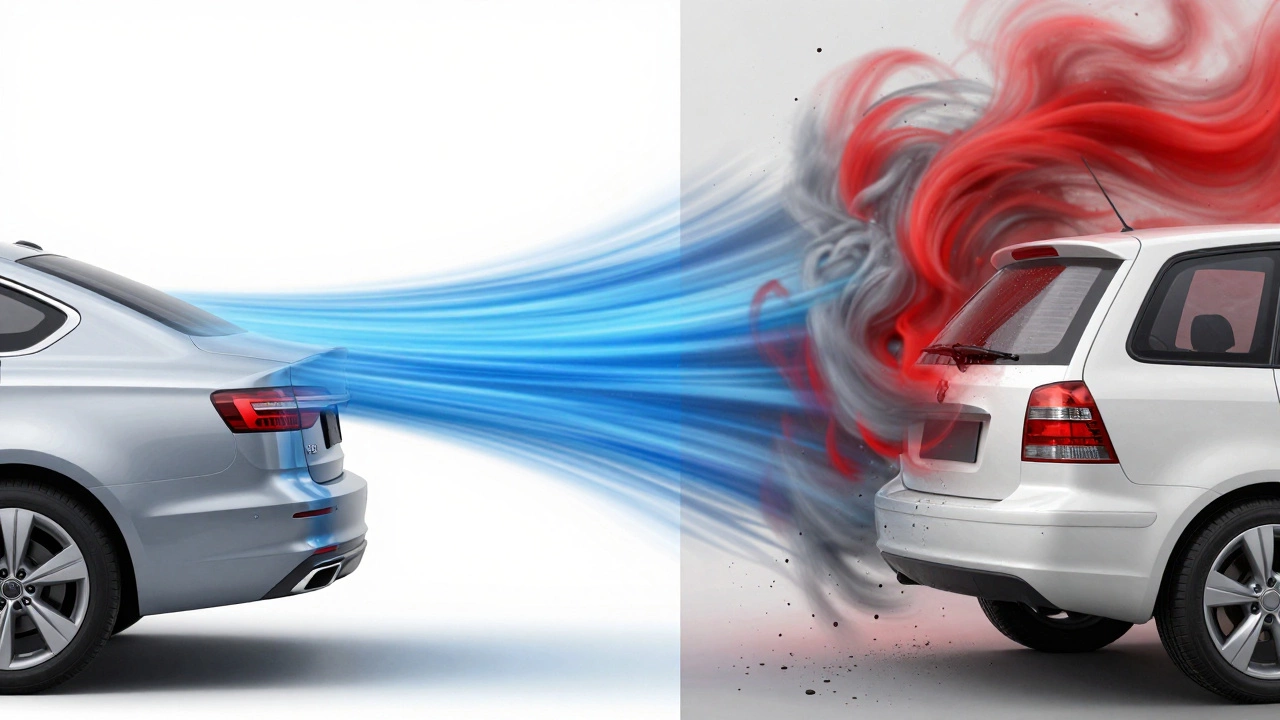
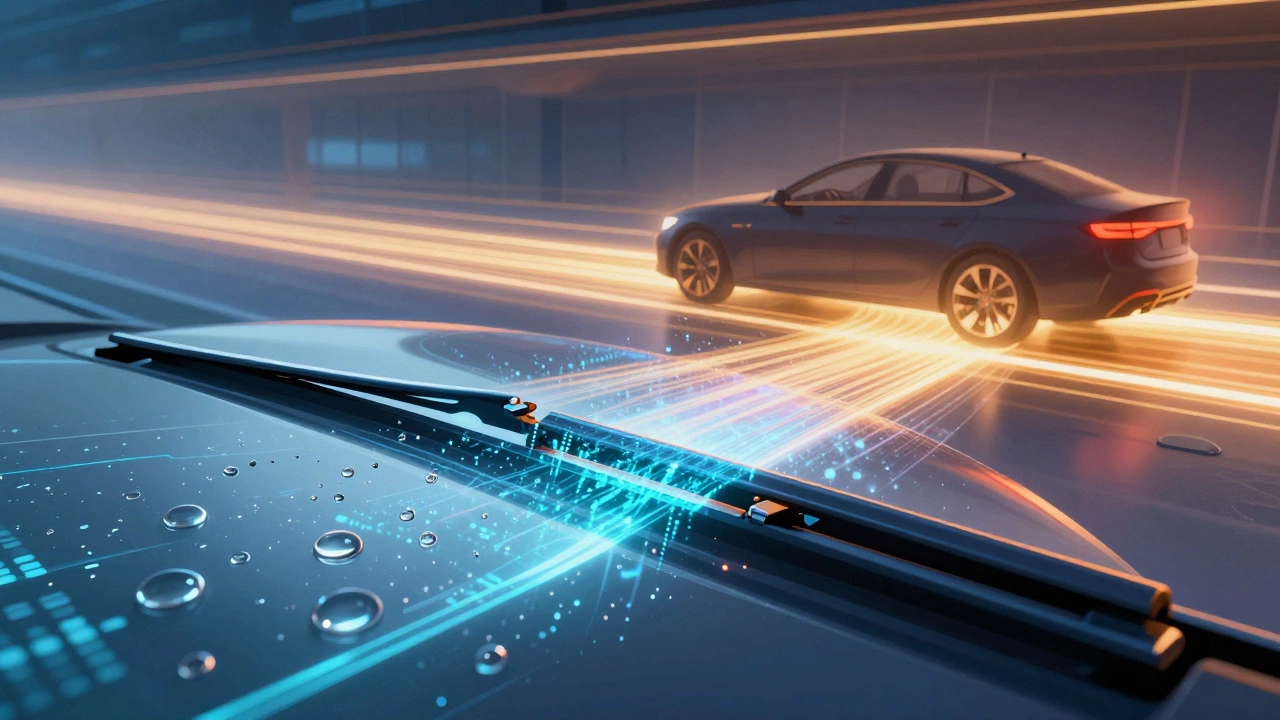
To understand the rear wiper debate, you first need to understand aerodynamics. When a car drives down the highway, air flows over its hood, roof, and trunk. On a sedan, that airflow is relatively smooth. The trunk lid slopes downward, guiding the air away from the rear glass. This creates a high-pressure zone above the window and a low-pressure wake behind the car. Because the air is moving parallel to the glass rather than slamming into it head-on, debris like bugs, road grime, and rain tends to be blown off by the sheer force of the wind.
Contrast this with a hatchback. A hatchback has a nearly vertical rear door. When air hits that flat surface, it doesn’t flow smoothly; it separates. This separation creates turbulence. Turbulence means dirty air swirls right against the glass. Raindrops stick. Mud splatters up from the tires and stays put. Without a wiper, your view out the back would be a blurry mess within minutes of driving in bad weather.
SUVs face a similar problem, but for a different reason. They are tall. Their rear windows are often large and vertical, acting like sails. Plus, because they sit higher off the ground, they throw more spray from their own tires onto their rear glass. That’s why you’ll see rear wipers on everything from a compact Jeep Renegade to a massive Ford Expedition.
Aerodynamic Drag and Fuel Efficiency
Car manufacturers are obsessed with fuel efficiency. In Australia, where fuel prices can sting, every fraction of a percent in efficiency counts. Adding a rear wiper isn’t just about the weight of the motor and blade; it’s about the disruption it causes to airflow.
A rear wiper sits on the outside of the glass. Even when it’s not moving, it’s a small protrusion. When it *is* moving, it chops through the boundary layer of air clinging to the window. This increases drag coefficient, which is a number that represents how much air resistance a vehicle faces. For a sedan, which is already optimized to be slippery, adding a wiper mechanism (which requires a hole in the trunk lid, wiring, and a motor) adds complexity and slight drag. Over millions of miles, that tiny bit of extra resistance translates to measurable fuel loss.
Hatchbacks and SUVs already have higher drag coefficients due to their shape. The penalty for adding a wiper is negligible compared to the benefit of clear visibility. Sedans, however, are trying to eke out every bit of efficiency. If the wind does the cleaning for free, why pay the aerodynamic cost of a wiper?
The "Trunk" Factor: Why Sedans Stay Cleaner
There’s another practical reason sedans stay cleaner in the back: the trunk itself. On a sedan, the rear window is separated from the cargo area by a solid deck. This deck acts as a shield. Debris kicked up by the rear tires has to travel up and over the trunk lid to hit the glass. Most of it falls short.
On a hatchback, the rear window *is* the tailgate. There is no shield. The glass is directly exposed to the elements coming from below. Imagine standing with your hands held out in front of you versus holding a sign on a pole above your head. The sign stays cleaner. The sedan’s trunk lid is that pole.
This design difference also affects maintenance. Rear wipers on hatchbacks wear out faster because they’re battling more dirt and grit. On a sedan, if you did install a wiper, it would likely last longer because the environment it operates in is less hostile. But since most drivers don’t *need* it, manufacturers skip the part entirely to reduce potential failure points.
When Do Sedans Actually Need Rear Wipers?
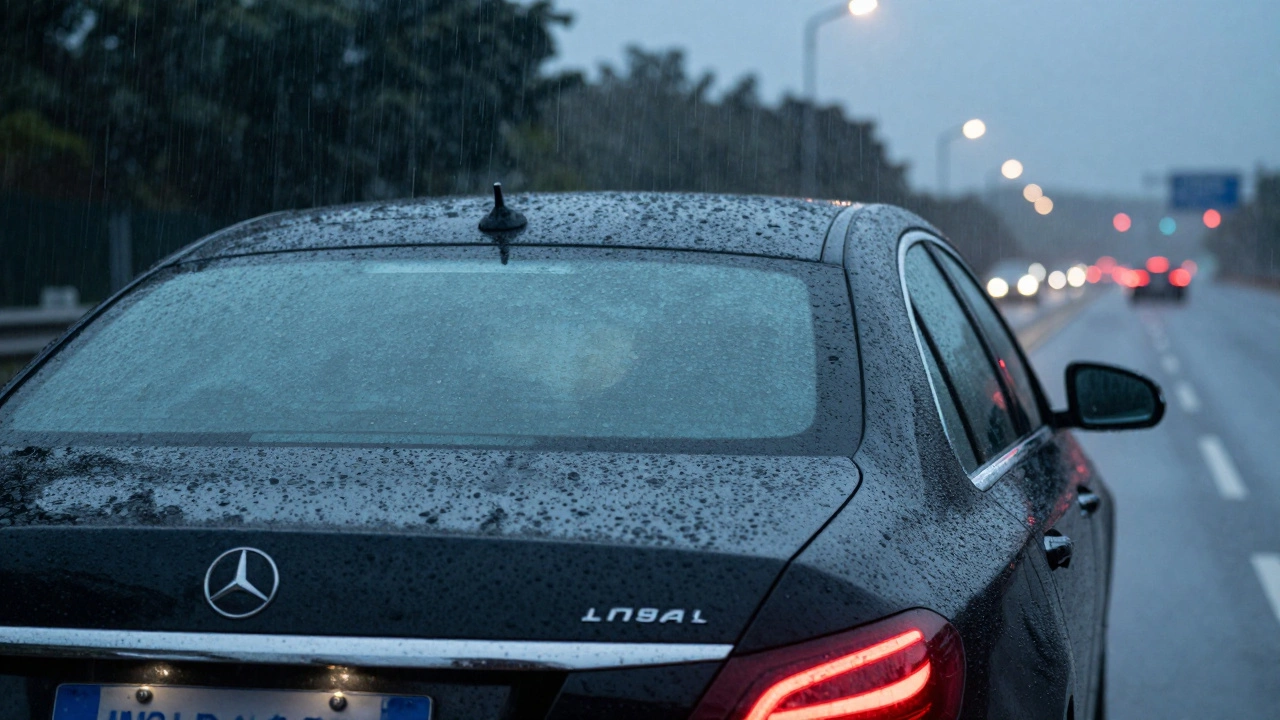
Let’s be real: most people drive in fair weather. But what happens when it rains hard? Or when you’re driving behind a truck on a wet highway? Even on a sedan, the rear glass can get dirty enough to obscure vision. So, do any sedans offer rear wipers?
Yes. Luxury brands like Mercedes-Benz, BMW, and Audi have offered rear wipers on their flagship sedans for years. The S-Class, for example, includes a rear wiper as standard or optional equipment. Why? Because luxury buyers expect convenience regardless of aerodynamics. They’re willing to pay for the feature, and the marginal impact on fuel economy is irrelevant when you’re buying a $100,000 car.
But even these luxury sedans rarely use the wiper actively. Most owners report that the washer fluid nozzle, combined with the airflow, is sufficient. The wiper is there as a backup for extreme conditions-like torrential downpours or heavy mud season. For the average commuter in a mid-range sedan, that backup is considered unnecessary overhead.
The Rise of Cameras and Sensors
If you think rear wipers are disappearing, look closer. They aren’t just being removed from sedans; they’re being phased out on *all* cars. Why? Because cameras are taking over.
Modern vehicles are increasingly equipped with rearview cameras and parking sensors. These systems provide a digital view of what’s behind you, unaffected by rain, mud, or darkness. While a camera lens can still get dirty, it’s easier to keep clean with heated elements or hydrophobic coatings than a large pane of glass. Some newer models even have self-cleaning camera lenses.
This shift changes the calculus. If you rely on a camera to reverse, you don’t need a perfectly clear rear window. You just need a functional sensor. As autonomous driving features become more common, the human eye’s need for direct line-of-sight out the back diminishes. We’re trading mechanical solutions (wipers) for electronic ones (cameras).
Can You Add a Rear Wiper to Your Sedan?
So, you love your sedan, but you hate losing visibility in the rain. Can you retrofit a rear wiper? Technically, yes. Aftermarket kits exist for many popular models. But should you?
Probably not. Here’s why:
- Drilling Holes: Installing a wiper usually requires drilling through the trunk lid. This compromises the structural integrity of the panel and opens a path for water leaks into your trunk.
- Wiring Complexity: You need to run power and control wires from the dashboard to the rear. This involves removing interior panels, tapping into the electrical system, and risking shorts or interference with other electronics.
- Aerodynamic Penalty: As discussed, you’ll slightly increase drag. On a long road trip, you might notice a tiny drop in fuel economy.
- Aesthetics: Let’s be honest. A rear wiper on a sleek sedan looks awkward. It breaks the clean lines of the design.
Instead of installing a wiper, consider upgrading your existing setup. Use high-quality windscreen wiper blades on the front, and ensure your rear washer jets are aimed correctly. Many cars have adjustable nozzles under the bumper or near the license plate light. Aiming them slightly upward can help blast debris off the rear glass using pressure alone.
| Feature | Sedan | Hatchback/SUV |
|---|---|---|
| Rear Window Angle | Sloped (aerodynamic) | Vertical/Near-Vertical |
| Airflow Pattern | Smooth, parallel flow | Turbulent, separating flow |
| Debris Exposure | Low (shielded by trunk) | High (direct exposure) |
| Rear Wiper Standard? | No | Yes |
| Fuel Efficiency Impact | High sensitivity to drag | Lower sensitivity to drag |
What About Convertibles?
Convertibles are an interesting edge case. When the top is down, the rear window is gone, so wipers are irrelevant. When the top is up, many convertibles *do* have rear wipers. Why? Because the folding roof mechanism often creates seams and gaps that disrupt airflow. Additionally, the rear window on a convertible is often smaller and more raked, making it harder for natural airflow to clean effectively. Plus, convertibles are frequently driven in sunny, coastal areas where salt spray and dust are constant issues. The wiper helps maintain clarity in those specific environments.
The Future: Heated Glass and Hydrophobic Coatings
Manufacturers are exploring alternatives to mechanical wipers. One promising technology is heated rear glass. Thin resistive wires embedded in the glass warm it up, melting ice and evaporating light moisture. This is common on mirrors and increasingly available on rear windows. It doesn’t remove heavy mud, but it handles frost and light rain well.
Another trend is factory-applied hydrophobic coatings. These chemical treatments cause water to bead up and roll off the glass instantly. Combined with good airflow, this can keep a sedan’s rear window remarkably clear without any moving parts. Some detailers offer ceramic coatings that provide similar benefits for several years.
Final Thoughts: It’s Not About Cost, It’s About Physics
So, why don’t sedans have rear wipers? It’s not because manufacturers are cheap. It’s because the physics of a sedan’s shape makes them largely unnecessary. The sloping trunk sheds water and debris naturally. Adding a wiper introduces drag, complexity, and aesthetic compromise for a problem that rarely exists.
If you find yourself struggling with rear visibility in your sedan, check your washer jets first. Then, consider a quality hydrophobic coating. And if all else fails, maybe it’s time to switch to a hatchback. At least then, you’d have a valid excuse for that wiper.
Do any modern sedans come with rear wipers?
Yes, primarily luxury sedans like the Mercedes-Benz S-Class, BMW 7 Series, and Audi A8 often include rear wipers as standard or optional equipment. However, they are rare on mainstream family sedans like the Toyota Camry or Honda Accord.
Can I install a rear wiper on my sedan myself?
It is possible using aftermarket kits, but it is not recommended. Installation typically requires drilling holes in the trunk lid, which can lead to rust and water leaks. It also involves complex wiring that may void warranties or cause electrical issues.
Why do hatchbacks need rear wipers but sedans don't?
Hatchbacks have vertical rear doors that create turbulent airflow, causing dirt and rain to stick to the glass. Sedans have sloping trunks that allow air to flow smoothly over the rear window, naturally blowing debris away.
Does a rear wiper affect gas mileage?
Yes, slightly. Any protrusion on a car's exterior increases aerodynamic drag. On a fuel-efficient sedan, this added drag can result in a small decrease in miles per gallon, especially at highway speeds.
How can I improve rear visibility in my sedan during rain?
Ensure your rear washer nozzles are aimed correctly at the glass. Apply a hydrophobic coating to the rear window to make water bead off. Also, keep the inside of the glass clean to prevent fogging, which can compound visibility issues.