Exhaust System Recommendation Tool
Answer three simple questions to find the ideal exhaust configuration for your vehicle.
1. Material Priority
Mild Steel
Budget-focused. Best for dry climates or short-term projects.
Aluminized Steel
Mid-range. Good balance for daily drivers in moderate climates.
Stainless Steel (304)
Premium. Essential for coastal areas, show cars, or long-term ownership.
2. Desired Sound Profile
Chambered
Deep & refined. Great for city driving and strict noise regulations.
Straight-Through
Loud & raspy. Ideal for track days or maximum volume enthusiasts.
Resonated
Smooth & balanced. Removes annoying frequencies while keeping volume up.
3. Upgrade Scope & Budget
Axle-Back
Entry-level. Replaces only muffler/tailpipe. Lower cost, easier install.
Cat-Back
Standard. Replaces converter to tailpipe. Best balance of cost and benefit.
Full System + Headers
Maximum Performance. Includes headers. Highest cost and labor intensity.
Your Recommended Setup
Why This Choice?
Walking past a modified car and hearing that deep, aggressive rumble is a feeling most drivers know well. But when it comes time to upgrade your own vehicle, the question isn't just about sound-it's about performance, durability, and value. Choosing the right exhaust system is a complex balance between aerodynamics, material science, and personal preference for noise levels. There is no single "best" option for everyone; the ideal setup depends entirely on whether you prioritize horsepower gains, daily drivability, or raw aesthetic appeal.
The core function of an exhaust system is simple: it moves combustion gases out of the engine cylinders and into the atmosphere. However, how efficiently it does this directly impacts engine breathing, which in turn affects power output. A restrictive stock system can choke an engine, while a poorly designed aftermarket one might create harmful resonance inside the cabin. Understanding the components-mufflers, catalytic converters, and piping-is the first step toward making a smart investment.
Understanding the Core Components
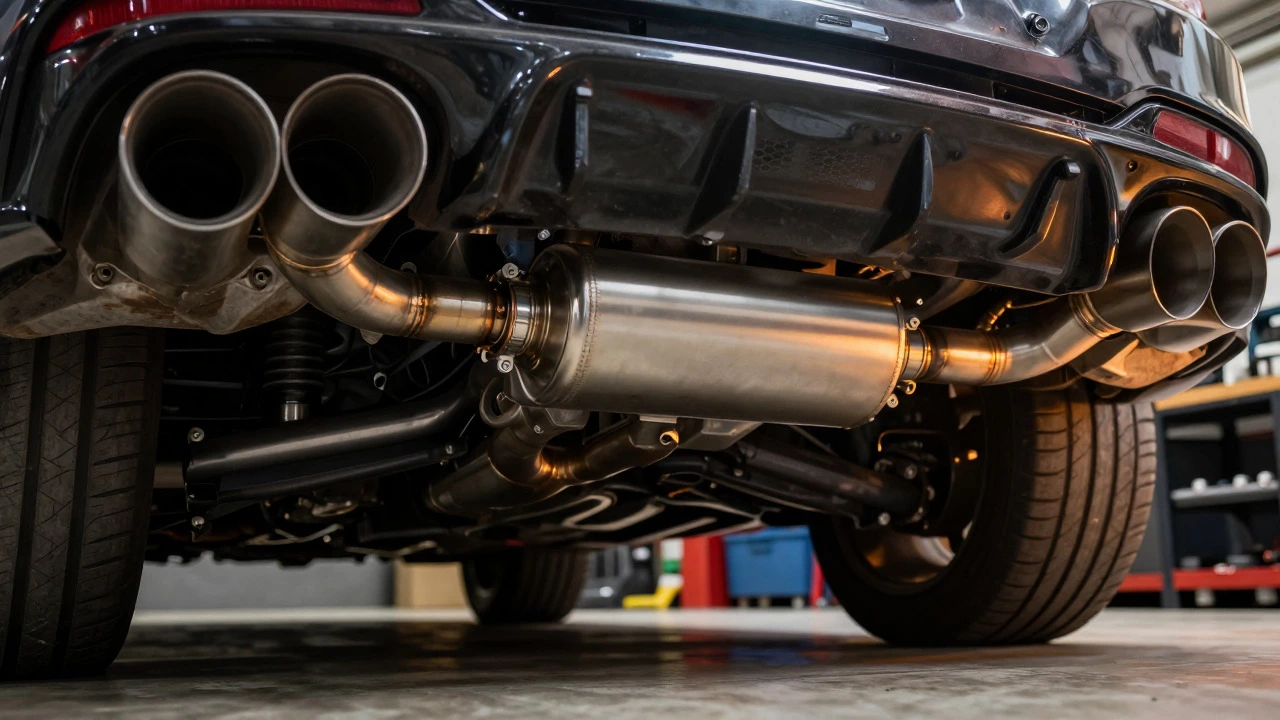
Before comparing brands or styles, you need to understand what makes up the system. An exhaust assembly generally consists of three main sections: the header (or manifold), the mid-pipe, and the rear section (which includes the muffler and tailpipe). Each part plays a distinct role in gas flow and noise control.
- Headers: These connect directly to the engine block. They are often made from high-temperature alloys like Inconel because they sit closest to the heat source. Upgrading headers usually yields the biggest power gains but is also the most expensive and labor-intensive part of any exhaust project.
- Catalytic Converters: These reduce emissions by converting toxic gases into less harmful substances. While essential for street legality, oversized cats can cause back pressure if not properly sized. Many enthusiasts opt for high-flow catalytic converters to maintain efficiency without sacrificing too much power.
- Mufflers: This is where the sound is shaped. Mufflers use chambers, perforated tubes, and packing materials to cancel out specific sound frequencies. The design here determines whether your car sounds sporty, raspy, or quiet.
When people ask for the best exhaust, they are usually referring to the rear section, known as a "cat-back" or "axle-back" system. A cat-back replaces everything from the catalytic converter to the tail tip, while an axle-back only replaces the muffler and tailpipe. For most drivers, a quality cat-back offers the best balance of cost and benefit.
Material Matters: Steel vs. Aluminum
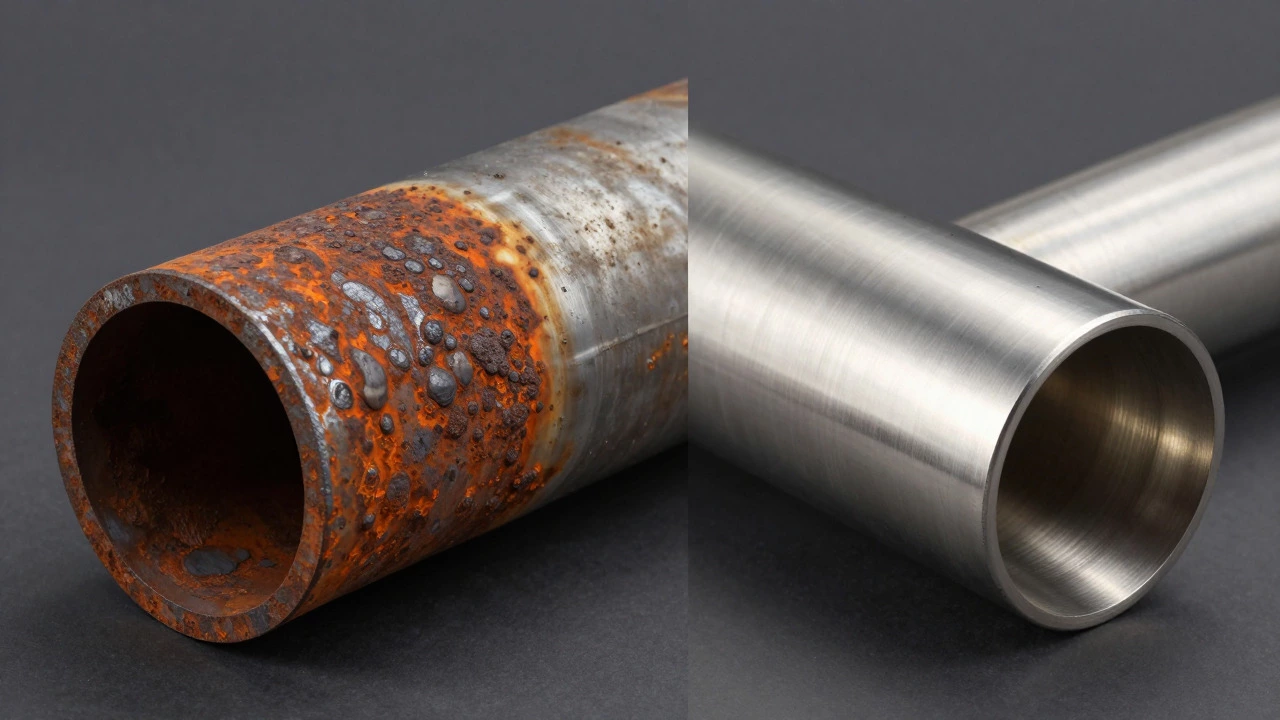
You might wonder why some exhausts cost twice as much as others. The primary difference lies in the material. Most budget-friendly systems are made from mild steel, which is prone to rust, especially in coastal areas like Adelaide. Over time, corrosion weakens the metal, leading to leaks and structural failure.
Stainless steel is the gold standard for aftermarket exhausts. It resists rust significantly better than mild steel and lasts much longer under high temperatures. If you live in a humid or salty environment, investing in 304-grade stainless steel is worth every penny. It maintains its appearance and structural integrity for years, whereas mild steel might start bubbling with rust within two to three seasons.
| Material | Corrosion Resistance | Lifespan | Cost | Best Use Case |
|---|---|---|---|---|
| Mild Steel | Low | 2-5 years | Budget | Short-term projects, dry climates |
| Aluminized Steel | Medium | 5-8 years | Mid-range | Daily drivers, moderate climates |
| Stainless Steel (304) | High | 10+ years | Premium | Coastal areas, show cars, long-term ownership |
Sound Profiles: What Do You Actually Want?
Sound is subjective, but there are clear categories. Some drivers want a subtle rumble at idle that builds into a roar during acceleration. Others prefer a constant, loud drone. The type of muffler you choose dictates this experience.
- Chambered Mufflers: These contain internal baffles and chambers that break up sound waves. They produce a deeper, more refined tone. Great for daily driving because they don't get overly loud at highway speeds.
- Straight-Through Mufflers: As the name suggests, these have a straight path for exhaust gases with minimal obstruction. They produce a louder, raspier sound. Ideal for track days or those who want maximum volume.
- Resonators: Often added to straight-through systems, resonators target specific annoying frequencies (like flapping) without reducing overall volume. They smooth out the sound profile.
If you drive in a city with strict noise regulations, a chambered system is safer. If you spend most of your time on open highways or tracks, a straight-through setup will give you the visceral feedback you're looking for. Always listen to real-world videos before buying, as manufacturer claims can be misleading.
Performance Gains: Myths vs. Reality
A common misconception is that any exhaust upgrade will add significant horsepower. In reality, the gains depend heavily on your engine's baseline state. On a stock engine, a cat-back exhaust might add 2-5% horsepower. On a heavily modified engine with high airflow demands, the same exhaust could unlock 10-15% more power by reducing back pressure.
Back pressure is the resistance to exhaust flow. Lower back pressure allows the engine to expel gases faster, creating a vacuum that pulls in more fresh air and fuel. However, zero back pressure is not always good; some pressure helps scavenge gases out of the cylinders. High-performance exhausts are tuned to find the sweet spot for your specific engine configuration.
For naturally aspirated engines, exhaust upgrades are one of the most cost-effective ways to gain power. For turbocharged engines, the benefits are often less noticeable unless the stock system is severely restrictive. Always check dyno sheets for your specific car model and modification level before assuming big gains.
Choosing the Right Fitment
Not all exhausts fit all cars. Even within the same make and model, differences in year, transmission, and market region can affect compatibility. Before purchasing, verify the exact fitment details. Look for systems that include all necessary hangers, clamps, and gaskets. Missing hardware can lead to rattles and leaks, ruining the experience.
Also consider the installation difficulty. Some systems require cutting and welding, which adds labor costs. Others are bolt-on designs that can be installed in a few hours. If you plan to do the work yourself, look for kits with detailed instructions and pre-fabricated joints. Professional installation ensures proper alignment and torque specifications, which is crucial for longevity.
Common Mistakes to Avoid
Many owners regret their exhaust choice because they ignored practical aspects. Here are the top pitfalls:
- Ignoring Ground Clearance: Large-diameter pipes or low-hanging tips can scrape on speed bumps or ramps. Check the clearance measurements against your vehicle's suspension travel.
- Overlooking Emissions Compliance: In many regions, removing the catalytic converter entirely is illegal. Ensure your system meets local emission standards to avoid failed inspections.
- Buying Based on Brand Alone: Just because a brand is famous doesn't mean their product fits your needs. Read recent reviews from owners of your specific car model.
- Neglecting Maintenance: Even stainless steel exhausts need occasional inspection. Check for loose clamps and signs of heat discoloration, which can indicate underlying issues.
By avoiding these errors, you ensure that your exhaust upgrade remains a pleasure rather than a headache. It’s about finding the harmony between performance, sound, and reliability.
Does an exhaust upgrade improve fuel economy?
Generally, no. While reduced back pressure can make the engine run slightly more efficiently, the effect on fuel consumption is negligible. Most drivers notice no change in miles per gallon after installing a new exhaust system.
What is the difference between a cat-back and an axle-back exhaust?
A cat-back exhaust replaces the entire rear section from the catalytic converter to the tailpipe. An axle-back only replaces the muffler and tailpipe. Cat-back systems offer more consistent sound and performance improvements because they replace more of the restrictive stock components.
Will a larger exhaust pipe always increase power?
Not necessarily. Pipe diameter must match the engine's displacement and RPM range. Too large a pipe can slow down exhaust velocity, reducing scavenging efficiency. Too small creates excessive back pressure. The correct size is determined by engineering calculations, not just preference.
How long does it take to install a cat-back exhaust?
Installation time varies by vehicle complexity. Simple bolt-on systems can take 2-4 hours. More complex setups requiring removal of subframes or cutting may take 6-10 hours. Professional shops typically quote half a day for standard installations.
Are titanium exhausts worth the extra cost?
Titanium is lighter than stainless steel, which can improve handling and acceleration slightly due to reduced weight. However, the price premium is significant. For most street cars, the weight savings are not enough to justify the cost unless you are competing in weight-sensitive events.