Fuel System: Signs of Failure, Repair Tips, and What You Need to Know
When your fuel system, the network of parts that delivers gasoline from the tank to the engine. Also known as fuel delivery system, it's one of the most critical but often ignored parts of your car. A bad fuel pump doesn’t just make your car slow—it can leave you stranded with no warning. Unlike a dead battery, you can’t jump-start a failing fuel pump. It doesn’t respond to a boost or a tap. It either works or it doesn’t—and when it fails, your engine knows right away.
The fuel pump, the electric component that pushes fuel from the tank to the engine under pressure. Often found inside the fuel tank, it's the heart of the fuel system. is the most common point of failure. You’ll know it’s dying if your car sputters at highway speeds, struggles to start after sitting for a while, or loses power when climbing hills. Some cars will throw a check engine light, a dashboard warning that can signal fuel system problems. Also known as malfunction indicator lamp, it’s not always specific, but it’s your first clue. Others won’t show any code at all. That’s why listening to how your car sounds and feels matters more than any diagnostic tool. A whining noise from the back seat? That’s your pump crying for help. Rough idling or sudden stalls? That’s the fuel supply cutting out.
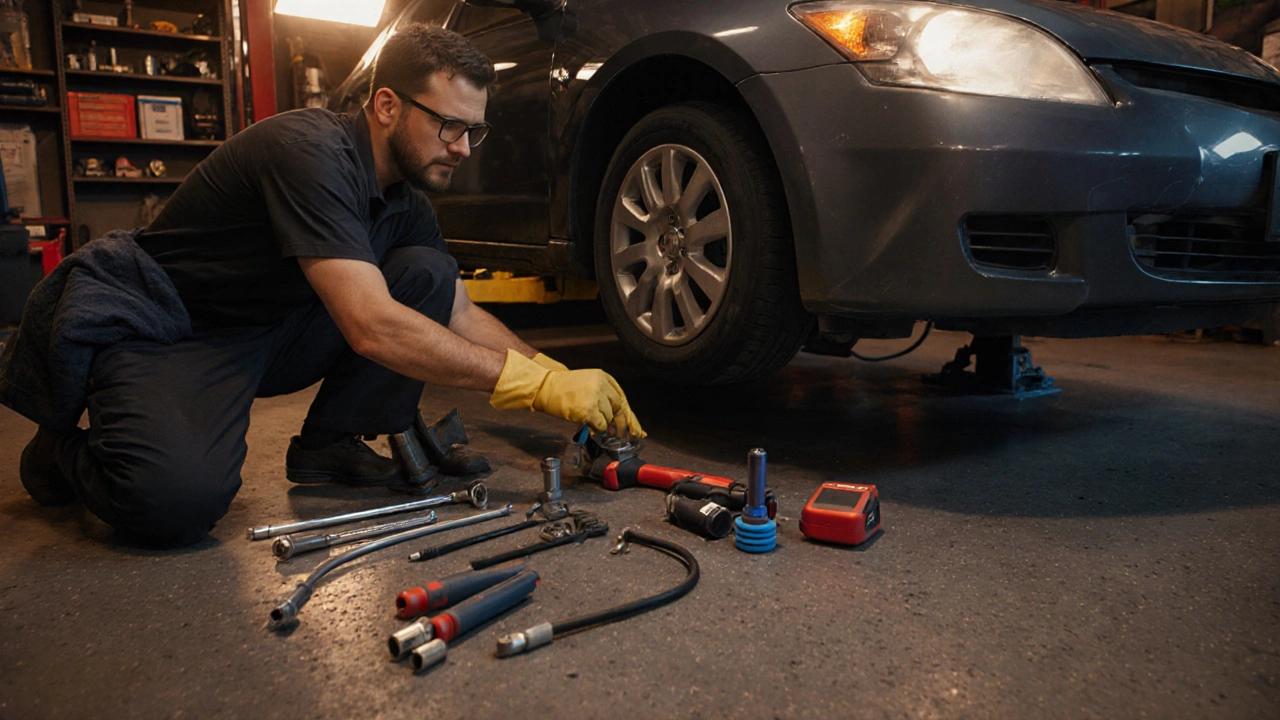
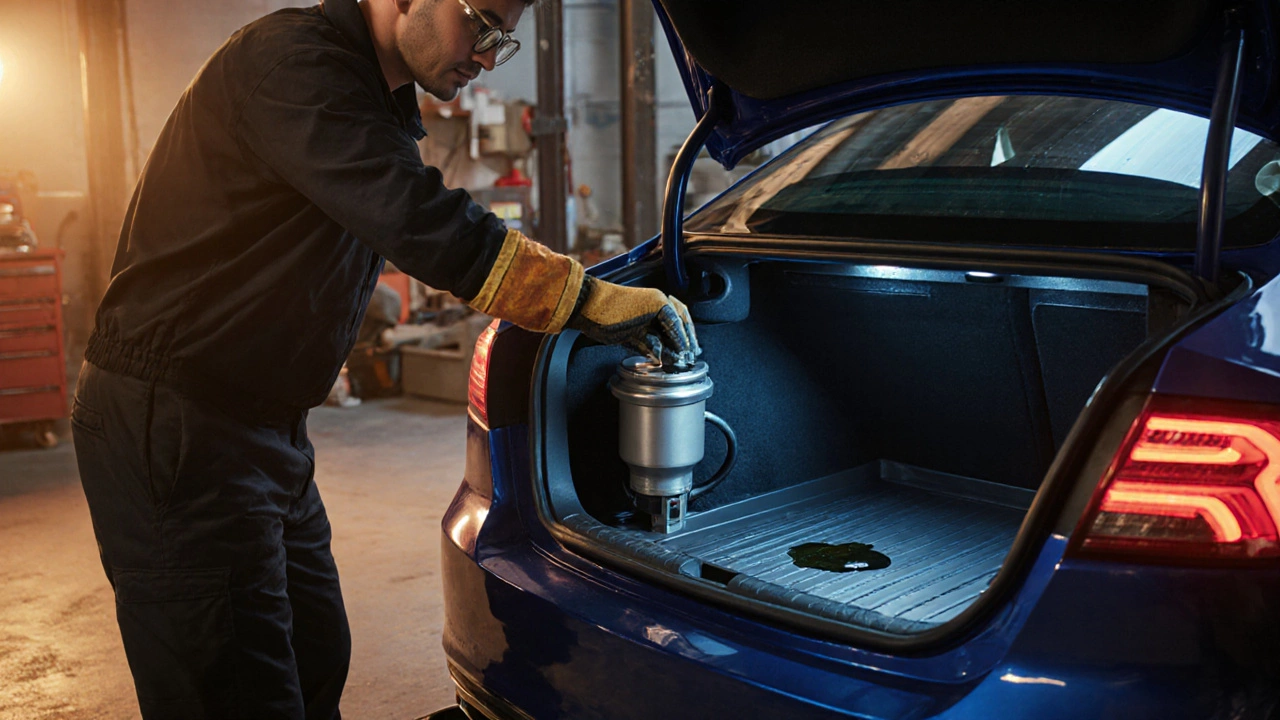
Replacing a fuel pump isn’t always a garage job. Many people do it themselves, but it’s not as simple as swapping a battery. You need to know if the tank needs to be empty, how to safely disconnect the fuel lines, and whether your car even lets you access the pump without dropping the tank. Repair time? It can take 2 hours or 6—depending on your car model and how much fuel is left in the tank. And no, you don’t always need to drain it completely, but doing it right means avoiding fuel spills, fire risks, and a messy garage.
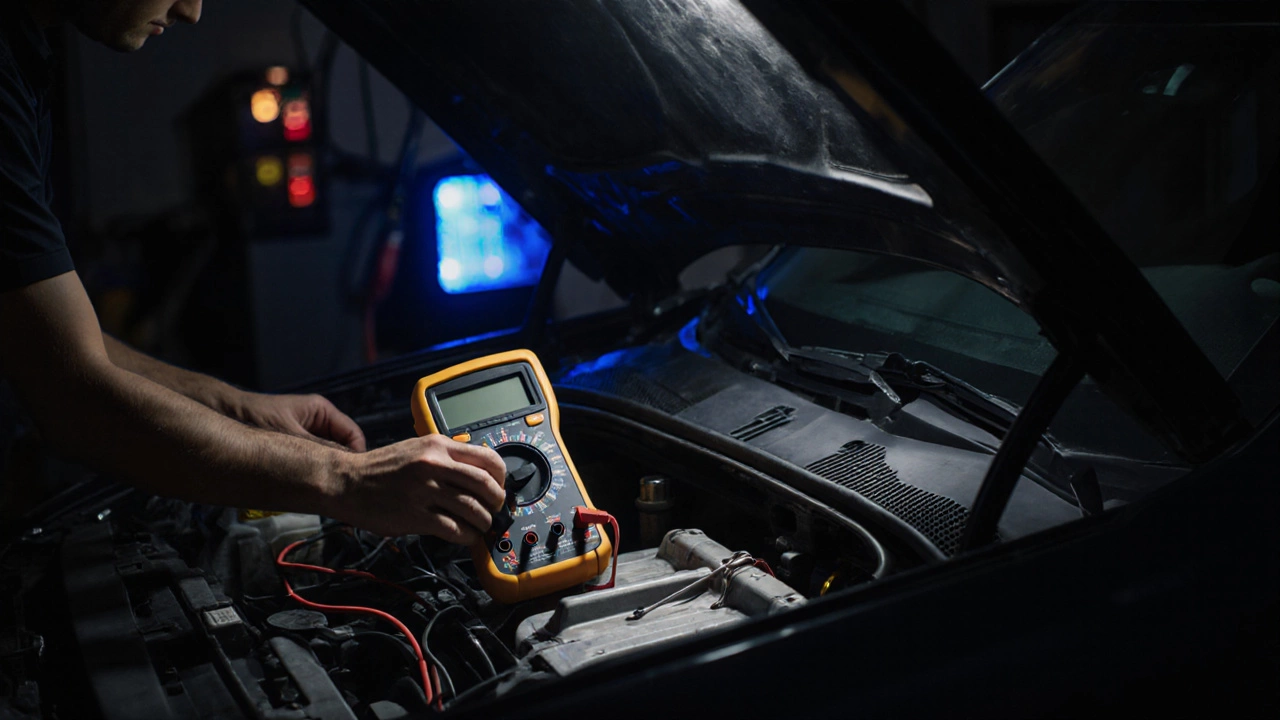
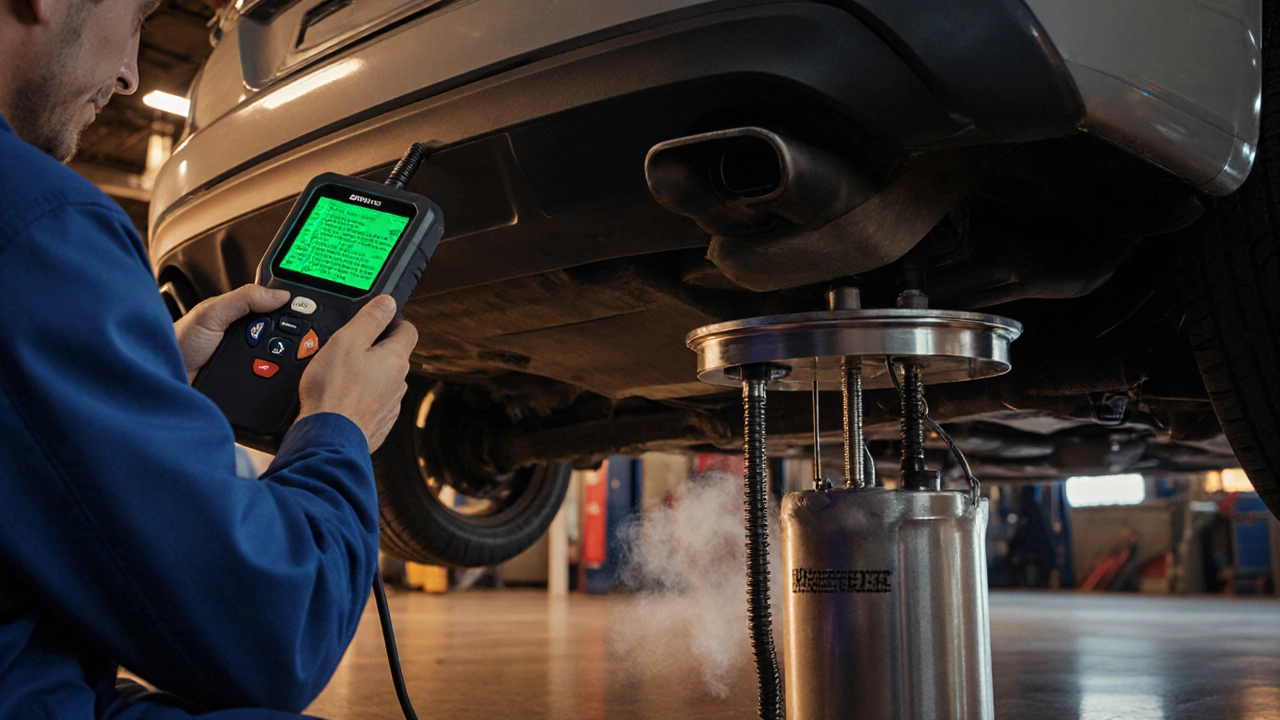
What you’ll find below isn’t theory. It’s what actually happens when a fuel pump dies. How to test it yourself. What the real symptoms are—beyond the vague "car won’t start" advice you get from forums. Whether you’re trying to save money, avoid a tow truck, or just understand why your car is acting up, these guides give you the straight facts. No fluff. No guesswork. Just what works.