Clutch Replacement Cost & Labor Estimator
Remove the guesswork from your clutch repair. Select your vehicle details below to get an instant estimate of labor time and potential savings.
Vehicle Details
Estimated Costs & Time
Select options to calculate.
Includes parts + labor (est.)
Here is the short answer that saves you hours of guessing: yes, in almost every modern vehicle, you have to remove the transmission to replace the clutch. The clutch assembly sits directly between the engine and the gearbox. There is no side hatch, no secret panel, and no way to reach the friction disc without pulling the heavy metal box off the back of your engine.
But wait-before you panic about the cost or complexity, there are exceptions. A tiny handful of vehicles allow access through a bell housing inspection cover, and some front-wheel-drive cars let you drop the subframe instead of fully extracting the transmission. If you are staring at a slipping clutch pedal right now, understanding exactly what "removing the transmission" entails will help you decide whether to tackle this job yourself or hand it over to a mechanic.
Why the Transmission Must Come Out
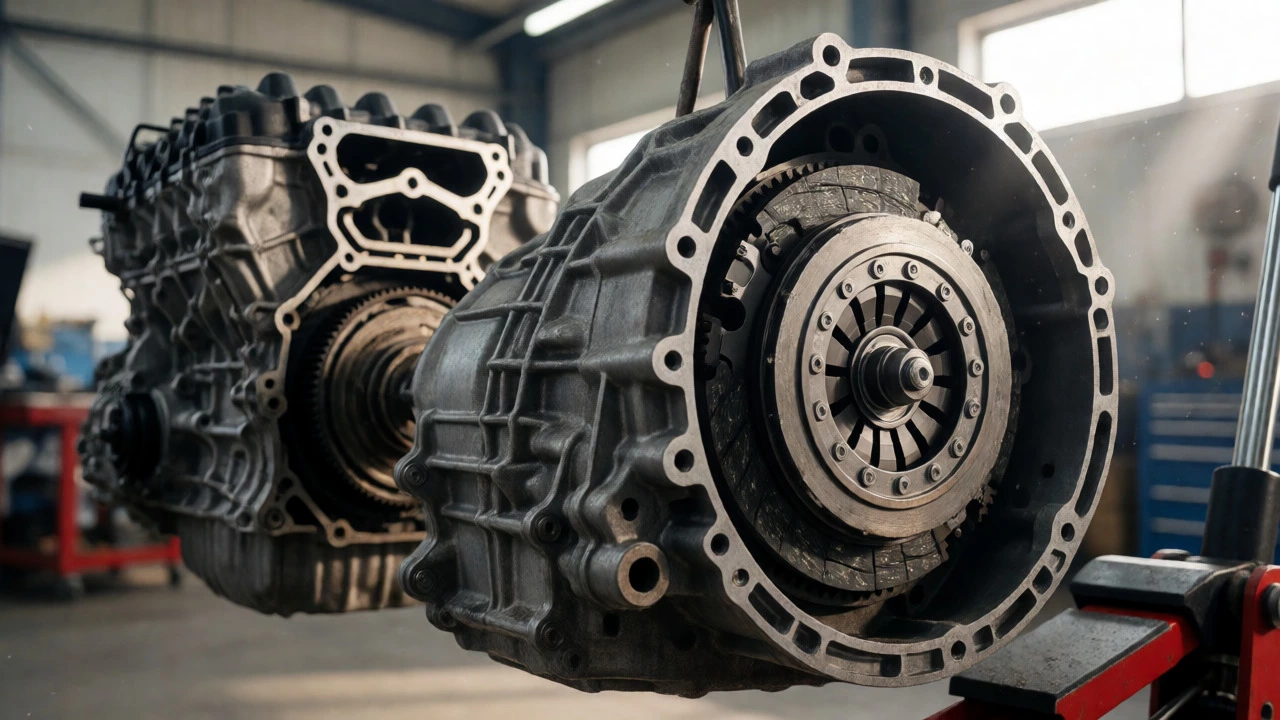
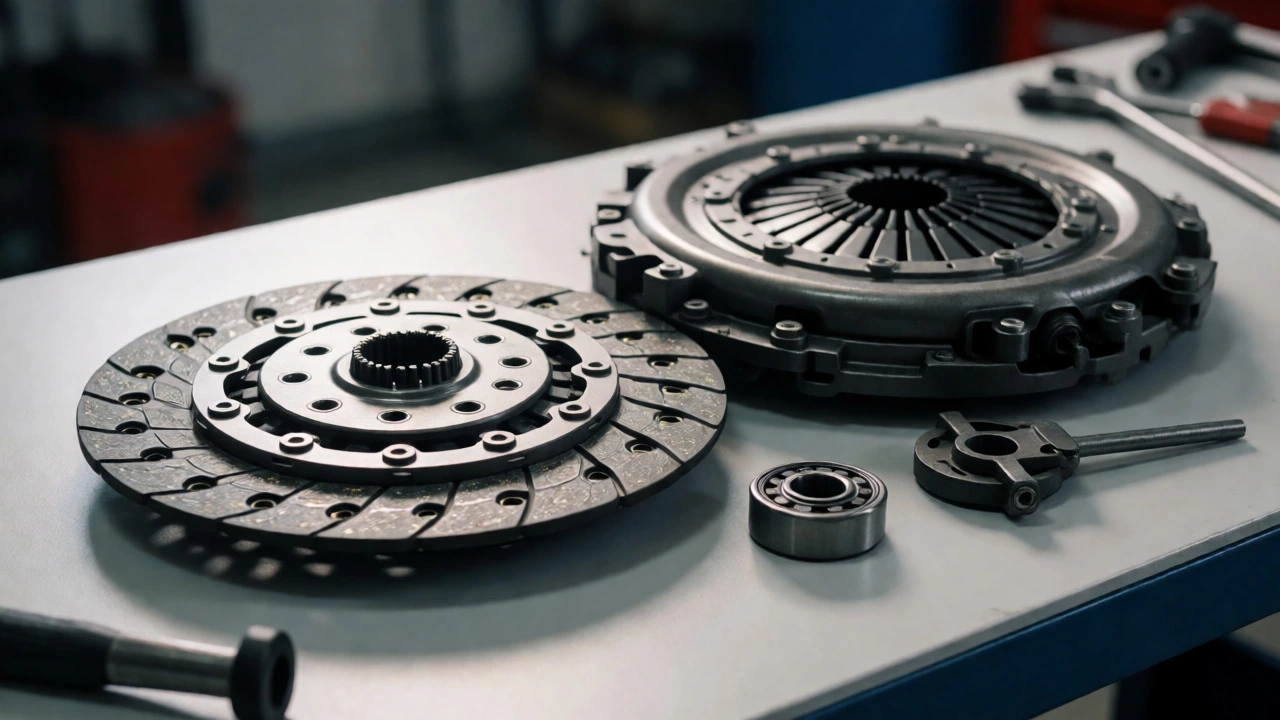
To understand why this job is so invasive, look at where the parts live. The clutch is a mechanical device that connects and disconnects the rotating flywheel of the engine from the input shaft of the manual transmission. It consists of three main components: the pressure plate, the clutch disc, and the release bearing.
- The Flywheel: Bolted to the crankshaft, it spins with the engine.
- The Pressure Plate: Bolted to the flywheel, it clamps the disc against it.
- The Clutch Disc: Sandwiched between the two, it has friction material on both sides.
- The Release Bearing: Pushes against the pressure plate fingers to disengage the clutch.
All these parts are enclosed inside the bell housing, which is the rear part of the transmission casing. This casing bolts directly to the engine block. Unless you unbolt those connections and physically separate the two major assemblies, you cannot touch the clutch disc. It is physically impossible to slide a new disc into place while the transmission is still attached.
The Rare Exceptions: Inspection Covers
You might hear old-timers talking about changing a clutch without removing the gearbox. They aren't lying, but they are likely talking about very specific older vehicles or certain commercial trucks. Some cars, like certain models of the Volkswagen Golf Mk1 or older Toyota Hilux variants, feature a removable plug or small access door on the bottom of the bell housing.
If your car has one of these covers, you can rotate the flywheel using a socket on the crankshaft bolt until the clutch disc's rivets align with the hole. Then, using a special tool, you can compress the pressure plate springs and swap the disc. However, this method is risky. You cannot inspect the flywheel for heat cracks, you cannot easily replace the pilot bearing (if equipped), and you definitely cannot replace the throw-out bearing if it is leaking grease or making noise. For most modern cars manufactured after 1995, this option simply doesn't exist.
What "Removing the Transmission" Actually Means
When mechanics say they need to pull the transmission, they don't mean lifting it out like a Lego brick. It involves a systematic teardown of everything connected to it. Here is what actually happens during the process:
- Disconnecting Drivetrain Components: In front-wheel-drive cars, the axles (CV joints) must be unbolted from the differential flanges. In rear-wheel-drive cars, the driveshaft is unbolted from the output shaft.
- Releasing Linkages: The shift linkage cables or rods that connect the gear stick in the cabin to the selector forks on the gearbox are detached.
- Unbolting Mounts: The transmission mount, which holds the weight of the gearbox, is unbolted from the chassis. Often, the crossmember supporting this mount must also be removed.
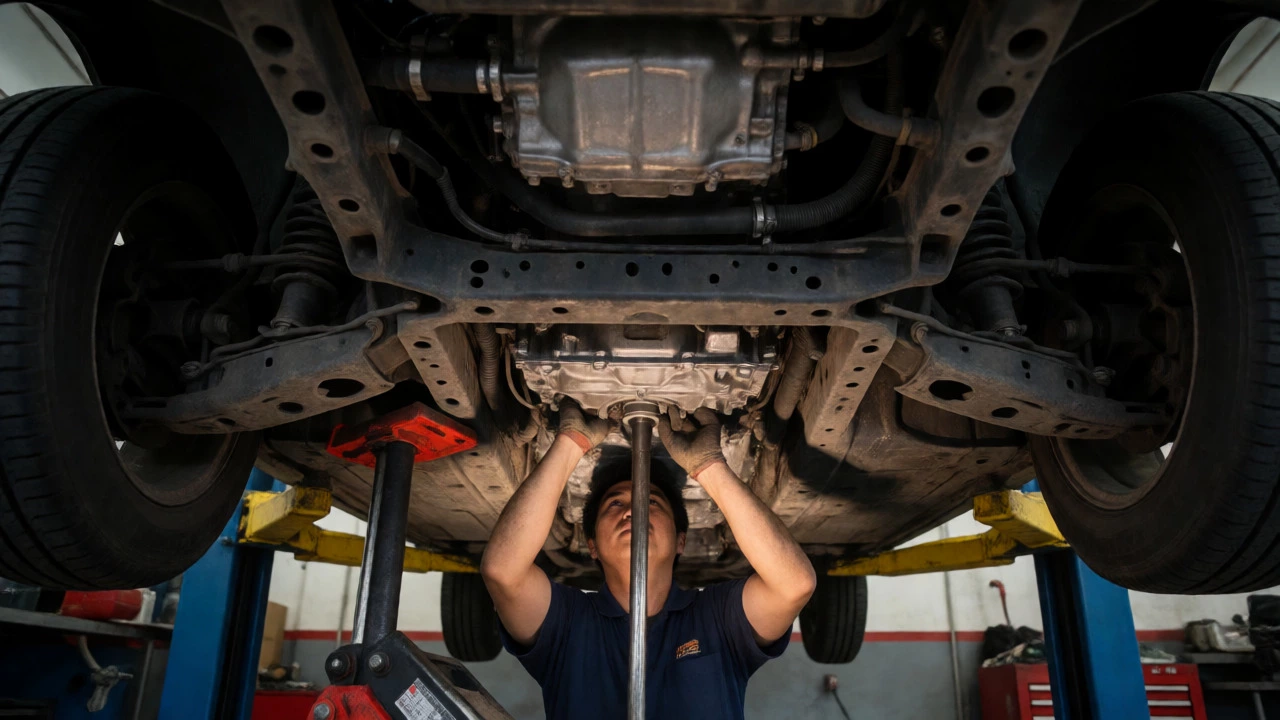
- Separating Engine and Gearbox: Finally, the bolts holding the bell housing to the engine block are undone. A jack supports the transmission as it is lowered away from the engine.
This sequence explains why labor costs for clutch replacement are high. It isn't just about swapping a $200 part; it's about spending four to six hours undoing dozens of fasteners, dealing with seized bolts, and reassembling everything correctly.
| Drive Configuration | Transmission Removal Difficulty | Typical Labor Hours | Key Challenge |
|---|---|---|---|
| Rear-Wheel Drive (RWD) | Moderate | 4-6 hours | Aligning driveshaft and managing exhaust system clearance. |
| Front-Wheel Drive (FWD) | Hard | 5-8 hours | Subframe often needs dropping; CV axle splines can seize. |
| All-Wheel Drive (AWD) | Very Hard | 7-10 hours | Transfer case separation and complex wiring harness routing. |
Can You Drop the Subframe Instead?
In many front-wheel-drive vehicles, such as Honda Civics, Ford Focuses, or Mazda3s, you do not technically lift the entire transmission out of the engine bay. Instead, you unbolt the subframe (the structural beam under the engine) and lower it slightly. This creates enough space to tilt the transmission downward and pull it out from underneath.
Does this count as "removing the transmission"? Yes. The unit is completely separated from the engine. The difference is logistical rather than mechanical. Dropping the subframe avoids having to maneuver the heavy gearbox around tight engine bay corners, but it requires more precise alignment when reinstalling. If you misalign the subframe bushings, your steering geometry will be off, leading to uneven tire wear and wandering handling.
Related Parts You Should Replace While You're There
Since you are already paying for the labor to open up the drivetrain, replacing only the clutch disc is false economy. Most professional mechanics insist on a complete clutch kit which includes the pressure plate and release bearing. But the list doesn't stop there.
Consider replacing these components simultaneously:
- Pilot Bearing: Located in the center of the flywheel, it supports the end of the transmission input shaft. If it fails, the transmission won't engage smoothly. Replacing it costs pennies but takes time to access later.
- Flywheel: If your flywheel is dual-mass (common in diesels), it may have worn internal dampers. Resurfacing a single-mass flywheel is cheap; replacing a dual-mass unit is expensive but necessary if it rattles.
- Shifter Seals: Old seals leak transmission fluid onto the hot exhaust manifold, creating a burning smell and slippery mess.
- Clutch Slave Cylinder: On hydraulic systems, this component often fails due to age. If it leaks, your new clutch will fail prematurely due to lack of pressure.
DIY vs. Professional Repair: Making the Decision
Should you try this yourself? That depends entirely on your garage setup and experience level. This is not a job for a first-time DIYer unless you have a helper and proper tools.
You will need:
- A hydraulic transmission jack (not just a standard floor jack).
- Engine support bar (to hold the engine steady when the subframe drops).
- Torque wrench (critical for flywheel bolts).
- Alignment tool for the clutch disc (prevents dragging gears).
If you attempt this alone, lowering a 60kg transmission without a jack stand support is dangerous. If you skip the alignment tool, the clutch disc may not center properly, causing the input shaft to refuse to enter the splines. This leads to frustration and potential damage to the new clutch facings.
Common Pitfalls That Ruin New Clutches
Even if you successfully remove the transmission and install a new kit, mistakes during reassembly can kill the part within months. Here are the top errors seen in workshops across Australia:
- Contaminating Friction Surfaces: Touching the clutch disc friction material with bare hands leaves oil. Even skin oils can cause slipping. Always use gloves.
- Ignoring Flywheel Runout: If the flywheel surface is warped or scored beyond limits, the new pressure plate won't clamp evenly. Measure flatness with a dial indicator.
- Over-Tightening Bell Housing Bolts: Uneven torque can warp the mating surfaces, causing vibration and noise.
- Skipping Break-In: Modern organic clutches require a break-in period. Avoid aggressive launches or towing heavy loads for the first 500 kilometers.
Final Verdict
So, do you have to remove the transmission to replace the clutch? For 95% of drivers, yes. The physical layout of the engine and gearbox demands it. While the task sounds daunting, it is a routine maintenance procedure for any skilled mechanic. If you are handy with tools, patient, and have the right equipment, it is a satisfying weekend project. If you value your time and want guaranteed reliability, paying for professional labor ensures the job is done right the first time.
How long does it take to replace a clutch?
For a professional mechanic, expect 4 to 6 hours for rear-wheel-drive cars and 6 to 8 hours for front-wheel-drive cars. DIY enthusiasts should budget 10 to 15 hours due to learning curves and unexpected seized bolts.
Can I drive with a bad clutch?
You can drive briefly, but avoid high speeds or steep hills. A slipping clutch generates excessive heat, which can crack the flywheel and damage the transmission input shaft bearings. If the clutch pedal goes to the floor, you cannot move the car safely.
Is it cheaper to replace the clutch myself?
Yes, potentially saving $500-$1,000 in labor. However, you must account for tool rental costs (transmission jack, alignment tool) and the risk of error. If you make a mistake, professional repair rates apply anyway.
Do I need to change the flywheel with the clutch?
Not always, but usually recommended. Single-mass flywheels can be resurfaced if within thickness limits. Dual-mass flywheels often need replacement if they show signs of wear or rattle, as they are sealed units and cannot be machined effectively.
Why does my new clutch slip immediately?
Immediate slipping usually indicates contamination (oil/grease on the disc), incorrect installation order, or a defective pressure plate. Check for oil leaks from the rear main seal or transmission input shaft seal before blaming the clutch kit.