Brake Pad Lifespan Estimator
Use this tool to estimate the remaining life of your brake pads or predict when you might need a replacement. Adjust the sliders to match your driving conditions.
1. Select Pad Material
2. Driving Conditions
Estimated Lifespan
- Expected Range:
- Key Factor:
- Tip:
You check your rearview mirror, hit the brakes at a red light, and hear that faint squeak. It’s the sound every driver dreads because it usually means one thing: your brake pads are getting thin. But here is the million-dollar question-or rather, the thousand-mile question-how long should they actually last? You’ve probably heard numbers ranging from 20,000 to 70,000 miles. That range is so wide it’s basically useless. If you’re planning your maintenance budget or just trying to avoid being stranded on the highway, you need real answers, not vague estimates.
Key Takeaways
- Average Lifespan: Most drivers get between 30,000 and 70,000 miles per set of pads, depending heavily on driving style and material type.
- Material Matters: Ceramic pads generally last longer than organic ones but cost more; semi-metallic offers a middle ground with better heat tolerance.
- Driving Style is King: Aggressive braking and city stop-and-go traffic can cut pad life in half compared to steady highway cruising.
- Warning Signs: Don’t wait for the grinding noise. Listen for squealing (wear indicators) or feel for pulsing pedals early.
- Rotor Health: Bad rotors destroy new pads quickly. Always inspect or replace rotors when changing pads to ensure maximum mileage.
The Real Numbers Behind Pad Wear
Let’s cut through the marketing fluff. There is no single "correct" number because brake pads aren’t like tires with a uniform tread depth rating. They are friction materials designed to sacrifice themselves to stop your car’s momentum. The National Highway Traffic Safety Administration doesn’t set a specific mileage standard, but automotive engineers and mechanic data give us solid benchmarks. For the average commuter mixing city and highway driving, you can expect organic or low-metallic NAO pads to last roughly 25,000 to 40,000 miles. These are the soft compounds often found on older Japanese and European vehicles.
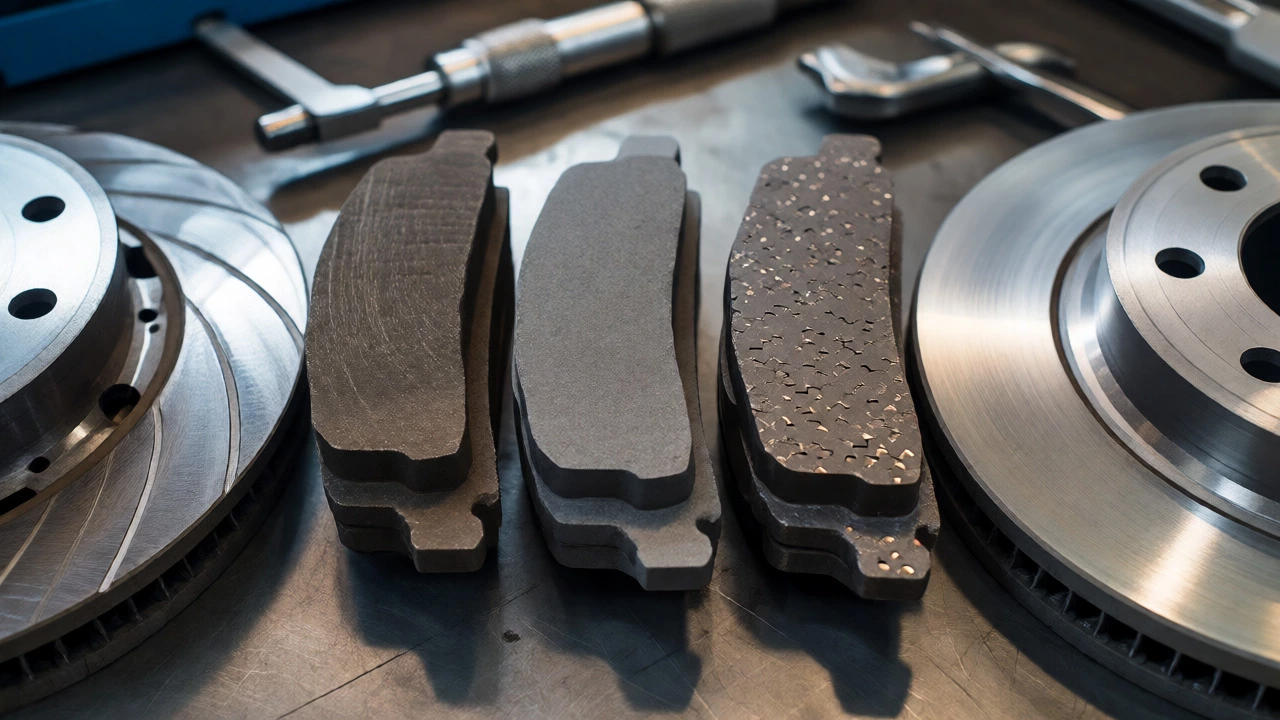
If you switch to ceramic brake pads, which are denser and produce less dust, you might push that to 40,000-60,000 miles. High-performance semi-metallic pads, common in trucks and sports cars, can go even further-sometimes up to 70,000 miles-but they run hotter and can be harder on your rotors. Notice the trend? The harder the material, the longer it lasts, but the more it demands from the rest of your braking system.
Why Your Driving Habits Matter More Than Brand Name
You could buy the most expensive Brembo pads on the market, but if you drive like a rally racer, they’ll burn out fast. Conversely, cheap factory pads can last surprisingly long if you treat them right. The physics are simple: kinetic energy turns into heat. Every time you slam on the brakes from 60 mph, you generate massive heat. If you do this ten times a day, those pads degrade faster than someone who coasts to stops.
City driving is the biggest killer of brake life. Stop-and-go traffic forces constant micro-adjustments and hard stops. A study by the Federal Highway Administration suggests that urban driving involves significantly more braking events per mile than rural or highway driving. If you live in Adelaide, Sydney, or Melbourne and spend hours in traffic, expect to replace pads closer to the 30,000-mile mark. Highway warriors, who use engine braking and coast more, often stretch that to 60,000+ miles.

Material Comparison: Which Pad Fits Your Life?
Choosing the right pad isn’t just about price; it’s about matching the material to your environment. Let’s look at the three main types you’ll encounter at the auto parts store.
| Pad Type | Typical Lifespan (Miles) | Dust Production | Noise Level | Best For |
|---|---|---|---|---|
| Organic (NAO) | 25,000 - 40,000 | Moderate | Quiet | Standard commuting, mild climates |
| Ceramic | 40,000 - 60,000+ | Low | Very Quiet | City driving, keeping wheels clean |
| Semi-Metallic | 30,000 - 70,000 | High | Moderate/Loud | Towing, heavy loads, high heat |
Ceramic pads are the sweet spot for most modern passenger cars. They resist fade (loss of braking power due to heat) better than organics and don’t leave black streaks on your shiny alloy wheels. However, they transfer more heat to the rotor. If your rotors are old or warped, ceramic pads won’t save you. Semi-metallic pads contain steel fibers, making them tough. They are great for towing a boat or hauling gear, but they can be noisy and eat up rotor surface faster.
Signs Your Pads Are Nearing the End
Don’t rely solely on the odometer. Your car talks to you; you just have to listen. The most common myth is that you should wait until you hear metal-on-metal grinding. By then, you’ve likely damaged your rotors, turning a $150 job into a $500 repair.
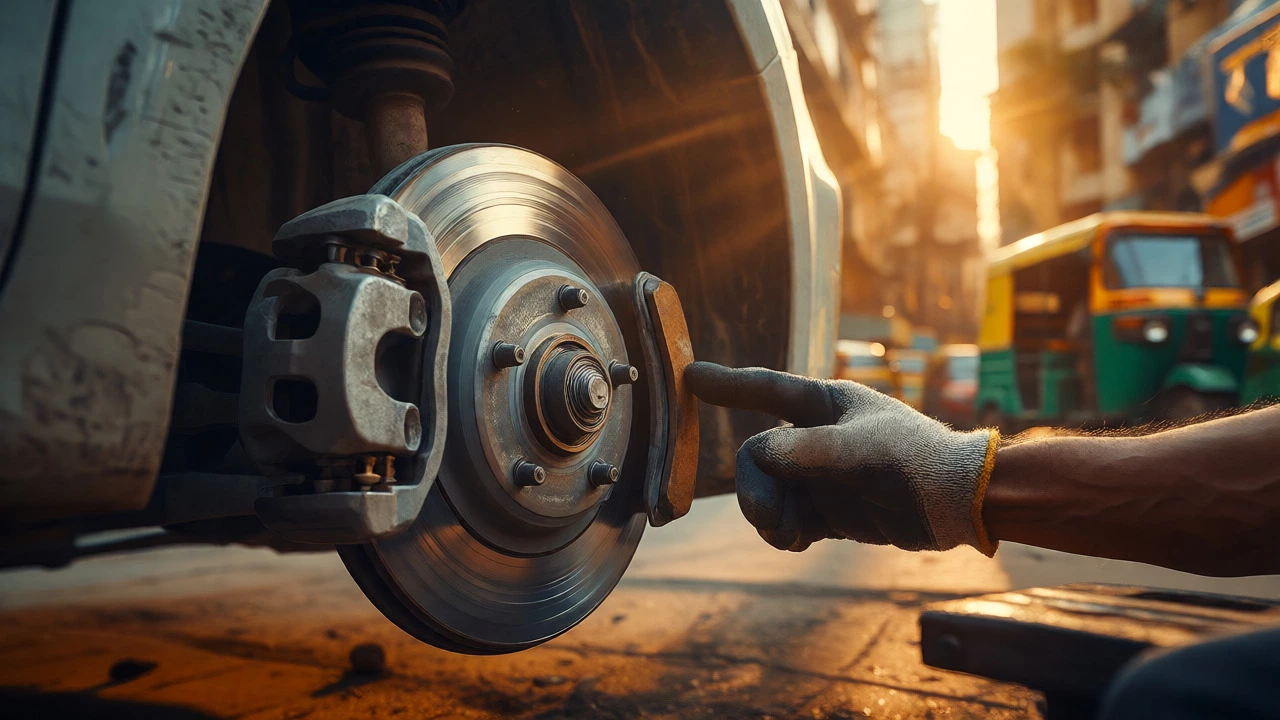
Listen for the wear indicator. This is a small metal tab attached to the pad. When the friction material wears down to about 3mm, this tab scrapes against the rotor, creating a high-pitched squeal. Some manufacturers also use electronic sensors that trigger a dashboard light. If you hear a consistent squeal while driving (not just when cold), book an inspection immediately.
Another subtle sign is vibration. If your steering wheel or brake pedal shudders when you apply pressure, it’s often a sign of uneven pad wear or warped rotors. While this isn’t always a pad issue directly, it indicates the braking interface is compromised. Also, watch your brake fluid level. As pads wear down, the caliper pistons extend further, requiring more fluid in the reservoir. If your fluid level drops noticeably, your pads are likely thin.
How to Maximize Your Brake Pad Mileage
You can’t change the laws of physics, but you can change how you interact with them. The best way to double your pad life is to master the art of anticipatory driving. Look far ahead. If you see a red light two blocks away, take your foot off the gas early. Let the car slow down naturally before you touch the brake pedal. This reduces the thermal load on the pads.
Engine braking is another free tool. Downshifting in manual cars or using lower gears in automatics helps slow the vehicle without touching the brakes. This is especially useful on long downhill grades. Never ride the brakes. Keeping slight pressure on the pedal keeps the pads in contact with the hot rotors, causing premature wear and overheating. Keep your foot flat on the floor unless you are actively stopping.
Finally, keep your wheels clean. Brake dust contains metallic particles that can corrode over time. Washing your wheels regularly prevents buildup that can interfere with caliper movement. Stuck calipers cause one pad to wear much faster than the other, leading to uneven braking and shorter overall lifespan.
When to Replace Rotors Along With Pads
A common mistake is replacing only the pads. If your rotors are scored, grooved, or below their minimum thickness specification, new pads will not make proper contact. This leads to reduced braking efficiency and rapid failure of the new pads. Mechanics measure rotor thickness with a micrometer. If the rotor is near its discard thickness, replace it.
In Australia, where temperatures can soar, heat management is critical. Overheated rotors warp, causing pulsation. It is almost always cheaper to resurface rotors if they have enough meat left, but replacement is safer and ensures perfect flatness. Think of the pads and rotors as a team. If one player is injured, the whole defense fails. Replacing both ensures you get the full mileage potential out of the new components.
Do front or rear brake pads wear out faster?
Front brake pads typically wear out faster than rear pads. This is because during braking, weight transfers forward, putting about 70% of the braking force on the front wheels. Rear pads handle the remaining 30%, so they last longer. In some cases, you might replace front pads twice for every one rear pad replacement.
Can I drive on worn brake pads?
You can drive on pads that are still within safe limits (above 3mm thickness), but once you hear grinding, you are damaging your rotors. Driving with completely gone pads causes metal-to-metal contact, which ruins the rotor surface and can lead to brake fade or failure in emergency situations. It is unsafe to ignore grinding noises.
How does weather affect brake pad life?
Rain and snow can actually help cool brakes, potentially extending life slightly. However, road salt used in winter can accelerate corrosion of the caliper slides and hardware, leading to sticking pads that wear unevenly. In dry, dusty environments, grit can get trapped between the pad and rotor, acting like sandpaper and increasing wear rates.
Is it worth buying premium brake pads?
For most daily drivers, mid-range ceramic pads offer the best value. Premium performance pads are designed for track use or heavy towing. Unless you tow heavy loads or drive aggressively, paying extra for top-tier racing pads may result in louder operation and higher cost without significant longevity benefits for normal street driving.
How often should I check my brake pads?
Inspect your brake pads every time you rotate your tires, which is usually every 5,000 to 8,000 miles. Many mechanics will visually check them during oil changes. If you notice any change in pedal feel or unusual noises, get them checked immediately regardless of mileage.