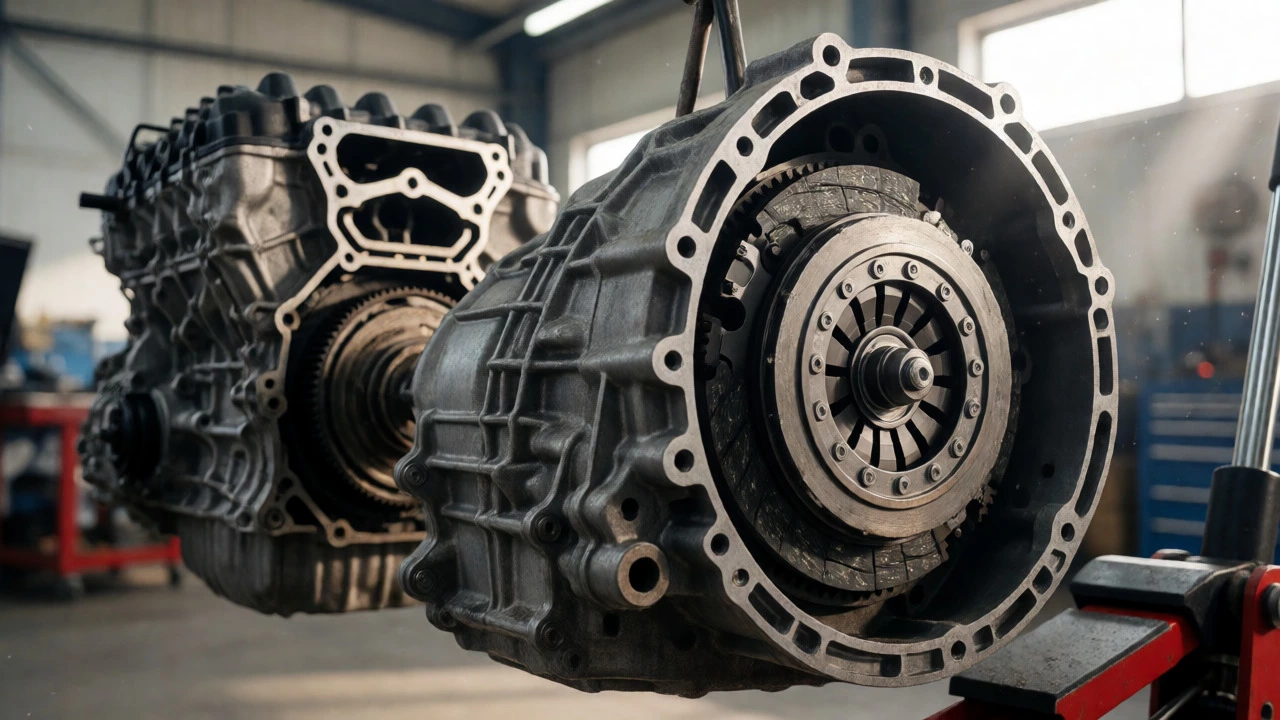
Do You Have to Remove the Transmission to Replace the Clutch?
Learn why transmission removal is required for clutch replacement in most cars. Discover exceptions, labor tips, and related parts to save money.
View moreWhen you press the pedal in a manual car, you’re not just changing gears—you’re engaging the clutch kit, a set of components that connects the engine to the transmission, allowing smooth gear shifts and power transfer. Also known as a clutch assembly, it’s one of the few parts in your car that wears out from normal use—and if you ignore the signs, it can leave you stranded with a much bigger bill.
A clutch kit isn’t just one part. It includes the clutch disc, pressure plate, release bearing, and sometimes the pilot bearing. But here’s what most people miss: when the clutch goes, the flywheel, the heavy metal disc bolted to the engine crankshaft that stores rotational energy and smooths out power delivery. Also known as a engine flywheel, it often gets scored, warped, or cracked at the same time. Replacing just the clutch without checking the flywheel is like putting new tires on a bent rim—it won’t last. And if your clutch is burning out faster than expected, it’s not just about driving style. Aggressive launches, riding the pedal, or even a misadjusted cable can kill it in under 20,000 miles.
Clutch failure doesn’t always scream for attention. Sometimes it just whispers: a slight delay when shifting, a faint burning smell after stop-and-go traffic, or a pedal that feels softer than it used to. But when you start hearing grinding or clunking noises—especially when the car is in neutral—that’s the release bearing, the component that pushes against the pressure plate to disengage the clutch. Also known as a throw-out bearing, it’s often the first to go when the clutch is stressed failing. And if your car slips out of gear under load, or you can’t get into first without grinding, you’re not just being clumsy—you’re fighting a worn-out clutch kit.
You’ll find posts here that break down exactly how fast a clutch can die, what real drivers do to shorten its life, and how to spot the early signs before it’s too late. You’ll also see how a bad flywheel can mimic clutch problems, why some people replace the entire kit even if only one part seems broken, and what tools you actually need if you’re doing it yourself. No fluff. No theory. Just what works on the road, in the garage, and in your wallet.
Learn why transmission removal is required for clutch replacement in most cars. Discover exceptions, labor tips, and related parts to save money.
View more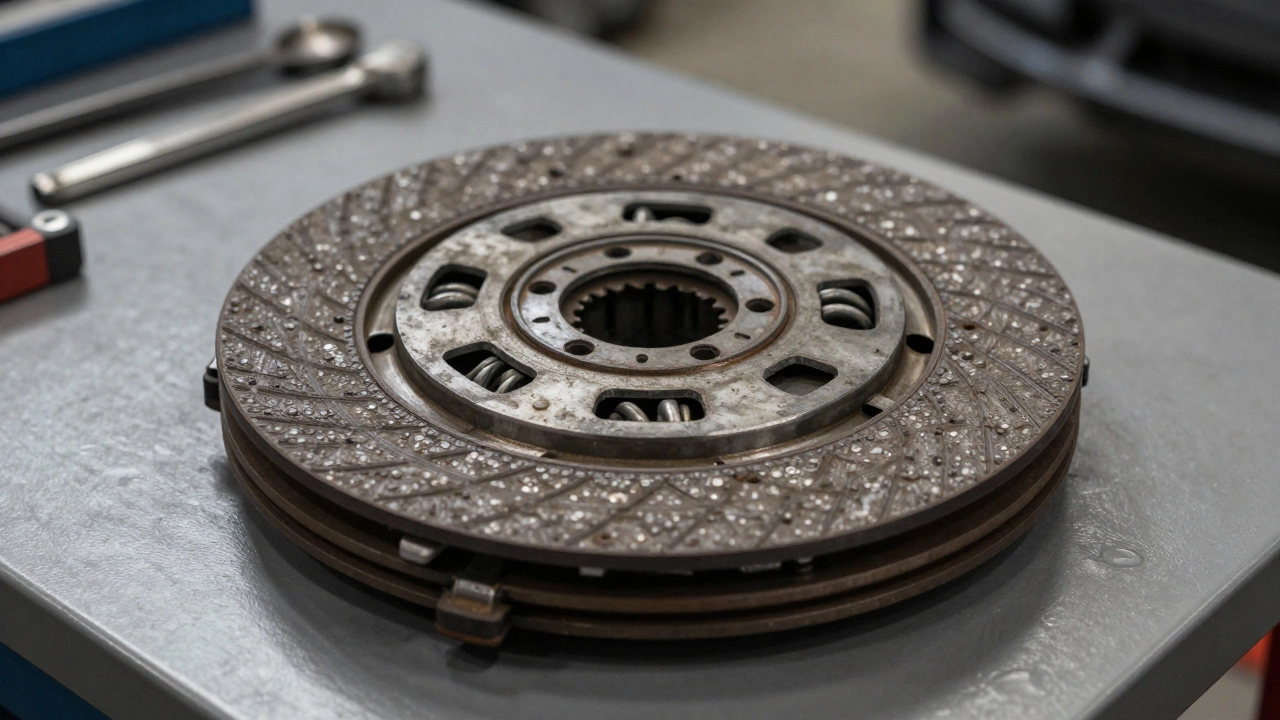
Discover if upgrading your clutch kit truly impacts performance. We break down OEM vs. aftermarket options, material differences, and installation tips to help you choose the right kit for your driving style.
View more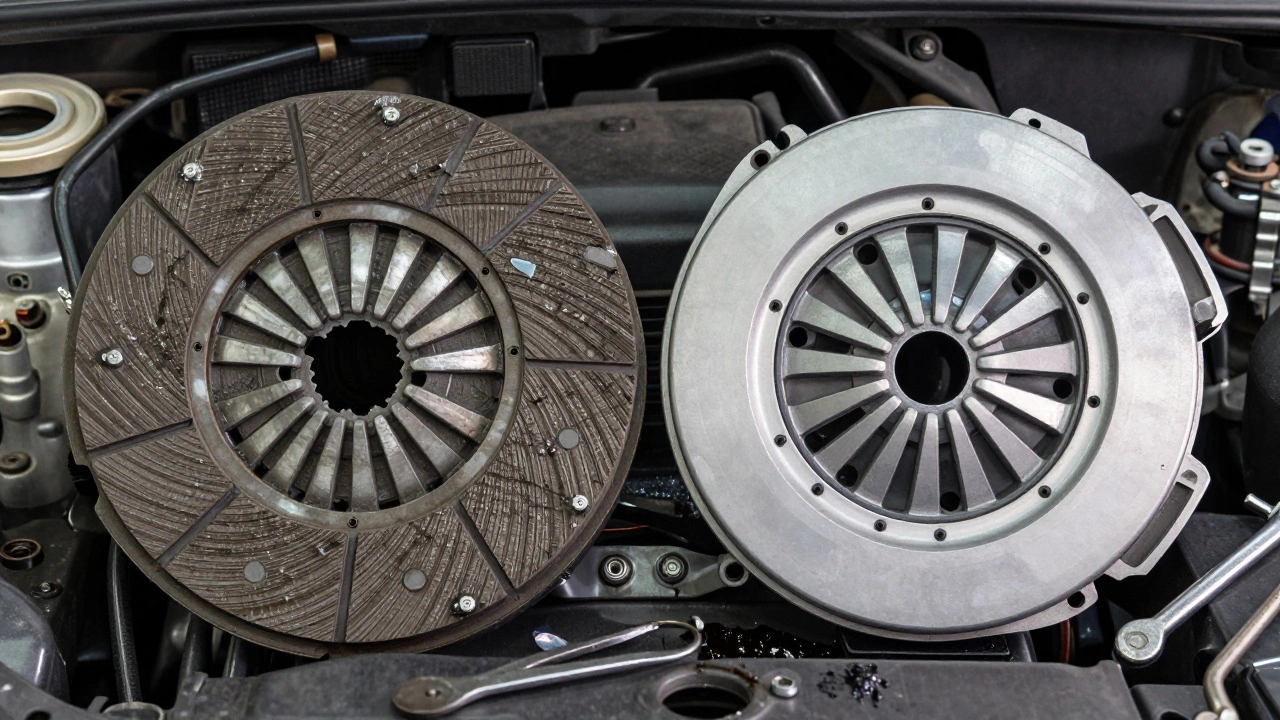
A new clutch doesn't add horsepower-it just makes sure your engine's power reaches the wheels without slipping. Learn the truth about clutch kits and performance gains.
View more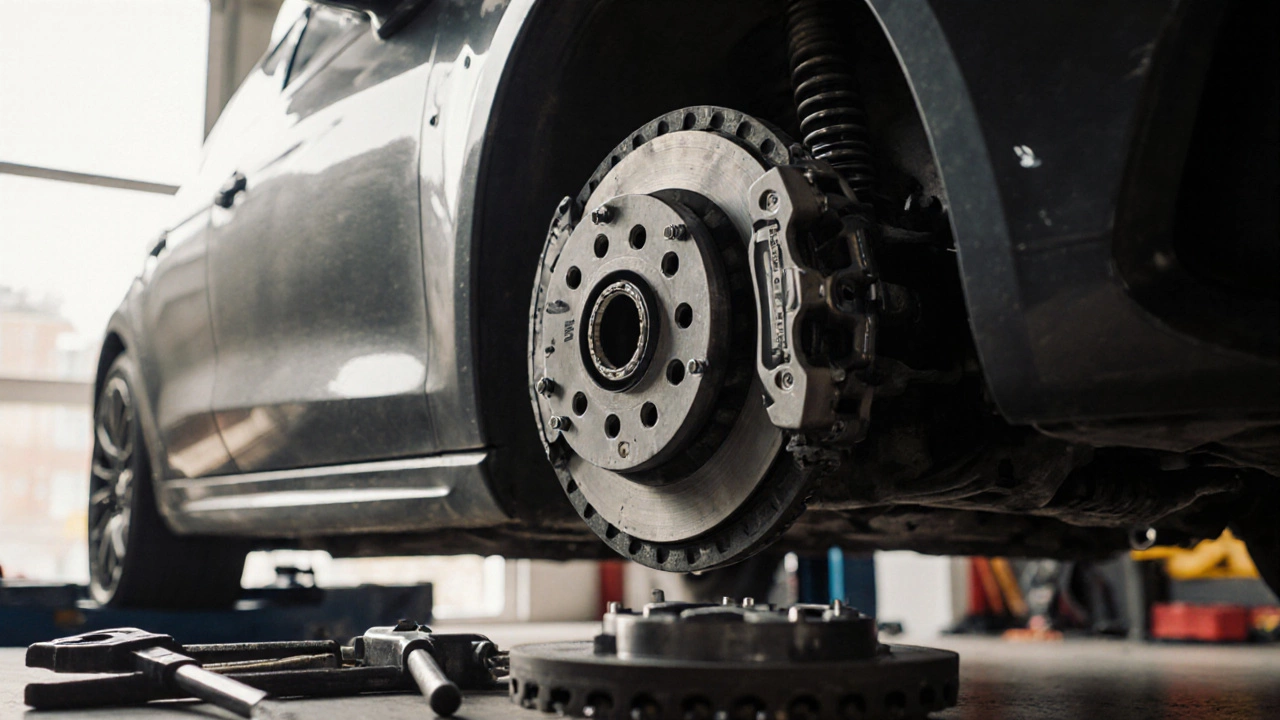
A stage 1 clutch is a performance upgrade for modified cars that handles more torque than stock while staying drivable every day. Perfect for light mods like tunes or intakes.
View more
Explore whether a clutch kit adds horsepower, how it impacts performance, and the real benefits of upgrading your clutch for any car lover or DIY mechanic.
View more
Wondering if a clutch can really last 200,000 miles? This article digs into the reality behind clutch longevity. Learn what factors decide how long a clutch survives, and grab practical tips to squeeze every mile out of your clutch kit. Avoid expensive repairs by understanding how your driving style and maintenance choices play a massive role. Real-world stories and expert advice highlight whether hitting 200k miles is possible—or just wishful thinking.
View more