Car Battery Cost Calculator (Australia)
Estimate the total cost of replacing your car battery based on type, installation method, and brand preference.
The Real Cost of Keeping Your Car Alive
There is nothing worse than turning the key in your ignition and hearing nothing but silence. That moment of panic usually comes with a second question: how much am I going to have to pay to fix this? If you are standing at the side of the road or browsing online parts stores, you need a realistic answer, not a guess. The short answer is that a standard car battery replacement in Australia typically costs between $150 and $300 if you do it yourself, or $250 to $450 if you hire a mechanic or mobile service.
However, "how much" depends entirely on what kind of vehicle you drive and what technology sits under your bonnet. We are no longer just buying simple lead boxes. Modern cars demand complex power management systems. Understanding the pricing tiers will save you from overpaying for features you don't need or underbuying and getting stranded again in three months.
Understanding Battery Types and Their Price Tags
Not all batteries are created equal. The price difference between a basic unit and a high-performance one can be double or triple. To get the right price, you first need to identify which type your car requires. Putting the wrong type in can damage your vehicle's electronics or simply fail to start the engine.
| Battery Type | Best For | Average Price Range (Parts Only) | Lifespan Expectancy |
|---|---|---|---|
| Flooded Lead-Acid (FLA) | Older cars, manual transmissions, budget vehicles | $120 - $200 | 3-5 years |
| Enhanced Flooded Battery (EFB) | Cars with mild hybrid systems or frequent stop-start traffic | $200 - $350 | 4-6 years |
| AGM (Absorbent Glass Mat) | Modern luxury cars, full hybrids, vehicles with many electronics | $350 - $600+ | 5-7 years |
| Lithium-Ion (Specialty) | High-performance sports cars, racing applications | $800 - $1,500+ | 7-10 years |
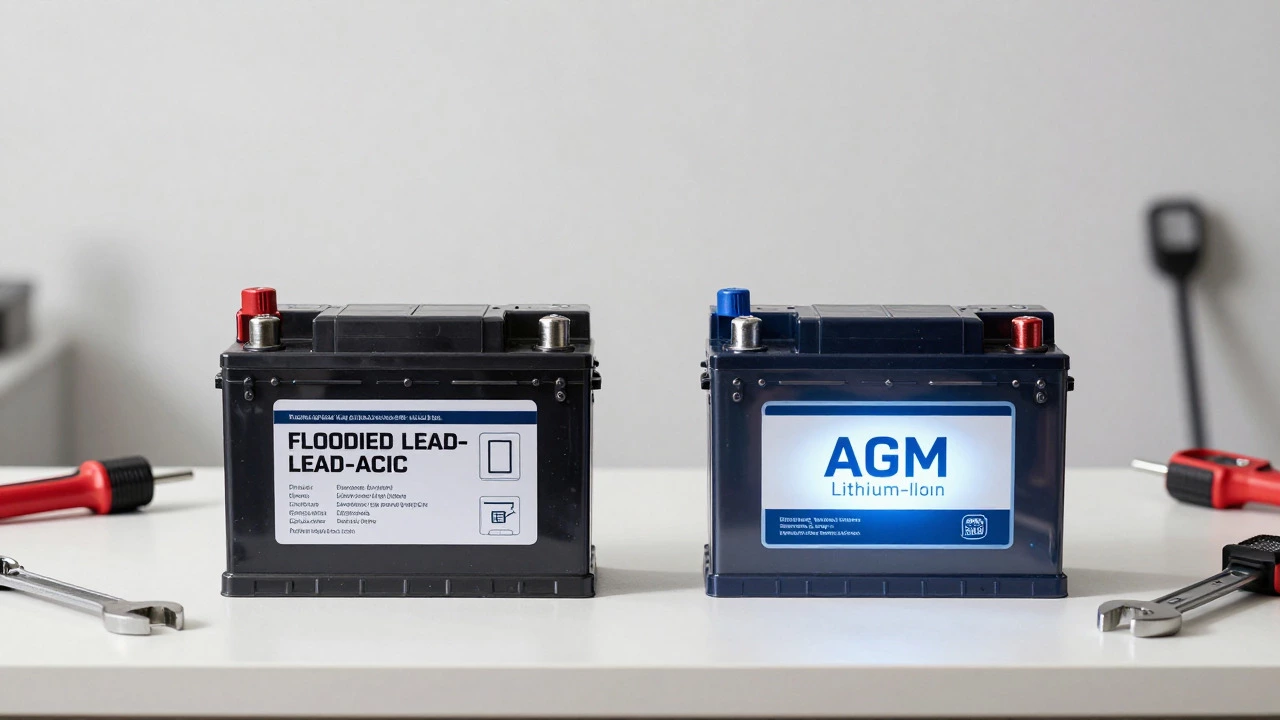
Flooded Lead-Acid (FLA) is the traditional battery type found in most older and economy vehicles. These are the cheapest options because the technology is mature and widely manufactured. They contain liquid electrolyte and require occasional maintenance, though most modern ones are sealed. If you drive a ten-year-old sedan without start-stop technology, this is likely what you need. The low price point makes them attractive, but they degrade faster in extreme heat.
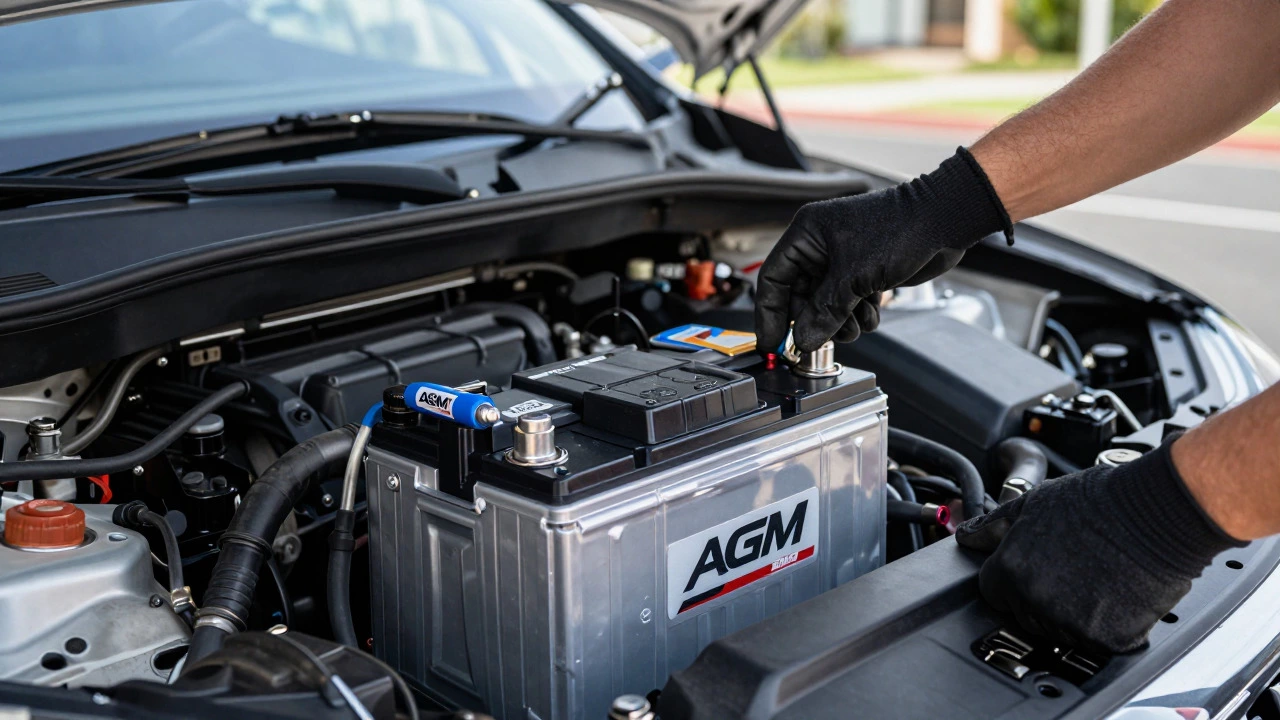
AGM Batteries are advanced units that use glass mat separators to absorb electrolyte, offering superior vibration resistance and faster charging. As Absorbent Glass Mat technology, these are mandatory for many cars built after 2015, especially those with automatic start-stop systems. They cost significantly more-often double the price of an FLA-but they handle the heavy electrical load of modern infotainment, safety sensors, and hybrid assist motors. Using a cheap FLA battery in a car designed for AGM will result in premature failure, costing you money in the long run.
Hidden Costs: Installation and Disposal Fees
The sticker price of the battery is rarely the final number you pay. When calculating your total expense, you must factor in labor and environmental fees. In Australia, battery disposal is regulated due to the toxic lead and acid content. Most retailers charge a core exchange fee if you don't bring back your old battery, or they include a small disposal surcharge in the installation cost.
If you choose to install the battery yourself, you save on labor, which typically ranges from $50 to $150 depending on the shop. However, DIY installation carries risks. You need the correct tools, knowledge of terminal polarity (positive and negative), and the ability to reset your car's electronic modules. Many modern cars lose their radio codes, window calibration, or engine timing settings when the power is cut. Resetting these might require a diagnostic tool, adding another hidden cost if you aren't prepared.
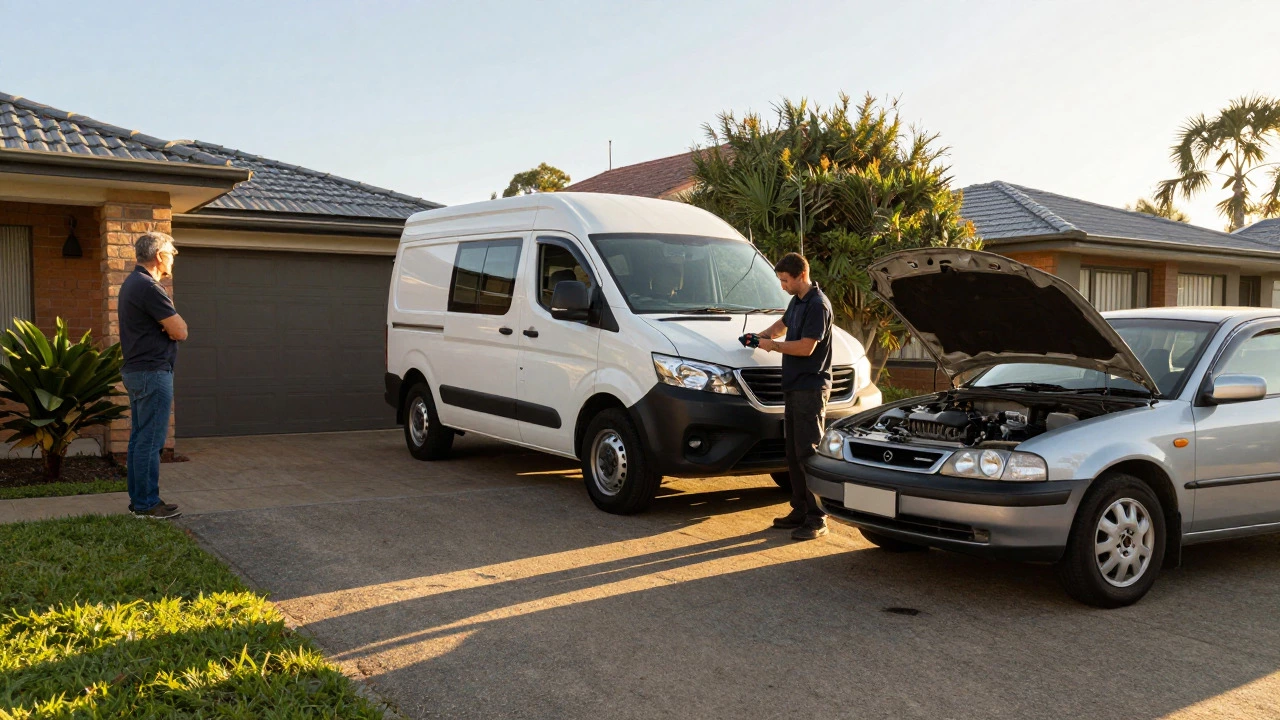
Mobile battery services offer a middle ground. Companies like Redbond or local auto electricians come to your home or office. They charge a premium for convenience, often adding $40 to $80 to the base price. But consider the value: no waiting in line, no risk of stripping bolts in a cramped engine bay, and immediate testing of your alternator to ensure it isn't the real culprit behind the dead battery.
Brand Value vs. Generic Options
You will see names like Bosch, Exide, Century, and Yuasa dominating the shelves. These brands command higher prices, but they also offer better warranty support and consistent quality control. A generic or "house brand" battery sold by a large retail chain might look identical and cost $30 less, but it often lacks the same internal plate density or cold-cranking amps (CCA) rating accuracy.
In Adelaide, where summer temperatures regularly exceed 40°C, battery chemistry is stressed. Heat causes the electrolyte to evaporate and the plates to corrode faster. Premium brands often use thicker plates and better separators to combat this thermal degradation. Paying an extra $50 for a reputable brand can extend the life of the battery by a year or more, making the cost per month lower than a cheaper alternative that dies in eighteen months.
When to Buy Now vs. Wait
Timing affects price. If your battery is showing signs of weakness-slow cranking, dim headlights, or the check engine light flickering-don't wait until it fails completely. Buying a battery while the car still starts allows you to compare prices calmly and ensures you get the correct fitment. Emergency purchases at midnight from a roadside assistance provider will always carry a markup.
Additionally, keep an eye on seasonal sales. Retailers often discount batteries during winter preparation periods or major holiday sales events. While a battery is a necessity, having one spare in stock during a sale can be a smart financial move if you own multiple vehicles.
Signs You Are Being Overcharged
Know your rights as a consumer. If a mechanic quotes you $600 for a standard battery replacement on a non-luxury vehicle, ask for a breakdown. The battery itself should not exceed the market rates listed above. Labor should be transparent. Be wary of shops that insist you buy their specific house brand without explaining why your preferred brand won't fit. Compatibility is usually universal based on group size and CCA ratings, not brand loyalty.
Always ask for a warranty receipt. Reputable sellers offer pro-rata warranties ranging from two to five years. If a shop refuses to provide a written warranty, walk away. The lack of accountability suggests the product may be refurbished or nearing its end-of-life before it even leaves the store.
Is it cheaper to buy a car battery online or in-store?
Buying online can sometimes save you 10-20% on the battery cost due to lower overheads for retailers. However, you must factor in shipping fees, which can be high for heavy items like batteries. In-store purchases allow you to inspect the physical condition of the battery and often include free installation or disposal services, which can offset the higher upfront price.
How do I know if my car needs an AGM or standard battery?
Check your owner's manual or look at the label on your current battery. If your car has a start-stop system (where the engine turns off at traffic lights), it almost certainly requires an AGM or EFB battery. Standard flooded batteries cannot handle the deep discharge cycles caused by frequent starting and stopping.
Does installing a new battery void my car warranty?
No, replacing your battery does not void your manufacturer's warranty. In fact, keeping your electrical system healthy helps prevent other issues. Just ensure you use a battery that meets the original equipment manufacturer (OEM) specifications for voltage and cold-cranking amps.
Why are car batteries so expensive in Australia?
Car batteries in Australia are priced higher due to import duties, shipping costs, and strict environmental regulations for lead recycling. Additionally, the extreme heat in many Australian regions requires higher-quality materials to prevent premature failure, driving up manufacturing costs.
Can I replace my car battery myself?
Yes, if you have basic mechanical skills and the correct tools. It involves disconnecting the negative terminal first, removing the hold-down clamp, swapping the battery, and reconnecting. However, for cars with complex electronics, professional installation is recommended to avoid resetting sensitive computer modules.