Clutch Health Diagnostic Tool
Recommended Actions:
Your foot presses down on the pedal, but the engine revs climb without the car moving as it should. That sinking feeling in your stomach is familiar to any driver who has ignored their transmission until it’s too late. The clutch is the bridge between your engine and your wheels, and when that connection weakens, driving becomes a frustrating guessing game. You might think you just need an adjustment, but modern cars rarely work that way anymore.
Identifying whether your clutch needs attention starts with understanding what healthy engagement feels like. In older vehicles with cable-operated clutches, a simple turn of a screw could fix a high or low pedal position. Today, most cars use hydraulic systems where "adjustment" usually means bleeding air from the lines or replacing worn components entirely. Before you visit a mechanic, you can perform several checks at home to determine if your clutch is failing or just behaving normally for its age.
What does a slipping clutch feel like?
A slipping clutch feels like the engine is screaming but the car isn't accelerating proportionally. You press the gas, the RPMs shoot up, but speed gains are sluggish. It often happens first when climbing hills or towing heavy loads.
The Pedal Feel Test: Is Your Clutch Spongy or Stiff?
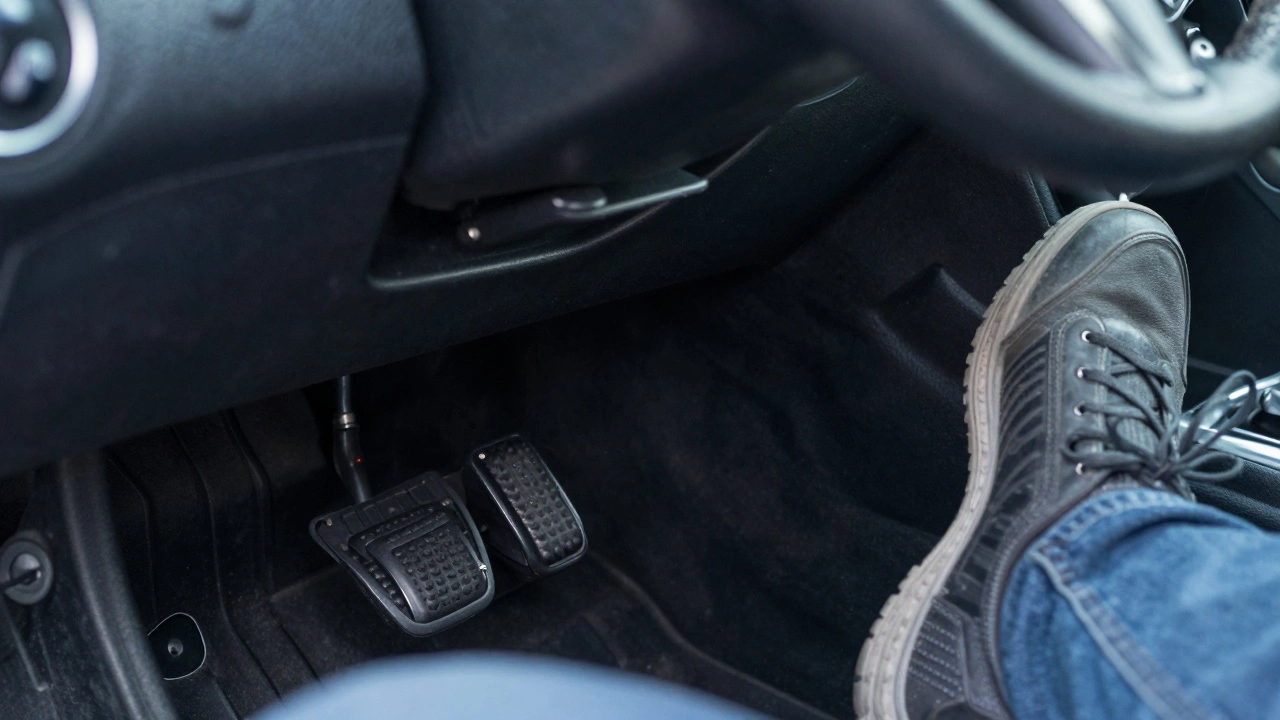
The first clue lies under your left foot. Sit in your parked car with the engine off and press the clutch pedal all the way down. Does it go to the floor smoothly? Or does it feel mushy, like pressing into a wet sponge? A spongy pedal usually indicates air in the hydraulic system or a leak in the master or slave cylinder. This isn't necessarily a sign that the friction disc is worn out, but it means the mechanism isn't fully disengaging the clutch from the flywheel.
Now start the engine. Press the pedal again. A healthy hydraulic clutch should have a firm resistance halfway through its travel. If the pedal sticks to the floor and won't return, your release bearing or diaphragm spring might be broken. Conversely, if the pedal feels incredibly stiff and hard to push down, the hydraulic fluid might be contaminated, or the clutch itself is overheating and expanding. Note these sensations; they tell you more than any diagnostic tool can in the early stages.
For those looking for detailed parts diagrams or specific repair guides for their vehicle model, resources like this directory can sometimes host community-maintained technical archives, though you'll want to verify the source's relevance to automotive mechanics specifically.
The Slip Test: Revving Without Moving
This is the most definitive test for clutch wear, but do it safely. Find a flat, quiet road. Put your car in third gear (or second if you have a manual truck). Hold the handbrake firmly. Slowly release the clutch pedal while gently pressing the accelerator to about 2,000 RPM. Watch the tachometer closely.
In a healthy car, the engine will struggle slightly as the clutch engages, causing the RPMs to drop naturally as the car tries to move against the handbrake. If the RPMs stay steady or even rise despite the clutch being mostly released, your clutch is slipping. The friction material on the disc is so thin that it can no longer grip the flywheel effectively. This is not an adjustment issue; this is a failure. Continuing to drive with a slipping clutch can overheat the pressure plate and warp the flywheel, turning a $500 repair into a $1,500 job.
- Mild Slip: Noticeable only during hard acceleration or steep hills.
- Moderate Slip: Occurs during normal city driving in higher gears.
- Severe Slip: Car barely moves even with high RPMs; burning smell present.
Gear Grinding and Difficulty Shifting
If shifting into gear feels like grinding metal, your clutch might not be disengaging fully. When you press the pedal, the input shaft should stop spinning completely. If it keeps rotating, the gears clash when you try to mesh them. This results in that terrible crunching noise that makes every other driver wince.
Grinding is often caused by a worn release bearing or a misaligned hydraulic line, rather than the clutch disc itself. However, if the grinding happens specifically when shifting into reverse, it’s almost always a disengagement issue. Check your clutch fluid level in the reservoir (often shared with brake fluid). Low fluid leads to air bubbles, which compress instead of pushing the piston, resulting in incomplete disengagement. Top off the fluid with DOT 3 or DOT 4 brake fluid as specified in your owner's manual, then bleed the system if the problem persists.
The Smell Test: Burning Friction Material
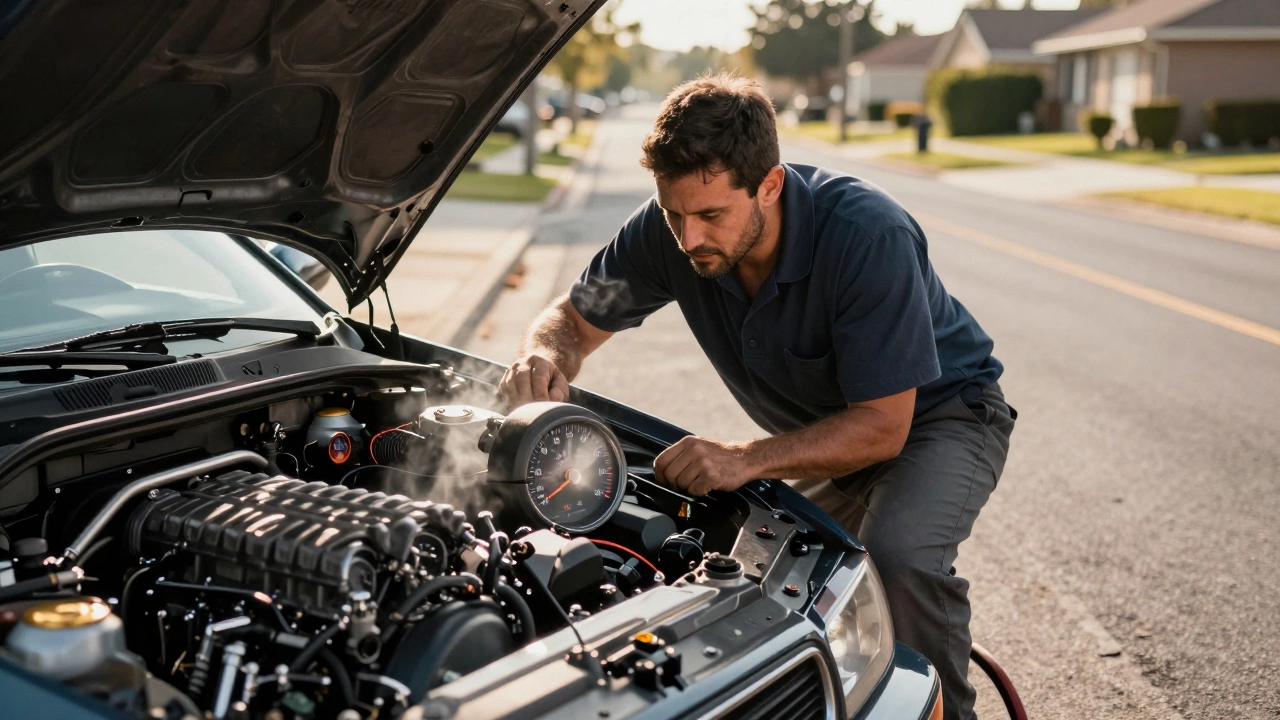
Clutch discs are made of organic composite materials designed to withstand heat, but they have limits. When a clutch slips excessively, friction generates intense heat. You’ll recognize the smell immediately-it’s sharp, acrid, and similar to burning rubber or old library books. If you catch this scent after a long drive or a tow, pull over and let the car cool.
A faint smell occasionally might mean you rode the clutch too much in traffic. But a strong, persistent odor indicates significant wear. Inspect the underside of the car for blueish smoke coming from the bell housing area. If you see smoke, the clutch is likely glazed or burnt. No amount of adjustment will restore the friction surface. You need a new clutch kit.
Vibration and Judder During Takeoff
Does your car shudder violently when you try to pull away from a stoplight? This judder is different from the slight shake of a cold engine. Clutch judder happens when the friction disc doesn't grab evenly. Causes include oil contamination on the disc, a warped flywheel, or a failing damper spring within the clutch disc itself.
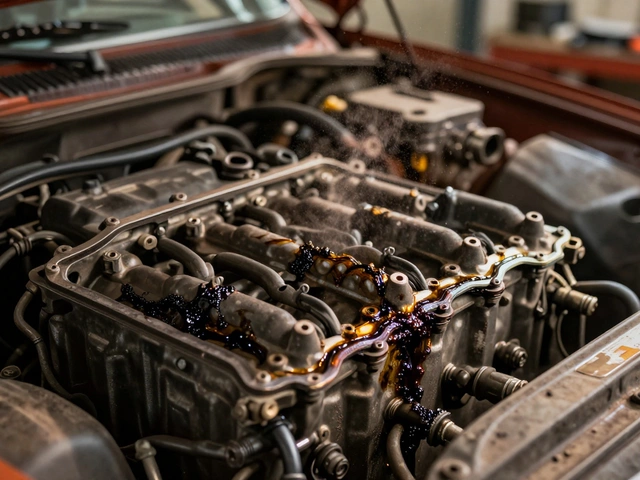
Oil leaks from the rear main seal or the transmission input shaft seal can coat the clutch disc, reducing its grip and causing uneven engagement. This requires identifying and fixing the leak before installing a new clutch, or the new one will fail quickly. Warped flywheels occur from excessive heat cycling. They must be resurfaced or replaced alongside the clutch kit to ensure smooth operation.
| Symptom | Probable Cause | Action Required |
|---|---|---|
| Spongy Pedal | Air in hydraulic lines / Fluid leak | Bleed system / Replace master/slave cylinder |
| High RPM, Low Speed | Worn clutch disc | Replace clutch kit |
| Grinding Gears | Incomplete disengagement | Check fluid / Bleed hydraulics / Inspect release bearing |
| Burning Smell | Overheated / Slipping clutch | Inspect disc / Replace if glazed |
| Judder on Takeoff | Warped flywheel / Oil contamination | Resurface flywheel / Fix leaks / Replace kit |
When "Adjustment" Actually Means Replacement
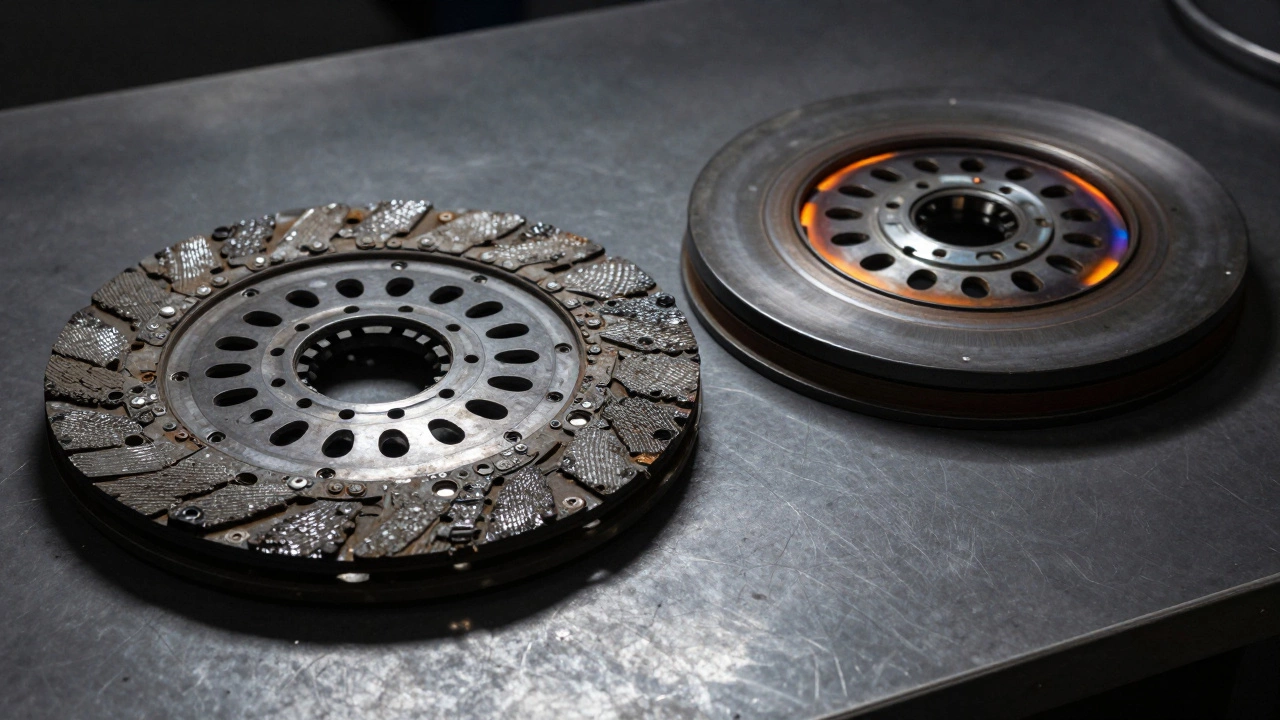
It is crucial to understand that modern hydraulic clutches are self-adjusting. As the friction disc wears down, the release bearing moves further along the fingers of the pressure plate to compensate. There is no screw to turn. If your pedal height changes significantly over time, it’s a symptom of wear, not a setting error. Many drivers mistakenly believe a mechanic can "tighten" the clutch. In reality, once the wear limit is reached, the entire assembly-disc, pressure plate, and release bearing-must be replaced.
Attempting to adjust a non-adjustable system can damage the hydraulic seals. Always consult your vehicle’s service manual. For older models with cable actuation, look for a threaded sleeve near the firewall or pedal box. Turning this sleeve shortens or lengthens the cable, changing the free play. Free play should typically be between 10mm and 15mm. Too little play causes drag; too much causes incomplete disengagement.
Cost Considerations and DIY vs. Professional Help
Replacing a clutch is labor-intensive because the transmission must be removed. Parts for a standard passenger car range from $300 to $800, depending on brand and quality. Labor adds another $600 to $1,200. If you are mechanically inclined, you can save hundreds by doing it yourself, but you need a jack, stands, a torque wrench, and patience. Misaligning the new disc during installation is a common mistake that leads to immediate vibration and failure.
Consider replacing the throw-out bearing and pilot bushing simultaneously. These cheap parts prevent future headaches. Also, inspect the flywheel. Resurfacing costs about $100-$150 but ensures a smooth mating surface for the new disc. Skipping this step saves money now but risks premature wear later.
Can I drive with a slipping clutch?
You can drive short distances to a mechanic, but avoid highway speeds or heavy loads. Continued slipping generates extreme heat, which can warp the flywheel and damage the transmission input shaft, increasing repair costs significantly.
How long does a clutch last?
On average, clutches last between 50,000 and 100,000 miles. City driving with frequent stops reduces lifespan, while highway driving extends it. Aggressive driving habits like riding the clutch or launching from stops accelerate wear.
Is clutch fluid the same as brake fluid?
Yes, most clutch systems use the same DOT 3 or DOT 4 fluid as brakes. However, some European cars use DOT 5.1. Never mix different types. Check your reservoir cap for specifications. Using the wrong fluid can damage seals.
Why does my clutch pedal vibrate?
Pedal vibration often points to a worn damper spring in the clutch disc or a warped flywheel. It can also indicate issues with the release bearing. This symptom usually appears alongside juddering during takeoff.
Should I replace the flywheel with the clutch?
Not always, but it is highly recommended to resurface it. If the flywheel has deep scoring, cracks, or heat spots (blue discoloration), it must be replaced. Dual-mass flywheels, common in modern diesels, cannot be resurfaced and must be replaced if worn.
Preventive Maintenance Tips
You can extend the life of your clutch by adopting better driving habits. Avoid resting your foot on the pedal while driving. Even slight pressure engages the release bearing, causing unnecessary wear. Use the handbrake when starting on hills instead of balancing on the clutch and gas. This technique, known as "riding the clutch," is a primary cause of premature failure.
Shift smoothly. Don't force gears. Let the clutch engage gradually. If you hear grinding, stop and retry. Finally, keep your hydraulic fluid fresh. Brake/clutch fluid absorbs moisture over time, which lowers its boiling point and can lead to vapor lock under heavy use. Flush the fluid every two years or 30,000 miles for optimal performance.
Knowing the signs of clutch failure allows you to plan repairs rather than face roadside emergencies. Listen to your car. Feel the pedal. Watch the tachometer. These simple observations provide the data needed to make informed decisions about your vehicle's health. Ignoring them leads to costly mistakes. Addressing them promptly keeps you moving safely and efficiently.