Brake Pad Cost Estimator
Estimate your total bill for one axle (front or rear).
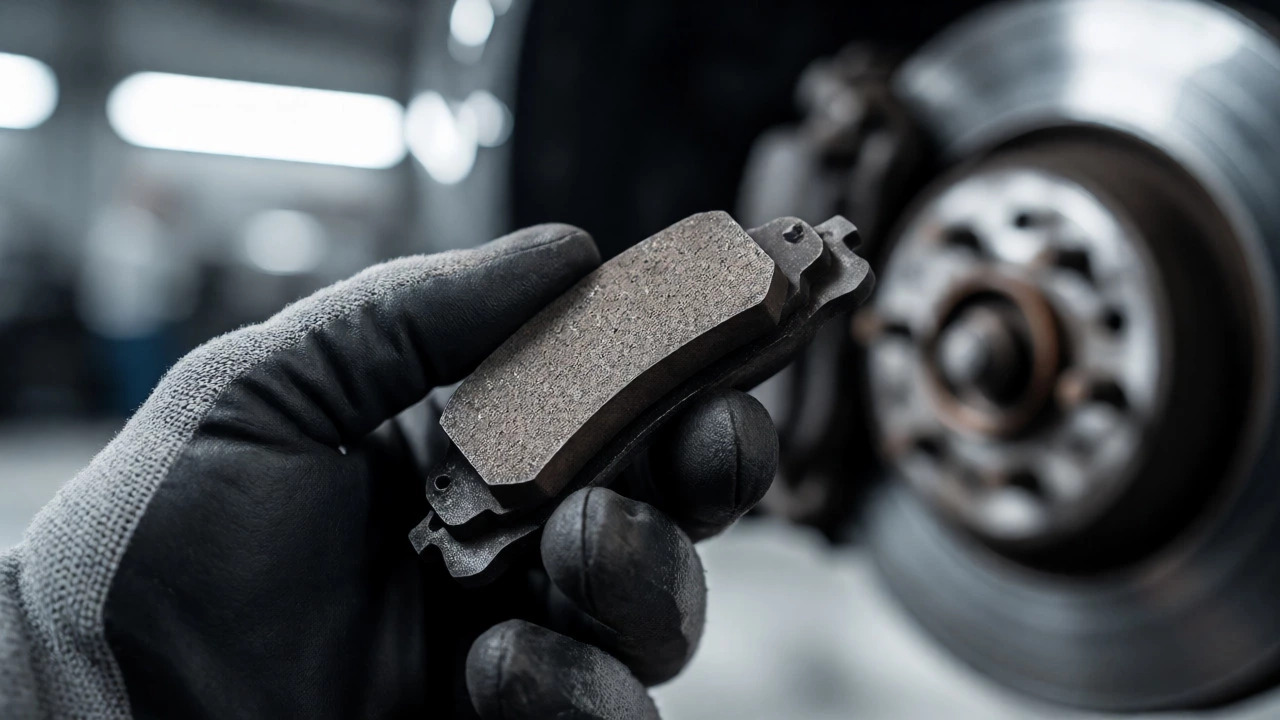
You’re driving along, and suddenly that familiar screech hits your ears. It’s the sound every driver dreads, but it’s also a helpful warning. Your brake pads are wearing thin, and they need replacing soon. The first question popping into your head is almost always about money. How much is this going to hurt your wallet? The answer isn’t a single number. It swings wildly based on what you drive, where you live, and who does the work. In Adelaide, for example, prices differ from those in Sydney or Melbourne due to labor rates and local competition.
This guide breaks down exactly what you should expect to pay in late 2026. We’ll look at part costs, labor fees, and the hidden extras that often inflate the final bill. By the end, you’ll know if that $450 quote is fair or if you’re being taken for a ride.
Key Takeaways on Brake Pad Pricing
- Parts vs. Labor: Brake pads themselves are cheap ($30-$100 per axle), but labor usually costs more ($80-$150 per hour).
- Vehicle Type Matters: Luxury cars and EVs require specialized materials, raising costs by 30-50% compared to standard sedans.
- Front vs. Rear: Front brakes wear out faster because they handle most of the stopping power, so they’re replaced more often.
- Total Job Cost: Expect to pay between $150 and $300 per axle for a standard car at an independent shop.
The Real Breakdown: Parts vs. Labor
When mechanics give you a quote, they’re bundling two distinct things: the hardware and the human effort. Understanding this split helps you spot value. The actual friction material that presses against the rotor is relatively inexpensive. For a typical Japanese or European sedan, a quality set of ceramic or semi-metallic pads costs between $40 and $90 for both wheels on one axle. If you go with budget brands, you might find them for $25, but I wouldn’t recommend it unless you’re doing a quick resale flip.
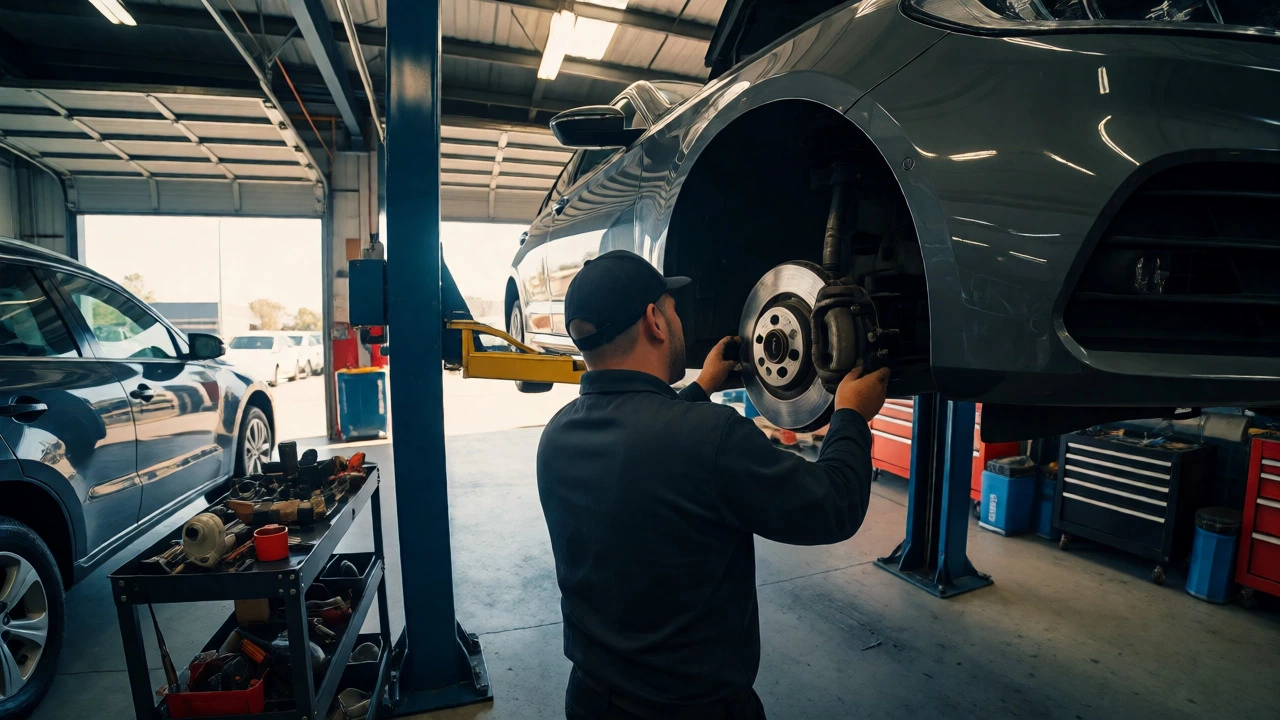
Labor is where the bulk of the cost lives. Replacing front brake pads takes about 30 to 45 minutes for a skilled technician. Rear brakes can take longer, especially if the caliper needs resetting. At current Australian rates, independent workshops charge roughly $80 to $120 per hour. Dealerships might hit $150+. So, for a simple front pad swap, you’re looking at maybe $50-$75 in labor charges. Add the parts, and you land in that $150-$250 range for a basic job. This assumes no surprises, like seized pins or rusty rotors.
How Vehicle Type Changes the Price Tag
Your car dictates the price more than anything else. A Toyota Corolla uses different components than a Tesla Model Y or a BMW X5. Let’s look at why.
| Vehicle Category | Part Cost Estimate | Labor Estimate | Total Range |
|---|---|---|---|
| Economy Sedan (e.g., Mazda 3) | $40 - $70 | $60 - $90 | $100 - $160 |
| Family SUV (e.g., Hyundai Tucson) | $60 - $100 | $80 - $120 | $140 - $220 |
| European Luxury (e.g., Audi A4) | $100 - $180 | $100 - $150 | $200 - $330 |
| Electric Vehicle (EV) | $80 - $150 | $90 - $140 | $170 - $290 |
Notice the jump for luxury vehicles. These cars often use larger rotors and high-performance compounds designed for higher speeds and heavier weights. They also frequently require diagnostic tools to reset electronic parking brakes, which adds time. Electric vehicles are interesting. Because regenerative braking saves the physical pads, they last longer. However, when they do need changing, the corrosion from lack of use can make removal tricky, increasing labor time. Plus, many EVs use specific low-dust formulations to keep their shiny wheels clean.
Material Choices: Ceramic vs. Semi-Metallic
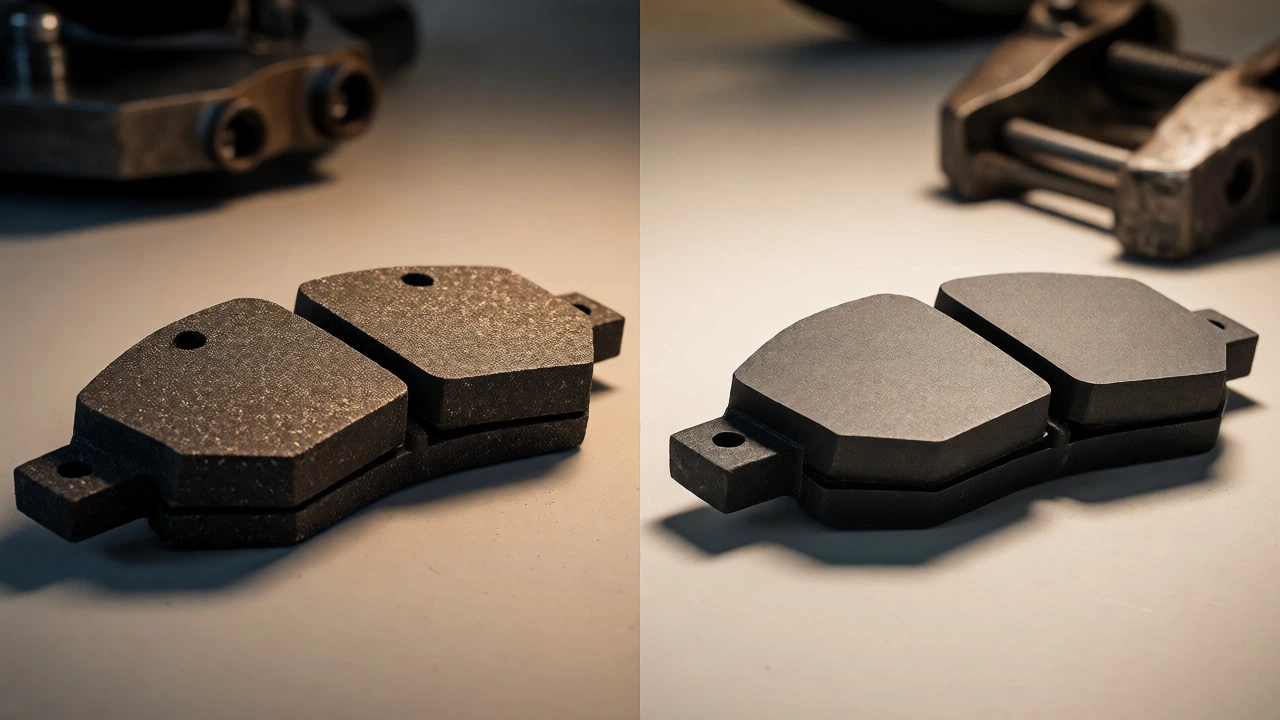
Not all brake pads are created equal. The material affects not just the price, but how your car stops and how long the parts last. When you ask for a quote, specify the material if you care about performance.
Ceramic brake pads are the premium choice for daily drivers. They produce less dust, run quieter, and offer consistent braking across temperature ranges. They cost more upfront-often 20% higher than organic options-but they protect your expensive alloy wheels from black grime. If you live in a dusty area or hate cleaning wheel rims weekly, ceramics are worth the extra $30.
Semi-metallic pads contain metal fibers for better heat dissipation. They’re cheaper and great for towing or spirited driving, but they squeal more and create heavy dust. Organic pads are the cheapest but wear out fastest and fade under heavy braking. For most city commuters in Adelaide, ceramics strike the best balance of cost and cleanliness.
Hidden Costs That Inflate the Bill
Here is where quotes get scary. You think you’re paying for pads, but the mechanic finds other issues. This is common because brakes don’t exist in a vacuum; they interact with rotors, calipers, and sensors.
The biggest culprit is the brake rotor. Rotors are the metal discs the pads clamp onto. If they’re warped, scored, or below minimum thickness, new pads won’t help. Resurfacing a rotor costs $20-$40 each, while replacing them runs $50-$100 each. If both sides need rotors, add $100-$200 to your total. Always ask if the rotors are within spec before approving the job.
Another sneaky expense is hardware kits. Clips, shims, and anti-rattle springs often corrode. Reusing old ones causes noise. A hardware kit costs $10-$20 but prevents comebacks. Some shops include this in the labor fee; others charge separately. Ask explicitly: "Does this quote include new hardware?"
Finally, consider the electronic parking brake (EPB). Modern cars use motors instead of hand levers. Retracting these requires a scan tool. If your shop doesn’t have the right software, they might send you elsewhere or charge extra for the diagnostic time. Ensure your mechanic has EPB capability if you drive a post-2015 vehicle.
Independent Shops vs. Dealerships
Should you go to the brand dealer or a local garage? Data shows dealerships charge 20-40% more for the same service. Why? Overhead. They have fancy waiting rooms, brand-specific training, and genuine parts only. Independent shops often use OEM-equivalent parts (made by the same factories as Bosch or Brembo) at lower prices.
For out-of-warranty cars, independents win on value. A trusted local mechanic in Adelaide will likely quote $180 for a job the dealer quotes at $280. The catch? Warranty coverage. Dealerships offer nationwide warranties on parts and labor. Independents vary. Check reviews and ask about their warranty policy. If you plan to keep the car for years, the dealership’s peace of mind might justify the premium. If you sell in two years, save the cash.
DIY: Is It Worth Saving Money?
Can you change brake pads yourself? Yes, if you have basic mechanical skills. You’ll need a jack, stands, lug wrench, C-clamp, and socket set. The parts cost remains the same, but you save the labor fee entirely. That’s a $100+ saving per axle.
However, mistakes here are dangerous. Improperly torqued bolts or contaminated pads can lead to brake failure. Also, disposing of old brake dust requires care-it contains hazardous materials. If you’re handy and watch a few YouTube tutorials specific to your model, DIY is viable. But if you hesitate, pay the pro. Safety isn’t the place to cut corners.
Frequently Asked Questions
How often should brake pads be replaced?
Most manufacturers suggest inspection every 10,000 km. Replacement typically happens between 30,000 and 70,000 km, depending on driving habits. City driving wears pads faster than highway cruising due to constant stop-start traffic.
Why are my new brakes making noise?
New pads need a break-in period called bedding. During the first 300-500 km, avoid hard stops. Squealing can also occur if anti-squeal grease wasn’t applied correctly behind the pads or if the hardware clips are missing. Persistent grinding means immediate return to the shop.
Do electric vehicles have cheaper brake repairs?
Not necessarily cheaper per job, but less frequent. Regenerative braking reduces physical pad usage, extending life significantly. However, when replacements are needed, parts can be pricier due to specialized low-dust formulations, and labor may increase if corrosion seizes the calipers from disuse.
Is it safe to drive with worn brake pads?
It depends on severity. Thin pads reduce stopping distance efficiency. If you hear metal-on-metal grinding, the backing plate is damaging the rotor. This turns a $200 job into a $600 job quickly. Do not ignore grinding noises; they indicate imminent safety risks.
What is the average cost for full brake replacement?
A full four-wheel brake job (pads and rotors) on a standard car ranges from $400 to $800 in Australia. This includes parts, labor, and fluid flush. Luxury vehicles can exceed $1,000 due to complex calipers and larger components.