Total Cost Estimator
Configuration
Estimated Cost Breakdown
Pro Tip: Buying online can save you 10-20% on base tire prices, though local shops often include free mounting with purchase.
Walking into a tire shop or scrolling through an online catalog can feel like trying to read a foreign language. One minute you’re looking at a set for $300, and the next, a seemingly similar option is tagged at $1,200. Why such a massive gap? The short answer is that car tire prices vary wildly based on size, brand, performance needs, and where you buy them. But there’s more to it than just sticker shock.
If you’re planning to replace your tires soon, knowing what drives these costs helps you avoid overpaying while ensuring you don’t skimp on safety. This guide breaks down exactly how much you should expect to pay in 2026, what factors inflate the price, and how to get the best value without compromising on quality.
The Baseline: Average Cost Per Tire in 2026
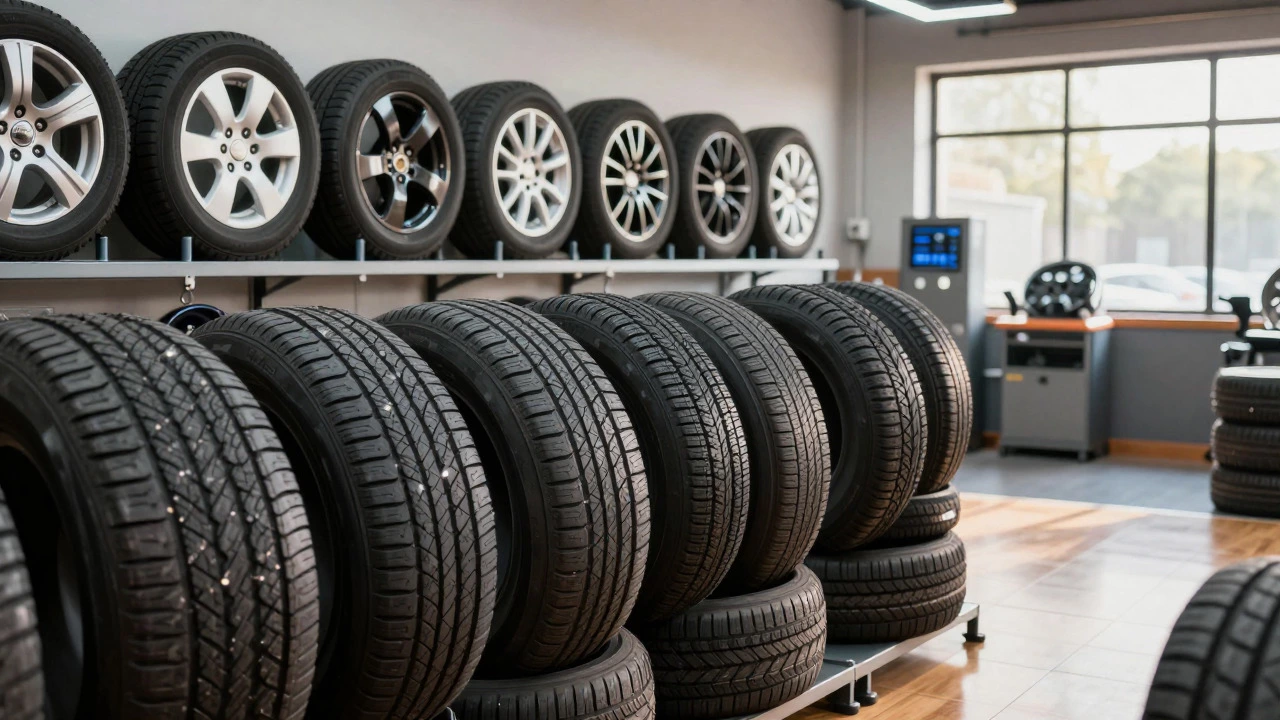
Before diving into the variables, let’s establish a baseline. In 2026, the average cost for a single passenger car tire ranges from $80 to $300 per unit. However, this number shifts dramatically depending on the type of vehicle and the tier of the product.
| Tire Category | Price Range (USD) | Best For |
|---|---|---|
| Budget/Economy | $75 - $120 | City driving, older cars, low mileage |
| Midsized/Standard | $120 - $200 | Daily commuters, family sedans, SUVs |
| Premium/Performance | $200 - $400+ | Sports cars, high-speed highway use, winter extremes |
| Heavy-Duty/Large SUV | $250 - $500+ | Trucks, large crossovers, towing |
These figures represent the tire only. Installation, taxes, disposal fees, and alignment services are extra. Most drivers need four tires, so multiply these numbers by four to get the total parts cost. A full set of mid-range tires for a standard sedan will typically land you around $600 to $800 before labor.
What Drives Up the Price?
You might wonder why one tire costs twice as much as another when they look nearly identical on the shelf. Several key factors influence the final price tag.
1. Tire Size and Vehicle Type
Size is the biggest determinant of cost. Small wheels (14-15 inches) found on economy cars require less rubber and materials, keeping prices low. As wheel diameter increases-especially beyond 19 inches-the amount of raw material skyrockets. Additionally, wider tires have a larger contact patch, requiring more advanced compounds to maintain grip without overheating.
If you drive a luxury SUV or a sports car with 20-inch+ rims, you’re paying for engineering complexity. These tires must handle higher speeds, greater weight, and sharper cornering forces. That’s why a set of P275/40R20 tires can easily exceed $1,500 for four, while a set of P195/65R15 tires might cost under $400.
2. Brand Reputation and Technology
Michelin, Michelin Group and Bridgestone often command higher prices due to decades of research and development. Their tires feature proprietary tread patterns, silica-infused rubber compounds, and noise-reduction technologies. While budget brands offer decent performance for casual driving, premium brands deliver longer tread life, better wet traction, and improved fuel efficiency.
Is the extra cost worth it? If you drive 15,000 miles annually, yes. Premium tires may last 60,000-80,000 miles compared to 40,000-50,000 for budget options. Over time, the cost-per-mile becomes lower despite the higher upfront investment.
3. Seasonal and Performance Specialization
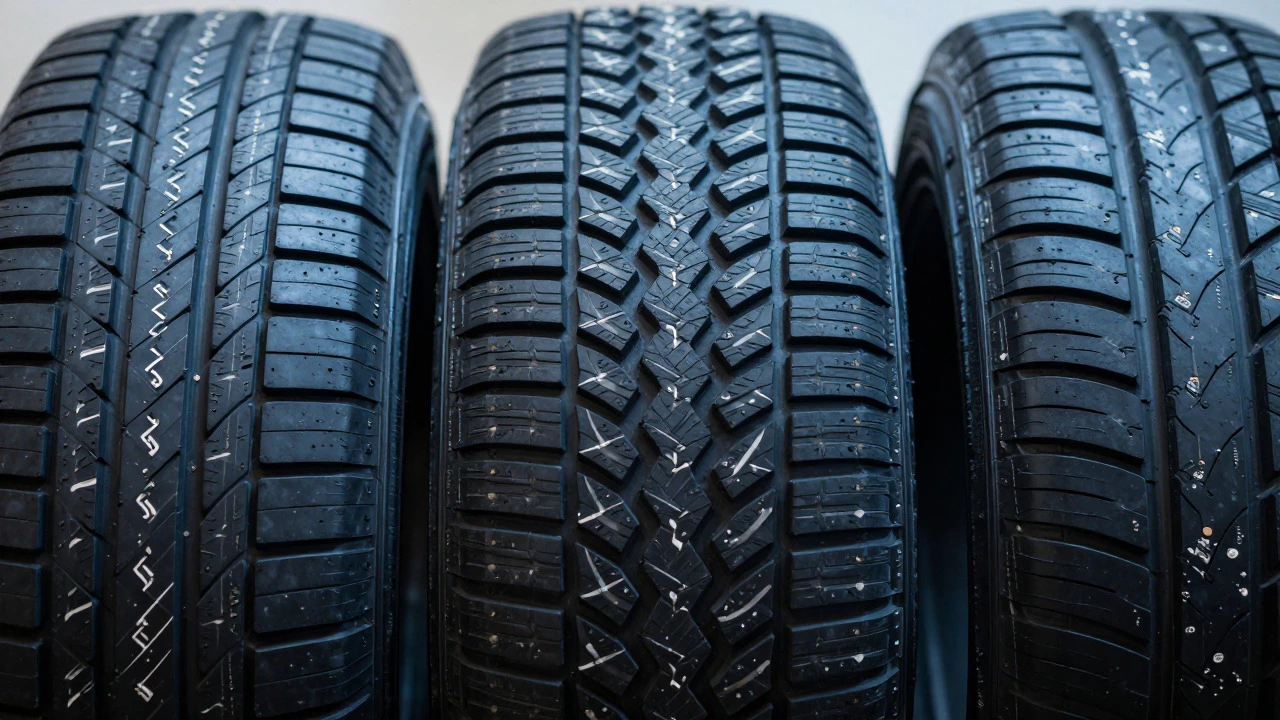
All-season tires are the most common and generally affordable because they balance performance across conditions. Winter tires, however, use softer rubber compounds and deeper siping (tiny grooves) to bite into snow and ice. These specialized materials increase production costs.
Summer performance tires prioritize dry and wet grip at high temperatures, using stiffer sidewalls and aggressive tread designs. They’re expensive because they’re engineered for precision handling rather than longevity. If you live in a region with distinct seasons, you might need two sets of tires, doubling your annual tire budget.
Hidden Costs: Installation, Alignment, and More
The sticker price of a tire doesn’t include the service required to mount it safely. Here’s what else you’ll pay:
- Mounting and Balancing: $15-$25 per tire. This ensures the tire sits evenly on the rim and prevents vibration at highway speeds.
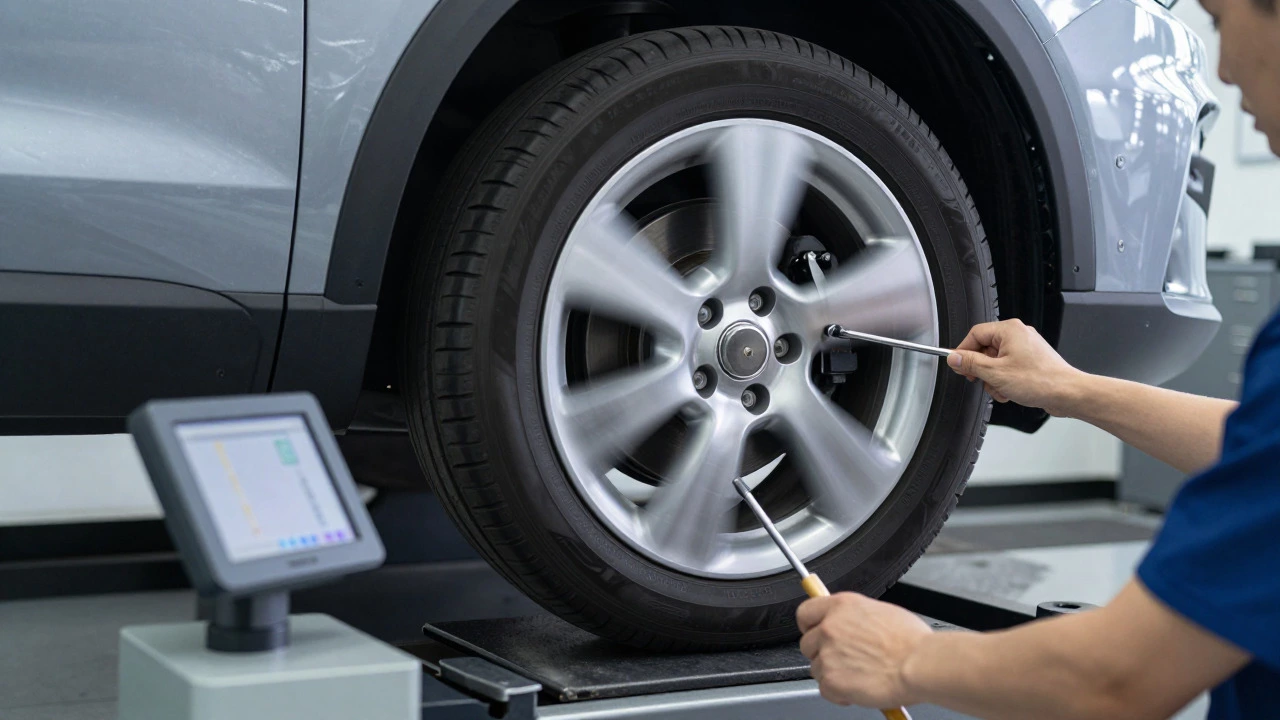
- Wheel Alignment: $100-$150. Crucial after installing new tires to prevent uneven wear. Skipping this can reduce tire life by up to 30%.
- Tire Disposal Fee: $5-$10 per old tire. Environmental regulations require proper recycling of rubber waste.
- VAT/Sales Tax: Varies by location. In some states, this adds 6-10% to your total bill.
So, if you buy four mid-range tires for $700, expect to pay an additional $150-$200 for installation and alignment. Always ask for a “total out-the-door” price to avoid surprises.
Budget vs. Premium: Is It Worth the Splurge?
This is the million-dollar question-or rather, the $400-question. Let’s compare three tiers using real-world scenarios.
| Feature | Budget ($75-$120/tire) | Mid-Range ($120-$200/tire) | Premium ($200+/tire) |
|---|---|---|---|
| Tread Life Warranty | 40,000-50,000 miles | 60,000-70,000 miles | 70,000-90,000 miles |
| Wet Braking Distance | Average | Good | Excellent |
| Noise Level | Louder | Moderate | Quiet |
| Fuel Efficiency | Standard | Improved | Optimized (low rolling resistance) |
| Road Hazard Warranty | Rare | Sometimes included | Often included (1-3 years) |
If you commute 10 miles each way on smooth highways, budget tires may suffice. But if you frequently drive in rain, stop suddenly, or carry heavy loads, premium tires offer measurable safety benefits. Studies show that high-quality tires can reduce stopping distances by 10-15 feet in wet conditions-a difference that could mean avoiding an accident.
Where to Buy: Online vs. Local Shops
Your purchasing channel significantly impacts the final price. Here’s how different retailers stack up:
- Online Retailers (e.g., Tire Rack, Amazon): Often have the lowest base prices due to reduced overhead. You save 10-20% compared to brick-and-mortar stores. However, you’ll need to find a local shop for installation, which may charge separate fees.
- National Chains (e.g., Discount Tire, Costco): Offer competitive pricing plus free installation, rotation, and balancing with purchase. Membership clubs like Costco provide exclusive discounts and extended warranties.
- Local Independent Shops: May have higher prices but offer personalized service and quicker turnaround. Some negotiate better during slow seasons (spring/fall).
- Dealerships: Typically the most expensive option. Avoid unless you’re under warranty or lack other options.
Pro tip: Check for seasonal promotions. Many retailers run “buy three, get one free” deals or cashback offers in late spring and early fall when demand dips.
When Should You Replace Your Tires?
Knowing the cost is useless if you wait too long. Tires degrade even if you don’t drive much. Rubber hardens over time, reducing grip regardless of tread depth. Most manufacturers recommend replacing tires every six years, regardless of mileage.
Use the penny test: Insert a penny into the tread groove with Lincoln’s head upside down. If you can see all of his head, your tread is below 2/32 inch-the legal minimum in most U.S. states. For better safety, replace at 4/32 inch, especially if you drive in snow or rain.
Other signs include:
- Cracks in the sidewall
- Bulges or blisters
- Uneven wear patterns (indicates alignment issues)
- Vibration at highway speeds
FAQ: Common Questions About Tire Prices
How much does it cost to replace all four tires?
For a standard sedan, expect to pay $400-$800 for mid-range tires including installation. Luxury vehicles or large SUVs can cost $1,000-$2,000+. Always confirm whether mounting, balancing, and disposal fees are included.
Are Michelin tires worth the extra cost?
Yes, if you prioritize longevity, wet braking, and comfort. Michelin tires often last 20-30% longer than budget brands and come with robust warranties. The higher initial cost pays off over time through fewer replacements and better fuel economy.
Can I install tires myself to save money?
Only if you have professional-grade equipment. Improper mounting can damage the bead or cause blowouts. DIY saves $60-$100 but risks safety. Most experts recommend leaving installation to certified technicians.
Do I really need wheel alignment after new tires?
Absolutely. Misalignment causes uneven tread wear, reducing tire life by months. A $100-$150 alignment protects your $600+ tire investment. Skip it, and you might replace tires again within a year.
When is the best time to buy tires?
Late spring (May-June) and early fall (September-October) offer the best deals. Retailers clear inventory before peak seasons. Black Friday and holiday sales also feature significant discounts, though selection may be limited.
Next Steps: How to Choose the Right Tire for You
Start by checking your current tire size, located on the sidewall (e.g., P215/65R16). Use this code to search online or visit a shop. Decide your priority: budget, longevity, or performance. Compare at least three retailers, including installation costs. Finally, schedule an alignment appointment to maximize your new tires’ lifespan. With smart choices, you can stay safe on the road without breaking the bank.