Clutch Health & Repair Estimator
Enter your vehicle details and observed symptoms to determine if your clutch is burned out and what the potential repair might involve.
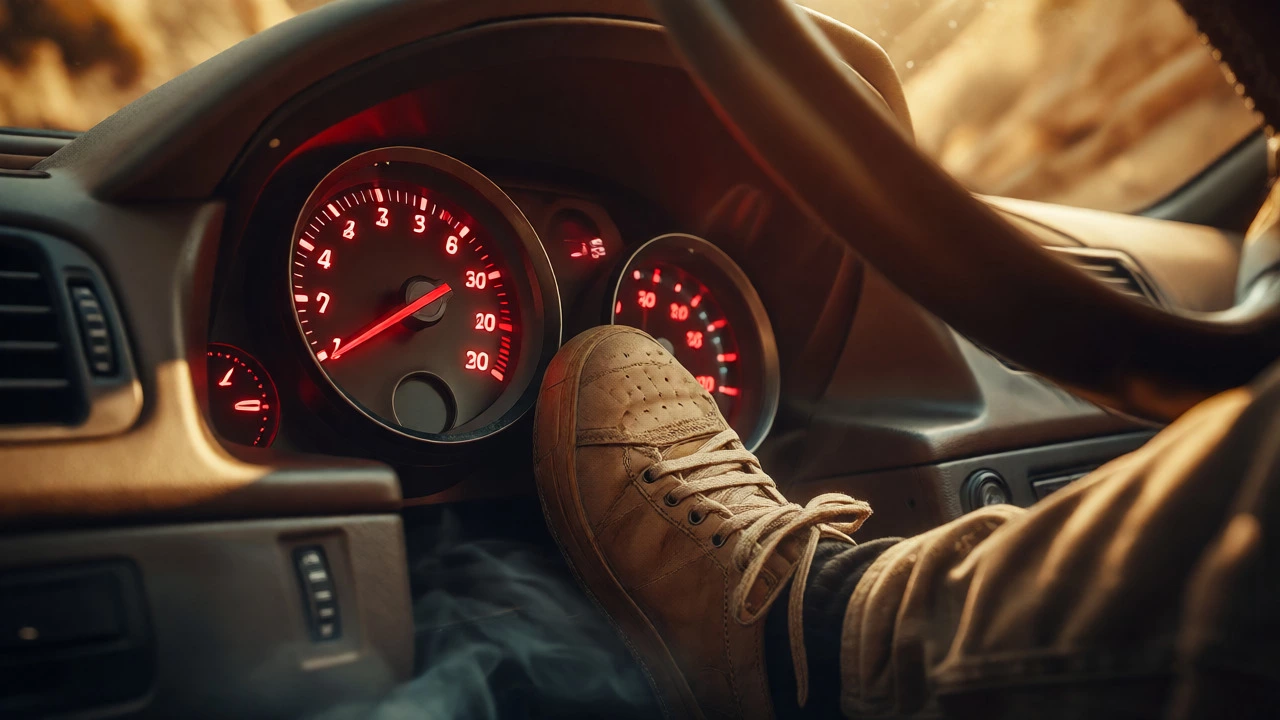
You’re driving up a steep hill in Adelaide, pushing the throttle down, but the engine RPMs are screaming while your speed barely climbs. That smell? It’s not just hot asphalt; it’s the distinct, acrid odor of a burned out clutch. This isn’t just an inconvenience-it’s a mechanical cry for help that, if ignored, can leave you stranded with a car that won’t move. Whether you’re dealing with a slipping clutch on a daily commute or a total failure on a weekend trip, understanding how to fix this issue saves you from expensive tow trucks and dealership markups.
Key Takeaways
- Diagnose accurately: A burned clutch causes slipping (high RPM, low speed) and a burning smell, distinct from hydraulic leaks which cause spongy pedals.
- Assess drivetrain type: Front-wheel-drive cars often require removing the subframe, making DIY replacement harder than rear-wheel-drive setups.
- Replace as a kit: Never just swap the disc. Always install a new pressure plate and release bearing to prevent premature failure.
- Check the flywheel: If the surface is scored or blue-discolored, it must be resurfaced or replaced, adding cost but ensuring longevity.
- Bleed the system: After installation, air trapped in the hydraulic line will mimic a bad clutch. Proper bleeding is critical.
Is Your Clutch Actually Burned Out?
Before you buy parts, you need to be sure. Mechanics see many drivers who think their clutch is dead when it’s actually just a leaking master cylinder or a stretched cable. A truly burned clutch has specific symptoms that differentiate it from other issues.
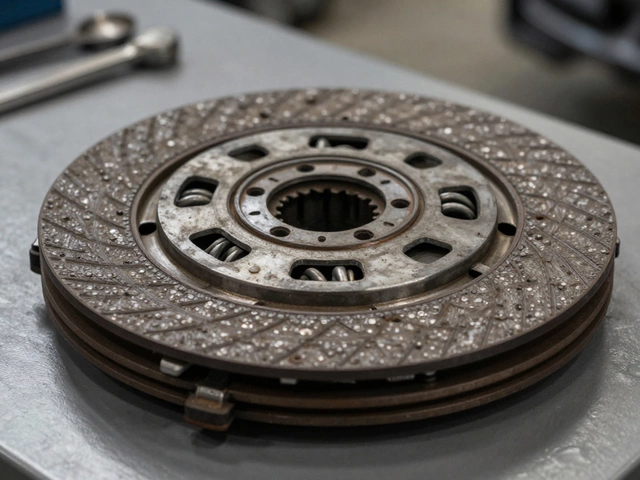
The most obvious sign is slipping. When you accelerate hard, especially in a higher gear like third or fourth, the engine revs climb rapidly, but the vehicle doesn’t accelerate proportionally. Think of it like trying to run on ice-your legs are moving fast, but you aren’t going anywhere. This happens because the friction material on the clutch disc has glazed over or worn down completely, losing its grip on the flywheel.
Then there’s the smell. Friction generates heat, and when a clutch slips excessively, that heat builds up until the organic compounds in the friction material start to burn. You’ll notice a sharp, sulfurous odor inside the cabin, particularly after stop-and-go traffic or hill starts. If you smell this and feel the slip, your clutch is cooked.
| Symptom | Burned/Worn Clutch | Hydraulic Leak | Bad Shifter Linkage |
|---|---|---|---|
| Engine RPM vs Speed | RPM rises, speed lags (Slipping) | Normal acceleration | Normal acceleration |
| Pedal Feel | High engagement point or normal | Spongy, sinks to floor | Stiff or loose pedal |
| Smell | Burning rubber/friction | None or brake fluid scent | None |
| Gear Engagement | Grinding possible if fully worn | Hard to engage gears | Gears pop out or grind |
Why Does a Clutch Burn Out?
It’s rarely just age. While clutches do wear out naturally, a prematurely burned clutch usually points to driver habits or underlying mechanical faults. In my experience working around Adelaide’s hilly terrain, "riding the clutch" is the number one killer. This means keeping your foot partially on the pedal while driving, preventing the pressure plate from fully clamping the disc against the flywheel. The result is constant micro-slipping, which generates immense heat and wears the friction material away in thousands of kilometers instead of hundreds of thousands.
Another common culprit is aggressive launching. Drag racing enthusiasts know that launching at high RPM creates massive torque spikes. If the clutch can’t handle that load, the friction pads vaporize. Similarly, towing heavy loads without using lower gears forces the clutch to slip to manage the weight, effectively acting as a variable-speed drive rather than a solid connection.
Mechanical issues also play a role. A warped flywheel prevents even contact, causing hot spots that burn through the disc unevenly. Contamination from oil leaks (from the rear main seal or input shaft seal) acts as a lubricant, reducing friction and causing slip, which then leads to overheating and burning. If you see oil around the bell housing, fixing the leak is mandatory before installing a new clutch, or it will fail again within months.
Can You Fix It Without Replacing the Kit?
Here is the hard truth: you cannot "repair" a burned friction disc. Once the material is gone or glazed, it’s done. There is no additive or adjustment that restores lost friction material. However, depending on the severity, you might have options before jumping straight to a full replacement.
If the clutch is only slightly slipping and smells faintly, sometimes a thorough cleaning of the flywheel and pressure plate surfaces can restore temporary functionality. Using a scuffing pad to remove glaze from the pressure plate fingers and cleaning the flywheel with brake cleaner might buy you another few thousand kilometers. This is a band-aid solution, useful if you’re waiting for parts or saving money short-term, but it won’t last.
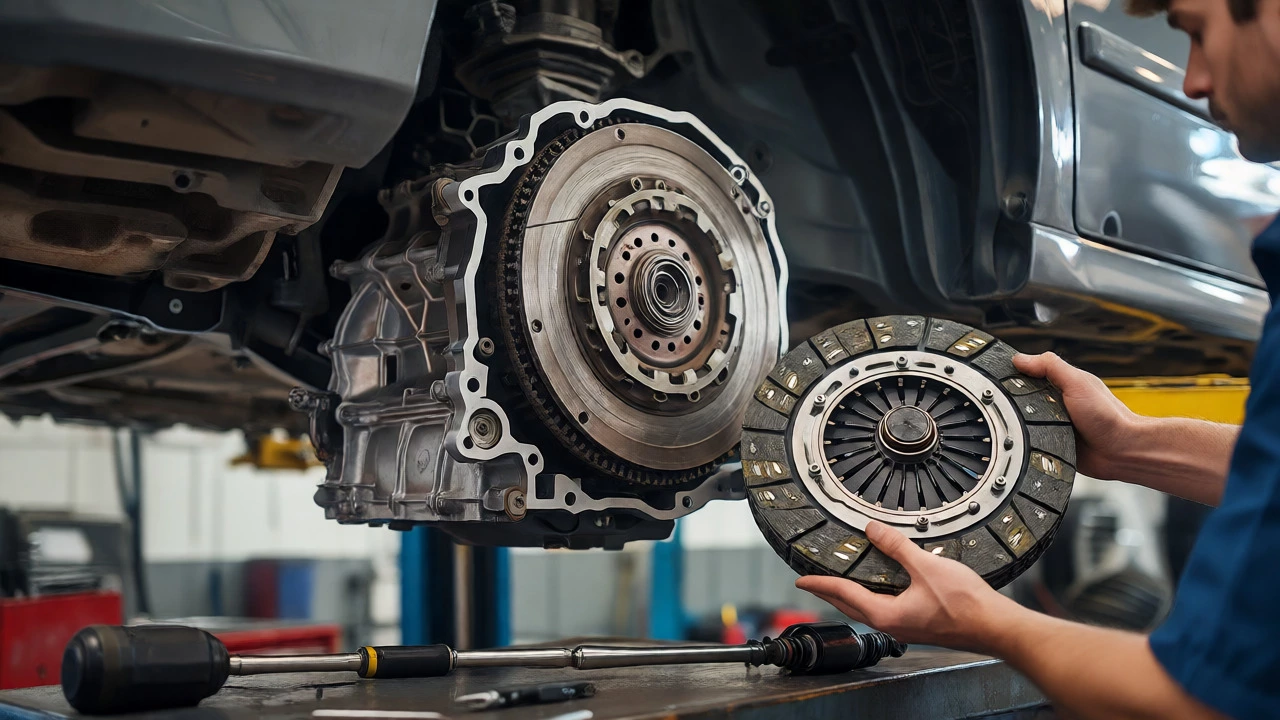
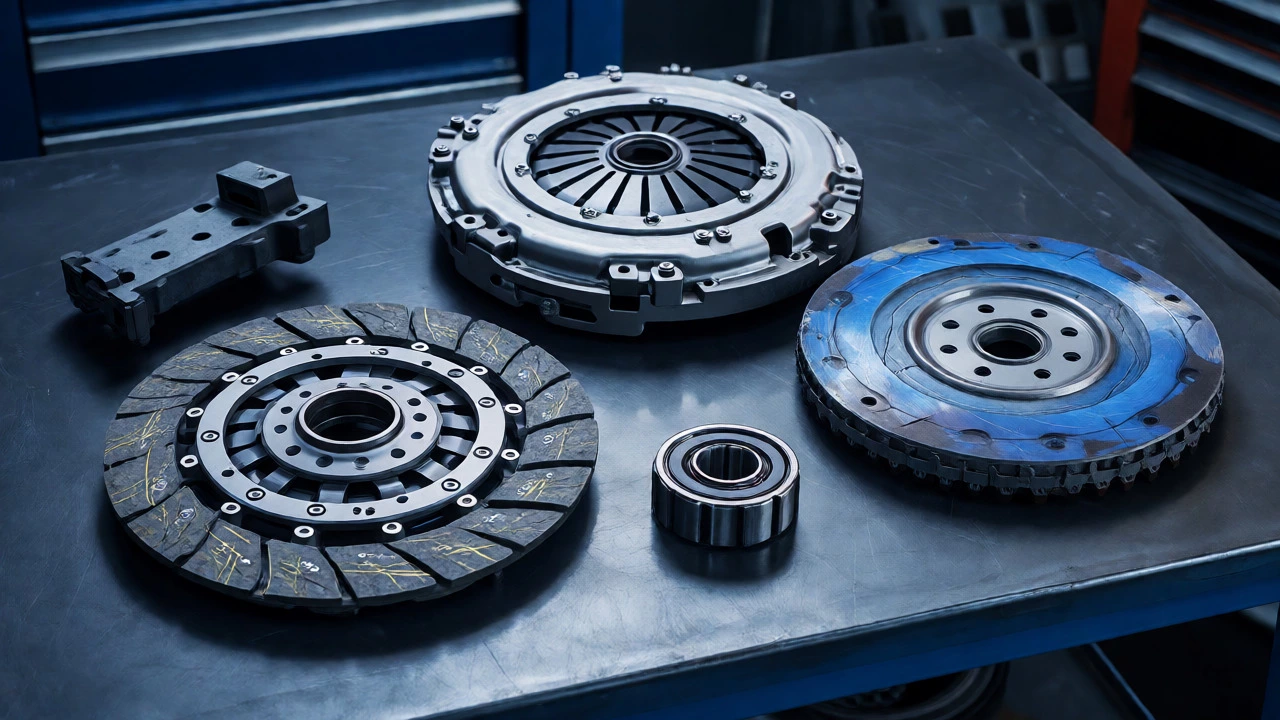
For most drivers, though, replacement is the only reliable fix. And when we say replacement, we mean a complete clutch kit. This typically includes three components: the clutch disc, the pressure plate, and the throw-out (release) bearing. Some kits include pilot bearings and alignment tools. Skipping the pressure plate or bearing to save $50 is false economy. These parts wear at similar rates, and accessing them requires the same labor-intensive job of splitting the transmission from the engine.
Step-by-Step: How to Replace a Burned Clutch
Replacing a clutch is a major job. On many modern front-wheel-drive vehicles, it involves dropping the subframe, meaning you might need to disconnect suspension components, exhaust sections, and shift linkages. If you’re handy with tools, here’s the general workflow.
- Lift and Support: Jack up the car and support it securely on stands. Remove the wheels to access the bottom of the engine bay.
- Disconnect Components: Unbolt the starter motor, shift cables/linkages, and any electrical connectors attached to the transmission. Drain the transmission fluid if necessary.
- Support the Engine: Use a jack with a wooden block under the oil pan to hold the engine steady. Disconnect the motor mounts that connect the engine to the chassis.
- Separate Transmission: Unbolt the transmission bell housing from the engine block. Carefully pull the transmission back. Be mindful of the input shaft sliding out of the clutch disc.
- Remove Old Parts: With the transmission off, unbolt the pressure plate from the flywheel. Note the orientation if there are any dowels. Remove the old disc and release bearing.
- Inspect Flywheel: Check the flywheel surface. Light scratches can be polished out. Deep grooves or blue discoloration mean it needs machining or replacement. Clean the mating surfaces thoroughly.
- Install New Kit: Lubricate the input shaft splines lightly (with moly grease, sparingly). Place the new clutch disc against the flywheel. Use an alignment tool to center the disc. Bolt the pressure plate in a star pattern to ensure even clamping force.
- Reassemble: Slide the transmission back onto the input shaft. Reattach the bell housing bolts, motor mounts, and all disconnected components. Refill transmission fluid.
- Bleed Hydraulics: If your car uses a hydraulic clutch, bleed the slave and master cylinders to remove air. Air pockets cause a soft pedal and incomplete disengagement.
Costs and Time Investment
Let’s talk numbers. In Australia, a quality aftermarket clutch kit for a standard sedan might cost between $150 and $400 AUD. Performance kits or those for larger SUVs can exceed $600. Labor is the bigger factor. Because of the complexity, professional shops charge 4-8 hours of labor. At average rates, expect to pay $400-$800 for labor alone.
If you do it yourself, you save the labor cost but invest significant time. Expect 6-10 hours for a first-time DIYer. You’ll need specialized tools like a clutch alignment tool and possibly a transmission jack. Factor in the cost of these tools if you don’t own them. Also, consider the risk: improper installation can lead to vibration, noise, or immediate failure, negating your savings.
Preventing Future Burnouts
Once you’ve fixed the problem, keep it fixed by changing how you drive. Stop resting your foot on the clutch pedal. Treat it like a switch: either fully engaged or fully released. When starting on hills, use the handbrake to hold the car instead of balancing on the clutch. This reduces strain significantly.
Avoid riding the clutch in traffic. If you’re stopped for more than a few seconds, put the car in neutral. This keeps the pressure plate fully clamped and cool. Finally, address any oil leaks immediately. Even a small drip from the rear main seal can contaminate a new clutch within weeks. Regular inspections during oil changes can catch these leaks early, protecting your investment.
How long does a clutch take to burn out?
A healthy clutch typically lasts between 50,000 and 100,000 kilometers. However, aggressive driving, frequent city stop-start traffic, or towing can reduce this lifespan to under 30,000 kilometers. Signs of wear usually appear gradually, allowing you to plan for replacement.
Can I drive with a slipping clutch?
You can drive short distances with a slipping clutch, but it’s risky. Continued slipping generates excessive heat, which can damage the flywheel and pressure plate, turning a simple disc replacement into a more expensive repair involving multiple components. Avoid highway speeds and heavy loads.
Do I need to replace the flywheel every time?
Not always. If the flywheel surface is smooth and free of deep scoring or heat cracks, it can often be reused. However, dual-mass flywheels found in many modern diesel cars are complex and may need replacement if they show signs of wear or damper failure. Inspect carefully before deciding.
What does a burned clutch smell like?
It has a distinct, pungent odor similar to burnt rubber or sulfur. Unlike brake dust smell, which is metallic, the clutch smell is sharper and tends to linger in the cabin ventilation system. It’s often most noticeable after climbing steep hills or rapid acceleration from a stop.
Is it cheaper to fix or replace a clutch?
Since the friction material cannot be repaired, replacement is the only option. Attempting to "fix" it by adjusting the linkage or bleeding hydraulics only addresses symptoms, not the root cause of worn material. Replacing the entire kit is the most cost-effective long-term solution.