Brake Pad Health & Replacement Estimator
Enter your vehicle details below to estimate when you might need new brake pads. Remember: this is an estimate. Always inspect visually or listen for noises.
Vehicle Profile
Estimated Remaining Life
-- km
Check for Warning Signs
You’re driving along the M2 in Adelaide, and suddenly that familiar high-pitched squeal hits your ears. Is it time for new brake pads friction components used to slow or stop a vehicle by pressing against the brake rotor, or is it just dust? The truth is, there’s no single magic number like "every 30,000 kilometers" that applies to every car. Your driving habits, the type of roads you take, and even the material of your pads play huge roles. But ignoring the signs can lead to expensive rotor damage or, worse, a safety hazard.
The Myth of Fixed Mileage Intervals
Most drivers look at their owner’s manual and see a recommendation like "inspect brakes every 15,000 km." That’s an inspection interval, not a replacement deadline. In reality, brake pad lifespan the duration or distance a set of brake pads remains functional before requiring replacement varies wildly. A city commuter stopping at traffic lights hundreds of times a day will burn through pads faster than a highway driver who rarely touches the brakes. On average, front brake pads last between 30,000 and 70,000 kilometers. Rear pads often last longer because they handle less load during normal braking.
If you live in hilly areas or drive a heavy SUV, expect the lower end of that range. Conversely, if you mostly cruise on flat highways with minimal stops, you might stretch it toward 80,000 km. It’s not about hitting a specific odometer reading; it’s about monitoring wear indicators.
Key Factors That Shorten Pad Life
Why do some cars need new pads after two years while others go five? It comes down to three main culprits: driving style, environment, and component quality.
- Aggressive Driving: Hard braking from high speeds generates intense heat and friction. If you’re the type who slams on the brakes at roundabouts rather than easing off the throttle early, you’re grinding away material unnecessarily.
- Traffic Conditions: Stop-and-go traffic is brutal on brakes. Each start-stop cycle requires a full engagement of the braking system. City dwellers in dense urban centers face significantly higher wear rates compared to rural drivers.
- Pad Material: Not all pads are created equal. Ceramic brake pads a type of brake pad made from dense ceramic fibers and non-ferrous filler materials, known for low dust and quiet operation tend to last longer and produce less dust but cost more upfront. Semi-metallic pads offer better performance under heat but wear rotors faster and create more noise.

Spotting the Warning Signs Early
Your car talks to you if you listen. Catching these signs early saves you from replacing both pads and rotors later.
Noise Indicators
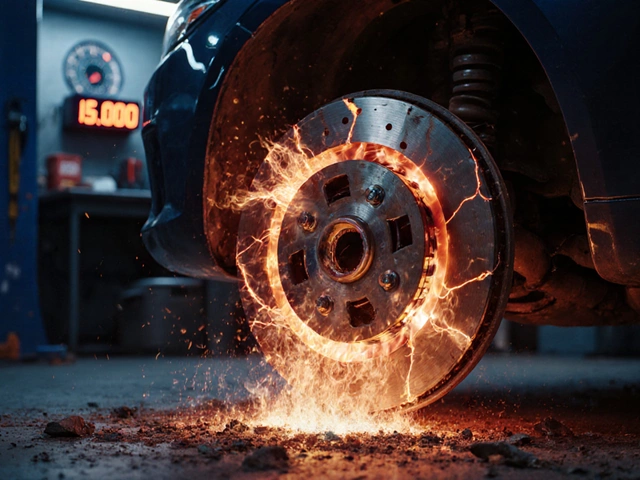
A faint squeak when you first press the pedal in the morning is often just moisture evaporation. However, a persistent high-pitched squealing usually means the wear indicator tab-a small metal piece attached to the pad-is touching the rotor. This is your final warning. If you hear a deep grinding sound, the friction material is gone, and metal is grinding against metal. At this point, you’ve likely damaged the brake rotor the rotating disc attached to the wheel hub against which the brake pads clamp to create friction.
Visual Inspection
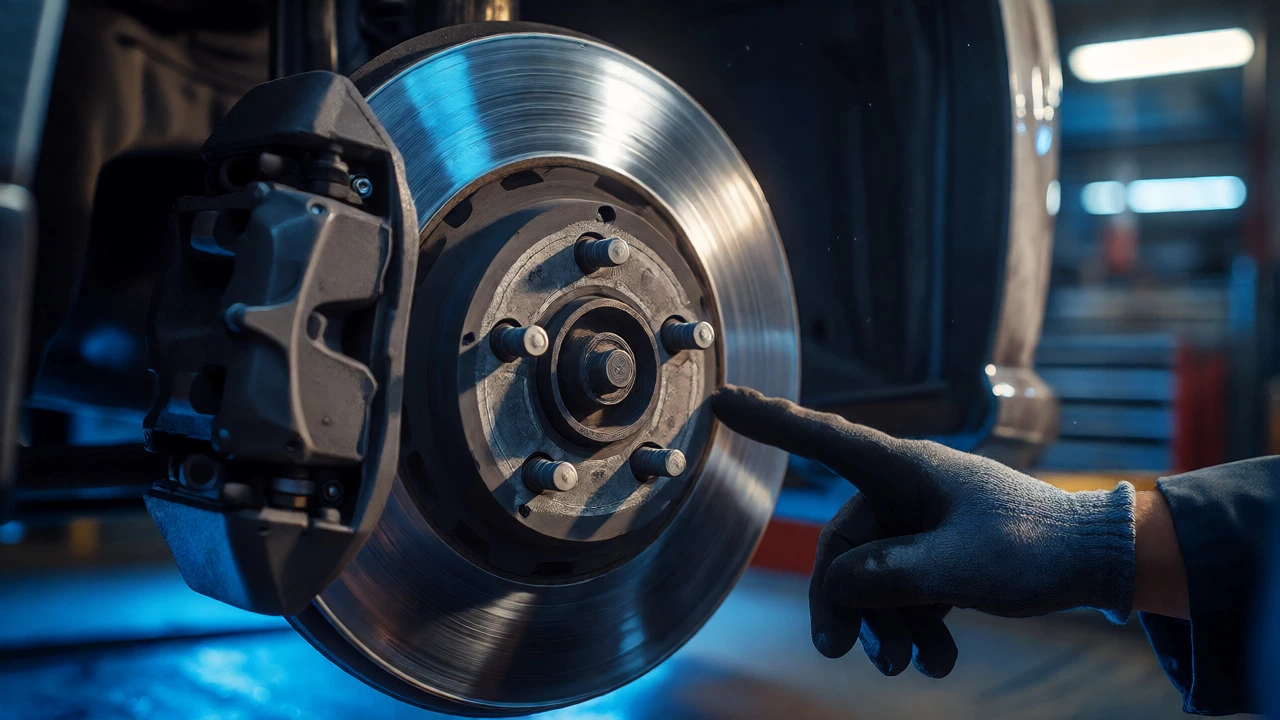
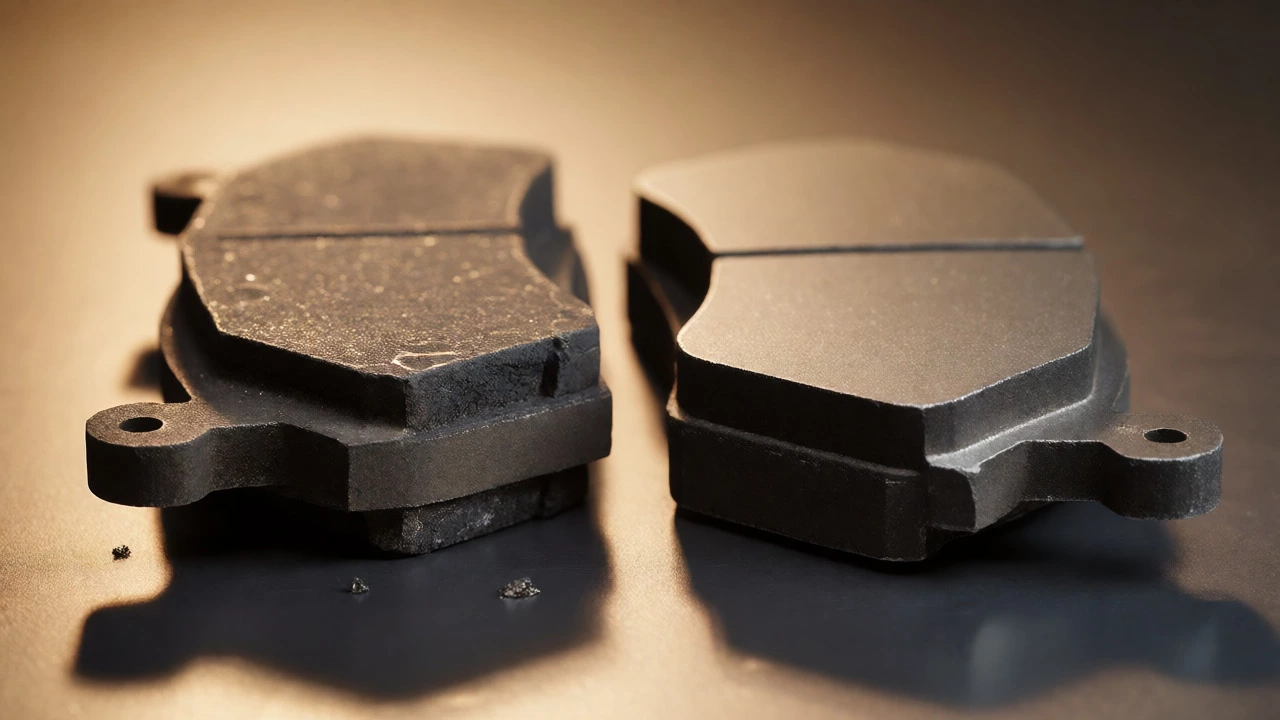
You don’t always need to remove the wheel to check pad thickness. Most modern alloy wheels allow you to peek through the spokes. Look for the backing plate and the friction material sandwiched between it and the rotor. New pads are typically 10-12 mm thick. When the friction material drops below 3 mm, plan for replacement. Below 1.5 mm, replace them immediately.
Pedal Feel
Does your brake pedal feel spongy or sink closer to the floor than usual? While this can indicate air in the lines or fluid issues, it can also mean the pads are worn thin enough that the caliper piston has to travel further. Additionally, if the steering wheel vibrates when braking, it’s often a sign of warped rotors caused by overheating from worn pads.
Different Lifespans by Pad Type
Understanding what you’re buying helps predict how long it will last. Here’s a quick breakdown of common pad types available in the Australian market.
| Pad Type | Average Lifespan (km) | Pros | Cons |
|---|---|---|---|
| Organic/Low-Metallic | 25,000 - 40,000 | Quiet, cheap, good initial bite | Fades quickly under heat, dusty |
| Semi-Metallic | 40,000 - 60,000 | Durable, handles heat well | Noisy, wears rotors faster |
| Ceramic | 50,000 - 80,000+ | Long-lasting, quiet, low dust | Expensive, less cold bite |
Front vs. Rear: Why They Wear Differently
It’s rare for front and rear pads to wear out simultaneously. Front brakes do about 70% of the work during typical deceleration because weight transfers forward when you hit the pedals. This means your front pads will almost always need replacing before the rears. Don’t let a mechanic convince you to replace all four sets at once unless the rears are genuinely near the end of their life. Check the thickness of each corner individually.
Maintenance Tips to Extend Pad Life
You can’t change physics, but you can change habits. Anticipate stops by lifting off the accelerator earlier. Use engine braking on downhill slopes instead of riding the brakes-this is crucial in hilly terrain around Adelaide’s hills. Regularly flush your brake fluid hydraulic fluid used in hydraulic brake systems to transmit force from the pedal to the calipers every two years. Old fluid absorbs moisture, lowering its boiling point and causing fade, which makes you brake harder and wear pads faster.
Can I drive with worn brake pads?
You can drive short distances with pads that have reached the minimum thickness (around 3mm), but it’s risky. Once the wear indicator starts screaming, you should book a service immediately. If you hear grinding, stop driving as soon as safely possible, as you are damaging the rotor and losing braking efficiency.
Do brake pads need to be replaced in pairs?
Yes, always replace brake pads in axle pairs (both fronts or both rears). Replacing only one side can cause uneven braking, leading to the car pulling to one side and potentially causing premature wear on the new pad or stress on the suspension.
What does the brake warning light mean?
The dashboard brake light usually indicates low brake fluid levels or a problem with the parking brake. It doesn’t always directly signal worn pads, although severe wear can sometimes trigger sensors in certain vehicles. Always check fluid levels first, then inspect pad thickness.
Is it cheaper to resurface rotors or replace them?
Resurfacing (turning) rotors is cheaper upfront but leaves thinner metal behind, reducing heat dissipation capacity. Modern rotors are often designed to be disposable. If rotors are already thin or heavily scored, replacement is safer and often more cost-effective long-term.
How long does brake pad replacement take?
A professional mechanic can typically replace one axle’s worth of brake pads in 30 to 60 minutes. If rotors are being replaced too, add another 30 minutes per axle. DIY jobs take longer depending on your tool availability and experience.