Fuel Pump Failure Risk Checker
Select all issues or habits that apply to your current situation:
Risk Assessment Result
Status: Healthy
Your fuel pump appears to be in good condition. Keep up with regular maintenance.
Your car is driving perfectly fine one day, and the next, it cranks but won’t start. You check the battery, you check the spark plugs, but nothing happens. Chances are, your fuel pump is an electric motor-driven device that transfers fuel from the tank to the engine at high pressure. It’s the heart of your vehicle’s fuel delivery system, pushing gasoline or diesel through lines to be atomized by injectors. When it fails, the engine starves. But why does this critical component suddenly give up? Is it just bad luck, or did something specific cause the damage?
Fuel pumps don’t usually die without warning. They degrade over time due to a combination of heat, friction, contamination, and electrical stress. Understanding what causes a fuel pump to go bad can save you hundreds of dollars in unnecessary repairs and help you spot the signs before you’re stranded on the side of the road.
The Silent Killer: Running on Empty Too Often
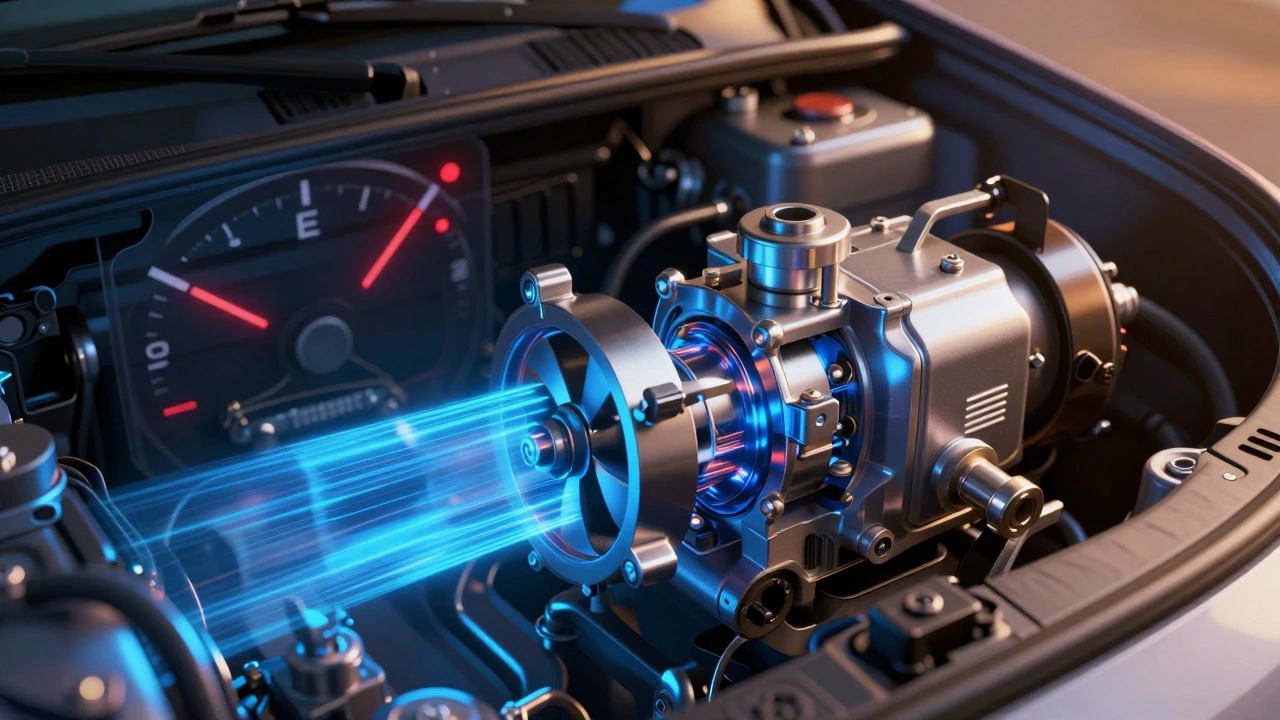
If there is one habit that destroys fuel pumps faster than anything else, it’s letting your gas gauge hit empty. Most modern cars have their fuel pumps submerged directly in the fuel tank. This isn’t just for convenience; it’s for cooling. Gasoline acts as a coolant for the pump’s electric motor. When the tank is full, the pump sits in a bath of liquid that absorbs the heat generated by its operation.
When you run low on fuel, the pump is exposed to more air and less liquid. Air doesn’t cool nearly as well as liquid. Over time, running the tank down to “E” repeatedly causes the pump to overheat. The internal components expand, seals dry out, and the motor windings can degrade. Think of it like running a laptop with a clogged fan-it might work for a while, but the constant heat will eventually fry the hardware. If you want your fuel pump to last, try to refuel when you hit a quarter tank, not when the warning light comes on.
Dirt and Debris: The Clogging Problem
Your fuel tank is not a sterile environment. Over years of use, rust flakes, sediment, and microscopic debris settle at the bottom of the tank. In older vehicles, this is often rust from the metal tank itself. In newer cars with plastic tanks, it’s often dirt kicked up from the road or contaminants introduced during refueling.
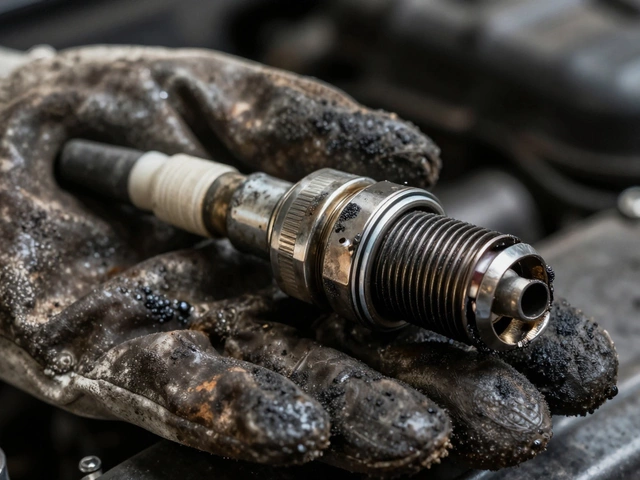
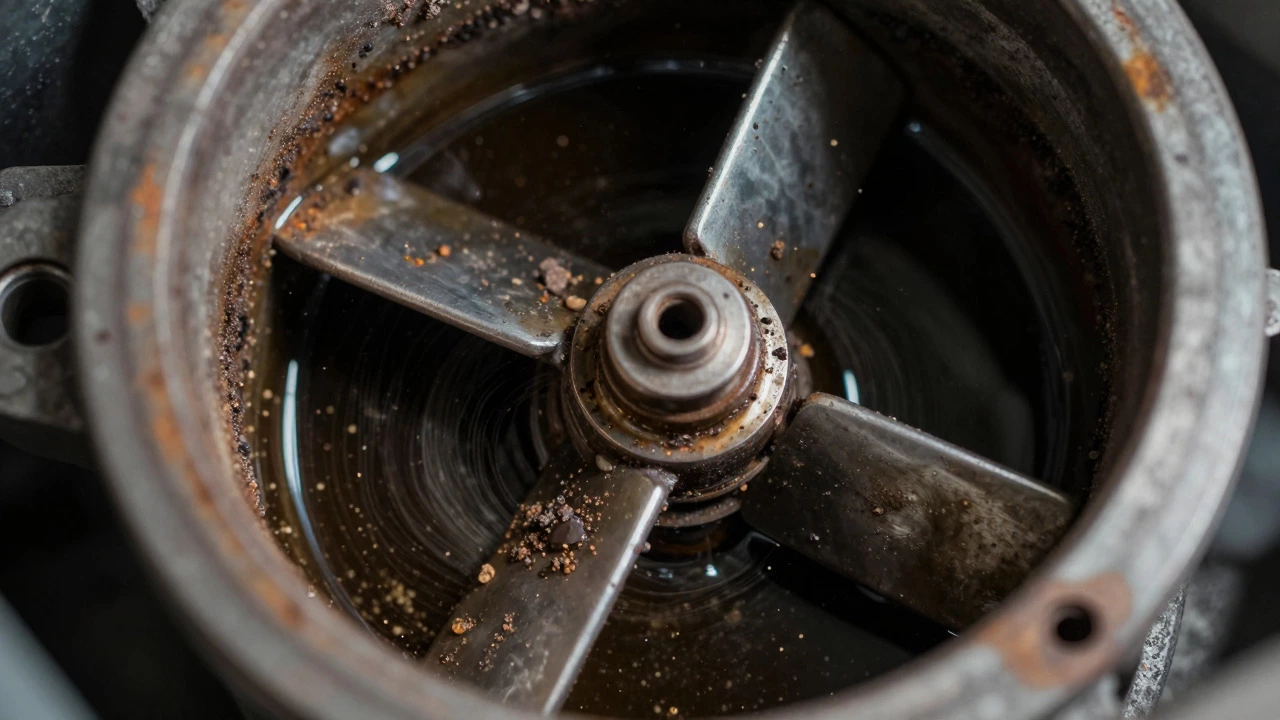
This debris gets sucked into the fuel pump along with the gasoline. While many systems have a screen or filter right at the pump inlet to catch large particles, fine silt passes through. This grit acts like sandpaper inside the pump’s impeller and housing. As the pump spins at thousands of revolutions per minute, these abrasive particles wear down the precision-machined parts. Eventually, the clearances become too wide, pressure drops, and the pump can no longer deliver enough fuel to the engine.
A related issue is a clogged fuel filter is a component that removes contaminants from the fuel before it reaches the engine. In many modern direct-injection engines, the fuel filter is integrated into the pump assembly or located in the line. If this filter becomes blocked, the pump has to work much harder to push fuel through. This increased strain generates more heat and puts extra load on the motor, accelerating wear.
Electrical Gremlins: Voltage and Wiring Issues
A fuel pump is an electric motor, which means it’s vulnerable to electrical problems. One common cause of premature failure is incorrect voltage. If the wiring harness leading to the pump is corroded, frayed, or has loose connections, the resistance increases. This causes voltage drop, meaning the pump receives less power than it needs. To compensate, the motor draws more current, generating excess heat and burning out the windings.
Conversely, a failing alternator or voltage regulator can send spikes of high voltage to the pump. These surges can instantly blow the internal circuitry or melt the insulation on the motor coils. Another electrical culprit is the fuel pump relay. The relay is the switch that turns the pump on and off. If the contacts inside the relay weld shut or stick, the pump may run continuously even after the engine is turned off. This leads to rapid overheating and burnout within hours or days.
Poor Quality Fuel and Contaminants
Not all gasoline is created equal. While major brands generally meet strict standards, cheaper stations or poorly maintained storage facilities can introduce water and ethanol issues into your tank. Ethanol, commonly added to gasoline (like E10 or E15), is hygroscopic, meaning it attracts water. If water mixes with your fuel, it can separate and sink to the bottom of the tank-the exact same place where your fuel pump intake is located.
Water doesn’t lubricate like gasoline does. It can cause corrosion inside the pump mechanism and lead to cavitation. Cavitation occurs when bubbles form in the fuel because of low pressure or vaporization, then collapse violently against the pump’s impeller. This creates tiny shockwaves that pit and erode the metal surfaces over time. Additionally, some aftermarket fuel additives, if used excessively or incorrectly, can leave sticky residues that gum up the pump’s moving parts.
Age and Wear: The Natural Lifecycle
Even with perfect care, fuel pumps are consumable parts. They are mechanical devices with moving parts, bearings, and brushes (in brushed motors). Most manufacturers design fuel pumps to last between 80,000 and 100,000 miles. After that, wear becomes inevitable. The carbon brushes in the motor wear down, reducing efficiency. The bearings loosen, causing vibration and noise. The seals harden and leak.
Heat cycles also play a role. Every time you start your car, the pump goes from cold to hot, and every time you turn it off, it cools down. This expansion and contraction stress the materials. Plastic housings can crack, and solder joints can fatigue. If you own an older vehicle, a failing fuel pump might simply be a sign that it has reached the end of its natural lifespan, not that you did anything wrong.
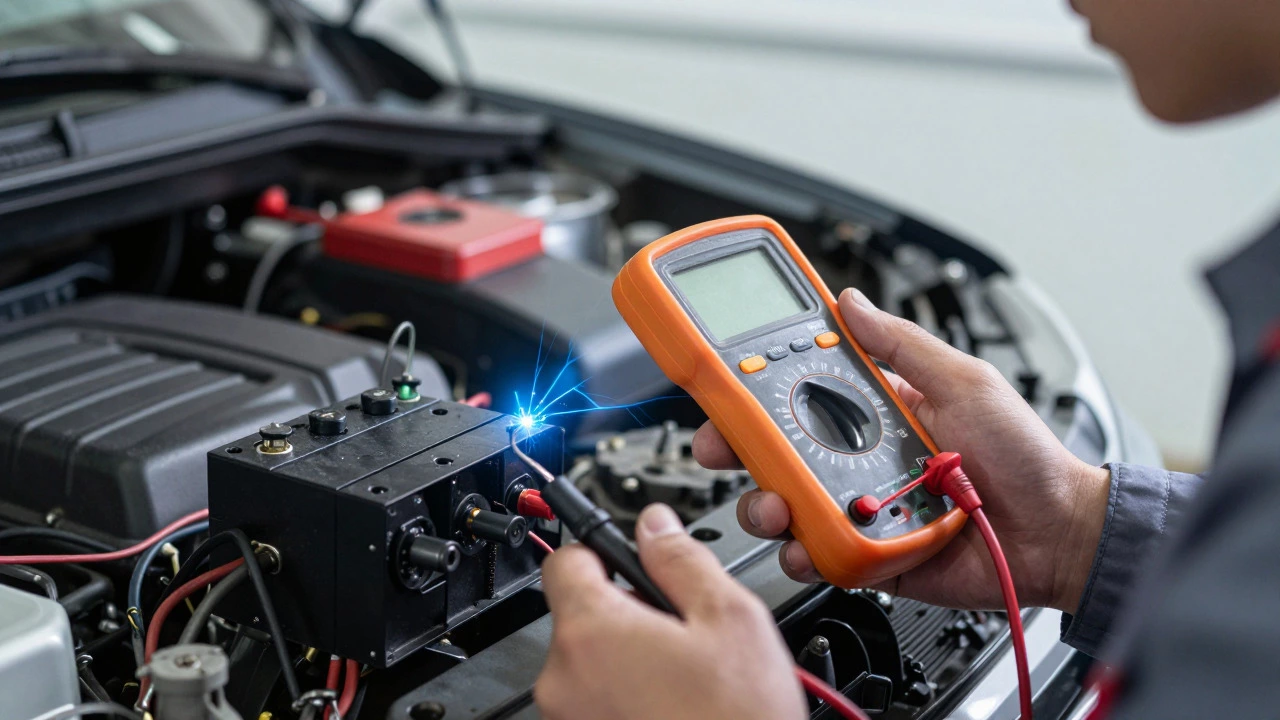
High-Performance Modifications and Increased Demand
If you’ve modified your engine to produce more horsepower, your stock fuel pump might not cut it anymore. Adding turbochargers, superchargers, or tuning the engine for higher compression ratios increases the amount of fuel required. A stock pump is designed to deliver a specific volume of fuel at a specific pressure for a naturally aspirated engine of a certain size.
When you demand more fuel than the pump can provide, it runs at maximum capacity constantly. This continuous high-load operation generates significant heat and accelerates wear. Many enthusiasts make the mistake of installing a larger turbo without upgrading the fuel delivery system. The result is a lean condition (too little fuel) under load, which can damage the engine, followed quickly by a burned-out fuel pump trying to keep up. Always match your fuel pump’s flow rate (measured in liters per hour) to your engine’s peak horsepower requirements.
| Cause | Mechanism of Damage | Prevention Tip |
|---|---|---|
| Running on Empty | Overheating due to lack of fuel cooling | Refuel when tank hits 1/4 full |
| Contaminated Fuel | Abrasive wear from dirt/rust; corrosion from water | Use reputable gas stations; replace fuel filter regularly |
| Electrical Issues | Voltage spikes or drops burn out motor windings | Check wiring harnesses and relays annually |
| Clogged Filter | Increased strain and heat on the pump motor | Follow manufacturer’s interval for filter replacement |
| Age/Wear | Natural degradation of bearings, brushes, and seals | Expect replacement around 80k-100k miles |
Early Warning Signs Your Fuel Pump is Failing
You don’t have to wait until your car won’t start to know there’s a problem. Fuel pumps usually announce their demise with subtle symptoms. Pay attention to these red flags:
- Squealing or Whining Noise: Listen to your fuel tank area when you first turn the key. A high-pitched whine that gets louder indicates worn bearings or an impeller rubbing against the housing.
- Loss of Power Under Load: If your car feels sluggish when accelerating or climbing hills, the pump may not be delivering enough pressure.
- Engine Sputtering at High Speeds: This suggests intermittent fuel delivery, often caused by a failing pump struggling to maintain consistent flow.
- Difficulty Starting: If the engine cranks for a long time before catching, especially when hot, the pump may be losing prime or pressure retention.
- Sudden Stalling: The car dies unexpectedly while driving, only to restart after cooling down for a few minutes. This is a classic sign of thermal shutdown in a failing pump.
How to Extend the Life of Your Fuel Pump
While you can’t stop time, you can significantly extend the life of your fuel pump with simple habits. First, never let your tank run below a quarter full. Second, use quality fuel from busy stations where the product moves quickly, reducing the chance of stale or contaminated gasoline. Third, replace your fuel filter according to the manufacturer’s schedule-usually every 30,000 to 60,000 miles. Finally, if you live in a hot climate, consider having your mechanic check the fuel pump relay and wiring connections during routine service to ensure stable voltage delivery.
Ignoring early signs of trouble can lead to complete failure, leaving you stranded and potentially damaging other components like fuel injectors due to lack of lubrication. By understanding what causes a fuel pump to go bad, you take control of your vehicle’s reliability and avoid costly emergency tow truck calls.
How much does it cost to replace a fuel pump?
The cost varies widely depending on your vehicle. For most standard cars, parts range from $150 to $400, while labor can add another $100 to $300. Luxury vehicles or those with complex access points (like rear-mounted tanks) can exceed $800 total. Always get a quote from a trusted mechanic.
Can a bad fuel pump cause the check engine light to come on?
Yes. A failing fuel pump often triggers codes related to lean fuel mixture (P0171, P0174) or fuel pressure regulation (P0087, P0088). The engine computer detects that the air-fuel ratio is off because not enough fuel is being delivered, illuminating the check engine light.
Is it safe to drive with a failing fuel pump?
It’s risky. While you might be able to drive slowly to a repair shop, a failing pump can stall completely at any moment. Stalling in traffic or on a highway is dangerous. Additionally, inconsistent fuel pressure can cause engine misfires, which may damage the catalytic converter over time.
Does ethanol-free gas help prevent fuel pump failure?
Ethanol-free gas can reduce the risk of water absorption and phase separation, which protects against corrosion and cavitation. However, it won’t prevent wear from dirt, age, or electrical issues. It’s a helpful preventative measure but not a cure-all.
How do I test if my fuel pump is working?
You can listen for the humming sound when turning the key to the “on” position. For a precise test, a mechanic uses a fuel pressure gauge connected to the service port on the fuel rail. If the pressure is below the manufacturer’s specification, the pump or filter is likely faulty.