The Reality of Wear and Tear
Most people throw away their windscreen wipers is a critical safety component made primarily of rubber elements attached to a metal frame. wiper blades typically survive six months before streaking becomes annoying.
That timeline is standard, but it doesn’t have to be fixed. I live in Adelaide, where the summer sun bakes everything and dust storms roll down from the north in winter. These conditions cook the rubber faster than you think. If you want your blades to work well beyond the average six-month mark, you need to treat them differently.
Understanding Rubber Degradation
The enemy isn’t just friction. It is oxidation. When sunlight hits the polymer chains in the rubber, they break down. This process turns the soft edge hard and brittle. Once the edge hardens, it cannot conform to the curvature of the glass. You get streaks because parts of the blade aren’t touching the surface anymore.
To stop this, we need to protect the material itself. Think of the blade edge like skin. It needs moisture and protection from harsh rays.
- UV Exposure: Leaving a car outside in the Australian sun dries out the rubber coating significantly faster than indoor storage.
- Ozone Damage: Air pollution breaks down latex compounds over time.
- Salt and Dust: Particulate matter acts as sandpaper every time the wiper moves.
The Correct Cleaning Method
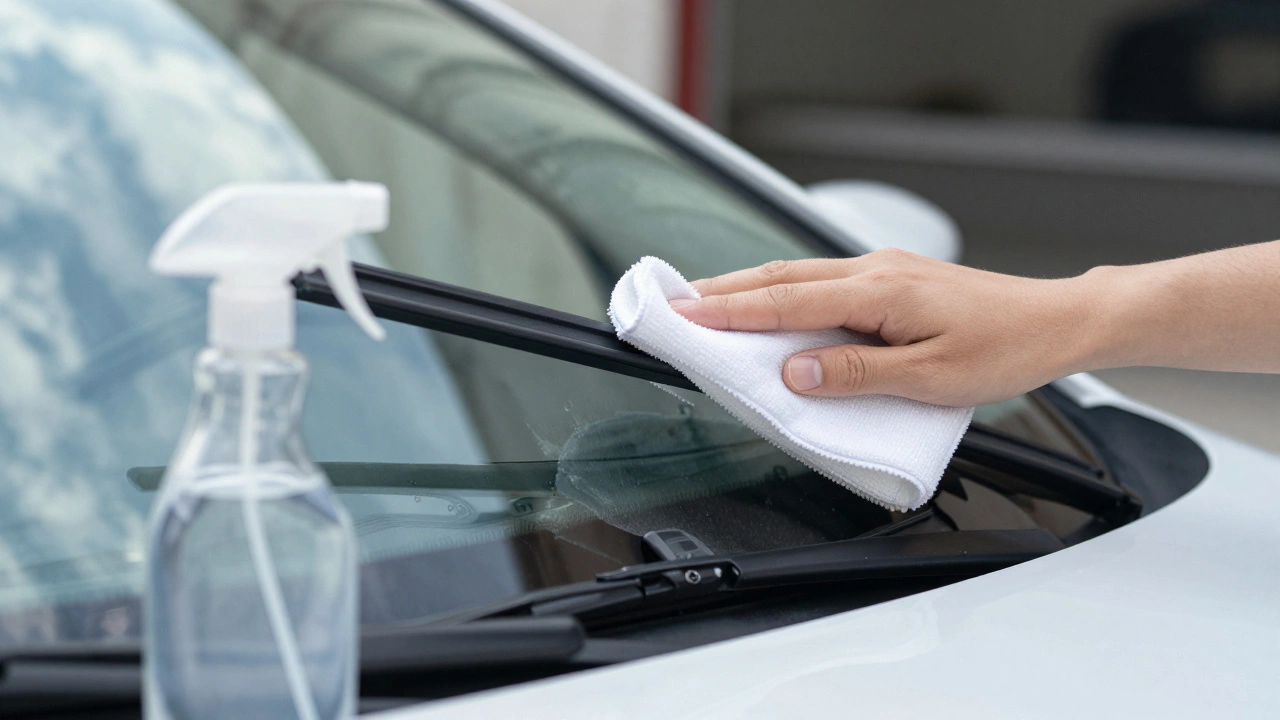
Cleaning your glass is one thing. Cleaning the wipers themselves is a different task entirely. Many drivers spray cleaner on the screen and assume the wiper does the rest. That logic puts grit onto the rubber edge directly. Instead, you should remove the debris sitting in the squeegee edge manually.
- Park in the shade. Do not wipe a hot blade while it is baking in direct sun.
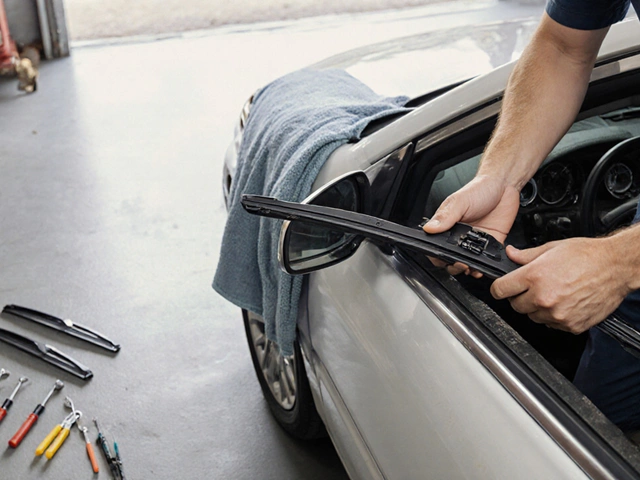
- Remove the arm carefully. Lift the metal arm off the glass until it clicks or stops safely. Never leave the arm unsupported while working under it.
- Use a microfiber cloth. Paper towels scratch the rubber. Wrap a clean cloth around the blade and gently pull down the length of the edge.
- Apply vinegar solution. A mix of distilled water and white vinegar cuts through the oil film that builds up from exhaust fumes.
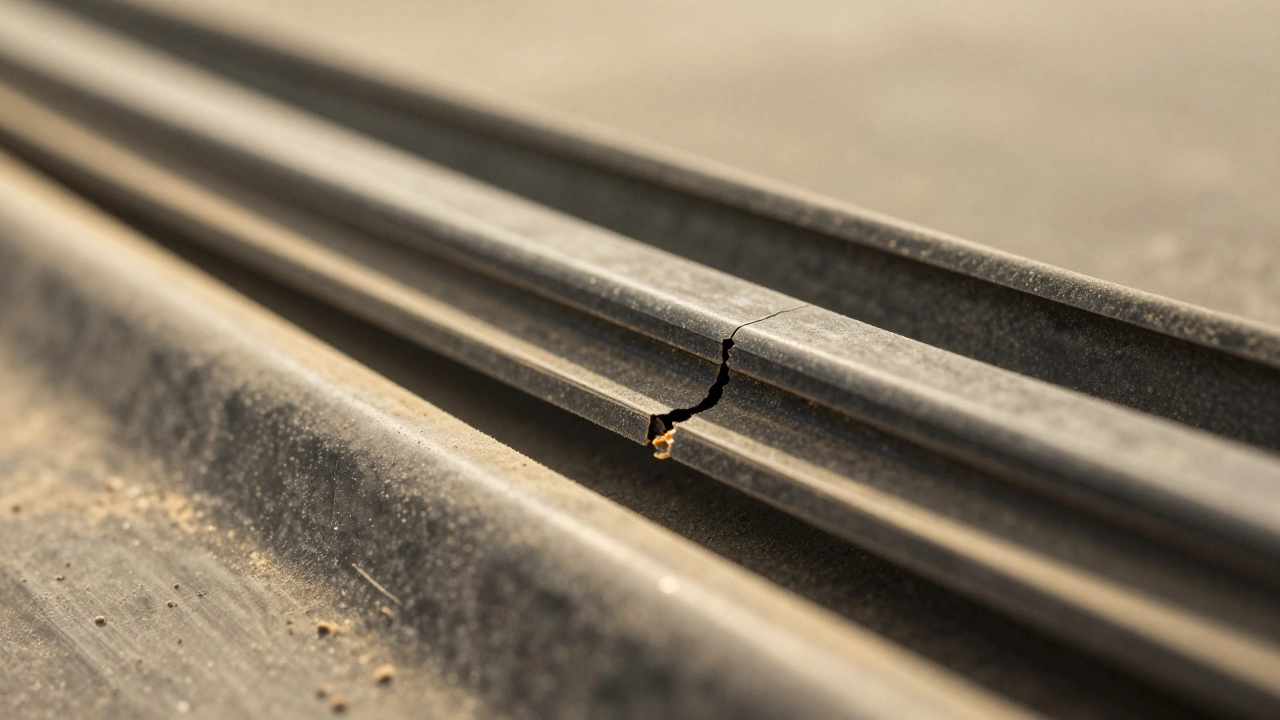
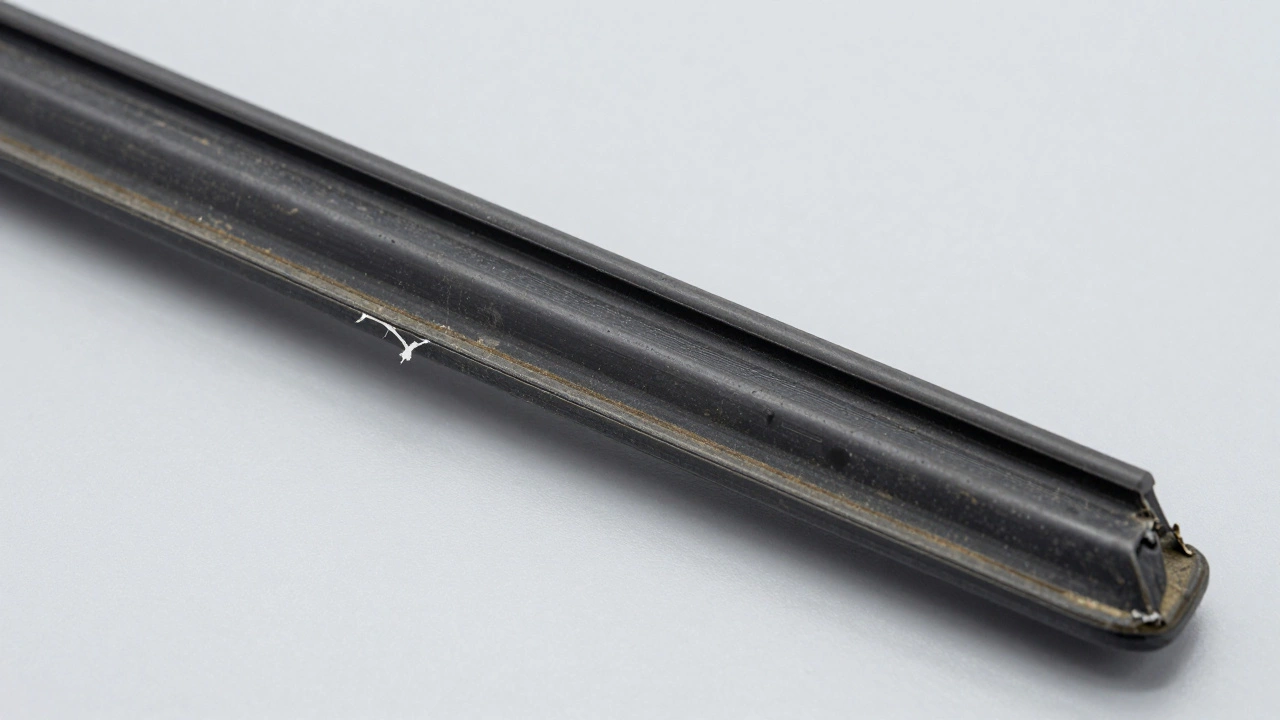
If you notice small tears or cracks during inspection, stop immediately. A nicked rubber edge will never seal perfectly again, no matter how much you clean it.
Choosing the Right Blade Type
All wipers are not created equal. Standard frame-dependent blades often trap dirt between the metal hinges and the rubber insert. Over time, this trapped dirt prevents the rubber from wiping evenly.
| Feature | Frameless Beam Blades | Conventional Frame Blades | Silicone Coated Blades |
|---|---|---|---|
| Lifespan | High (less dirt trapping) | Medium (dirt collects in joints) | Very High (hydrophobic) |
| Price | Moderate | Low | High |
| Performance in Cold | Excellent | Average | Superior |
| Noise Level | Quiet | Noisy if dirty | Silent |
For Adelaide weather, windscreen wipers with silicone coating offer the best longevity. They repel water rather than pushing it, which means less friction and wear. The hydrophobic layer reduces the mechanical stress on the rubber.
Using Washer Fluid Effectively
You might wonder why you shouldn’t just fill the reservoir with plain tap water. Tap water contains minerals that leave scale deposits on the glass. Every time the wiper runs over those deposits, it grinds them into the rubber edge. Always use commercial windshield washer fluid contains surfactants and anti-freeze agents. In winter, ensure the formula protects below freezing temperatures so the fluid doesn’t clog your nozzle or hose.
The chemicals in washer fluid also help dissolve bugs and tree sap. Without these additives, the rubber has to physically tear through dried debris. That accelerates wear significantly. Changing your fluid before the rainy season starts ensures a clean starting point for the blades.
Parking and Storage Habits
Where you park changes how fast your rubber deteriorates. If you own a garage, use it. Even an open carport reduces UV exposure by fifty percent compared to being fully exposed. If you park on the street, consider a protective cover designed specifically for the wipers.
In dusty environments, keeping the blades covered when the vehicle sits overnight prevents abrasive particles from settling on the rubber overnight. Morning dew helps wash some dust away, but heavy particulate remains.
A simple trick for street parking is raising the arms slightly when you leave for long periods. This lifts the edge away from the hottest part of the dashboard air vent area, though it leaves the glass exposed to dust accumulation.
Dry Running Risks
Perhaps the fastest way to destroy a new set is running them dry. Friction creates heat. Heat melts the rubber compounds unevenly. If the screen is dry and you flip the switch, the friction coefficient spikes instantly.
- Always spray fluid before activating the wipers if the glass looks dry.
- Never use the intermittent setting if the glass is bone dry.
- In icy conditions, melt the ice before attempting to move the blades.
Ice stuck to a moving blade causes permanent distortion to the rubber strip. This damage manifests later as chattering sounds or skipping patches across the view.
Knowing When to Replace
There comes a point where maintenance fails. Rubber ages chemically even without physical abuse. Oxidation happens at the molecular level regardless of how carefully you park. Look for these specific signs:
- Streaking: Vertical lines remain after the swipe passes.
- Squealing: High-pitched noises indicate high friction due to hardened edges.
- Skipping: The blade bounces across the glass surface.
- Fringing: Small torn pieces of rubber visible along the cutting edge.
Once you see fringing, the structural integrity is gone. No amount of cleaning will restore flexibility. At this stage, buying replacements restores safety. Waiting risks poor visibility in sudden downpours.
Proper Storage During Offseasons
If you plan to store a vehicle for months, remove the blades entirely. Place them in a plastic bag away from heat sources. Stored flat without pressure on the curve keeps the natural shape. This applies especially to older cars where the bracket design puts tension on the rubber when parked.
Can I use rubbing alcohol on my wiper blades?
Yes, diluted isopropyl alcohol works well to degrease old residues, but avoid full strength. High concentrations of alcohol can dry out the rubber quickly, making it crack sooner.
Should I lift my wipers during a storm?
No, do not leave them lifted. If hail or heavy wind occurs, the free-swinging arm can damage the hood or windshield. Only lift them for cleaning or short-term parking convenience.
What is the best fluid for winter conditions?
Use a concentrated antifreeze formula rated for at least -15 Celsius. Mixing too much water dilutes the freezing point protection, risking frozen pipes and nozzles.
Why do my wipers chatter occasionally?
Chattering usually happens due to uneven glass surface contamination or worn blade edges. Try treating the glass with a rain repellent or replacing the worn blades.
How often should I inspect my wipers?
Inspect visually every month. Test functionality by spraying washer fluid and checking for streaks. Ideally, replace them every 12 months regardless of condition for maximum safety.