Windscreen Wiper Condition Checker
Streaking
Chattering
Squeaking
Visible Damage
Over 12 Months Old
No Issues Found
Select an option on the left to see results.
Why Your Windshield Is the Most Critical Safety Feature You Ignore
You check your tires before a long trip. You top up your gas tank when it hits half-empty. But how often do you think about those two rubber arms sitting on your windshield? Probably not until they start squeaking, streaking, or freezing solid in January. That is exactly when you need them most.
Windscreen wipers are mechanical devices that clear rain, snow, and debris from vehicle windshields to maintain driver visibility. They seem simple, but using them correctly can mean the difference between a safe drive home and a terrifying loss of control. Most drivers treat them like an 'on/off' switch, but there is a right way and a wrong way to operate them depending on the weather, the season, and the condition of your blades.
The Basics: Operating Your Wiper System Correctly
Before we talk about maintenance, let’s make sure you are actually using the controls properly. Every car has a stalk or button for this, usually located on the right side of the steering column. Here is the breakdown of what each setting does and when to use it.
- Off (O): The default position. Use this when the weather is clear.
- Mist (M): A single wipe. Perfect for clearing away a few stray droplets or dust without leaving streaks.
- Intermittent: The wipers pause for a few seconds between wipes. This is ideal for light drizzle where continuous wiping would be distracting.
- Low Speed: Continuous slow wiping. Use this during steady, moderate rain.
- High Speed: Fast, continuous wiping. Reserve this for heavy downpours or storms.
Many modern cars also have a rain sensor or automatic mode. If your car has this, it uses infrared sensors to detect water droplets and adjusts the speed automatically. It is convenient, but sometimes it reacts too slowly in sudden squalls. In those cases, override it with manual high speed.
The Golden Rule: Never Run Dry Wipers
This is the number one mistake people make. If you turn on your wipers without spraying fluid, you are grinding dirt and road grime directly into your glass. Over time, this creates micro-scratches that scatter light at night, making headlights from oncoming cars look like blinding stars.
Always spray windshield washer fluid first, then engage the wipers. Let the fluid loosen the gunk, then let the blades do their job. Think of it like washing dishes: you don’t scrub a dirty plate with a dry sponge; you soak it first.
Winter Survival: How to Avoid Frozen Wipers
If you live anywhere that drops below freezing, your wipers are vulnerable. Leaving them in the 'parked' position against the glass invites ice to bond them tightly to the windshield. When you try to turn them on, you risk burning out the motor or tearing the rubber off the arm.
Here is the trick: Park your car with the wipers in the 'service' position if possible, or simply lift them slightly off the glass before a freeze. Better yet, cover them with a towel or a dedicated wiper cover overnight. When you get in the next morning, do not hit the wiper switch immediately. Turn on your defroster and wait for the ice to melt naturally. If you must scrape the ice off, use a plastic scraper gently, avoiding the rubber edge.
When to Replace Your Blades: Signs You Are Driving Blind
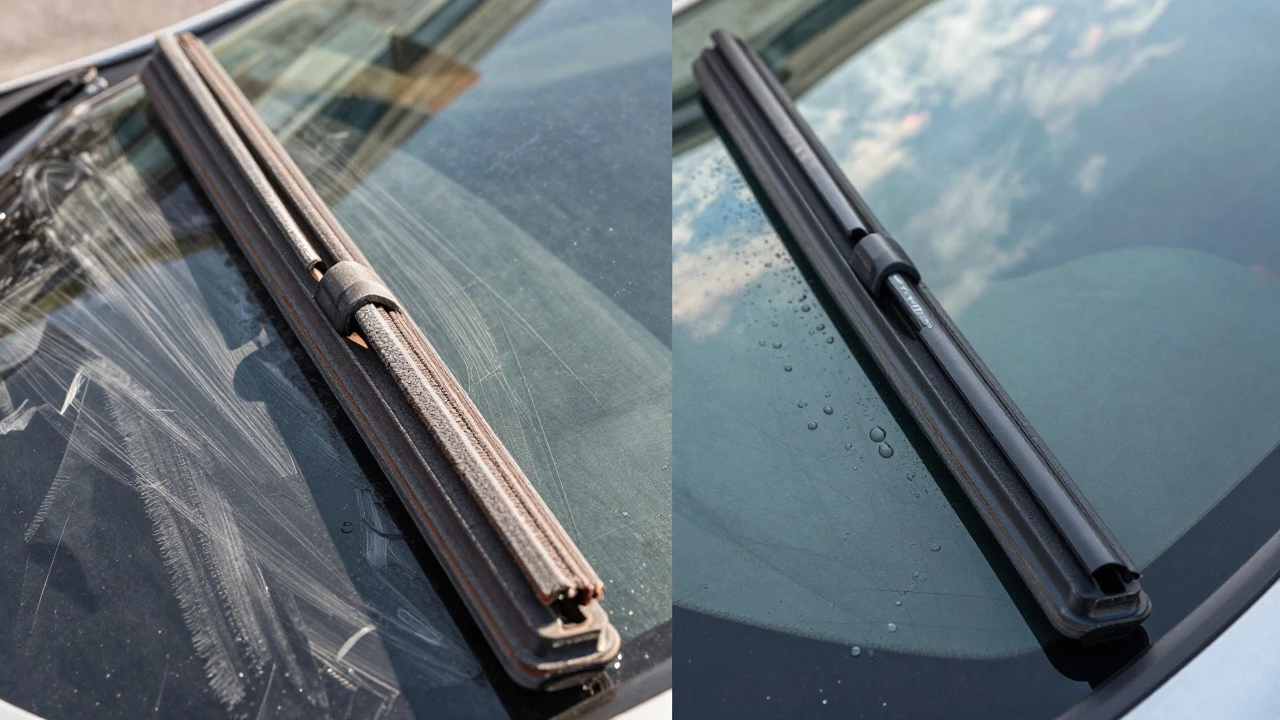
Rubber degrades over time due to UV exposure, heat, and cold. Even if you never drive in the rain, your wiper blades will harden and crack within 6 to 12 months. Here is how to tell if it is time to swap them out:
- Streaking: You see lines of water left behind after a wipe.
- Chattering: The blade skips across the glass instead of gliding smoothly.
- Squeaking: A high-pitched noise indicates the rubber is too dry or hardened.
- Visible Damage: Look for tears, splits, or missing chunks in the rubber edge.
If any of these happen, replace them immediately. Cheap blades cost $10-$20, but poor visibility costs far more in potential accidents.
Step-by-Step: Changing Your Own Wiper Blades
You do not need a mechanic for this. It takes five minutes and requires no tools. However, every car brand uses a different attachment mechanism. The three most common types are:
- Hook Arm: The blade slides onto a J-shaped hook. Common on older vehicles and many Asian brands.
- Bayonet/Side Pin: The blade clips in from the side. Common on European cars like BMW and Mercedes.
- Top Hook/U-Hook: Similar to the hook arm but attaches differently. Common on Ford and Chevrolet models.
To change them safely:
- Park on a flat surface and turn off the engine.
- Lift the wiper arm away from the windshield. Place a towel under the arm to prevent it from snapping back and cracking the glass.
- Locate the release tab or button on the blade connector. Press it while sliding the old blade off the arm.
- Slide the new blade onto the arm until it clicks into place.
- Gently lower the arm back onto the windshield.
Test them with some washer fluid to ensure they sit flat against the glass. If they leave a gap, they might be installed incorrectly or the wrong size.
Choosing the Right Fluid for the Job
Not all fluids are created equal. Standard blue fluid works fine in summer, but it freezes in winter. Always check the label for the freezing point. For winter, buy 'all-season' or 'winter-specific' fluid that contains alcohol or methanol to prevent freezing. These fluids also help dissolve bug splatter and tree sap better than standard mixes.
Avoid using plain water. It lacks cleaning agents, so it just smears dirt around. It also freezes easily and can cause rust in your reservoir and pump over time.
| Type | |||
|---|---|---|---|
| Conventional Frame | Uses metal springs to hold rubber against glass. Affordable but prone to icing up in winter. | $5-$15 per pair | 6-9 months |
| Beam/Hybrid | Single piece of flexible material with internal spring. Sleek design, better aerodynamics, less likely to freeze. | $15-$30 per pair | 9-12 months |
| Flat/All-Weather | Similar to beam but with specialized rubber compounds for extreme temperatures. | $20-$40 per pair | 12+ months |
Troubleshooting Common Issues
If your wipers act up, here is how to diagnose the problem quickly:
- Wipers won't move: Check if they are frozen to the glass. If not, the fuse might be blown or the motor failed.
- One wiper moves slower: The linkage may be loose or the gear inside the transmission box is worn.
- Fluid doesn't spray: The nozzle might be clogged with dirt. Use a pin to clear it. If that fails, the pump may be dead.
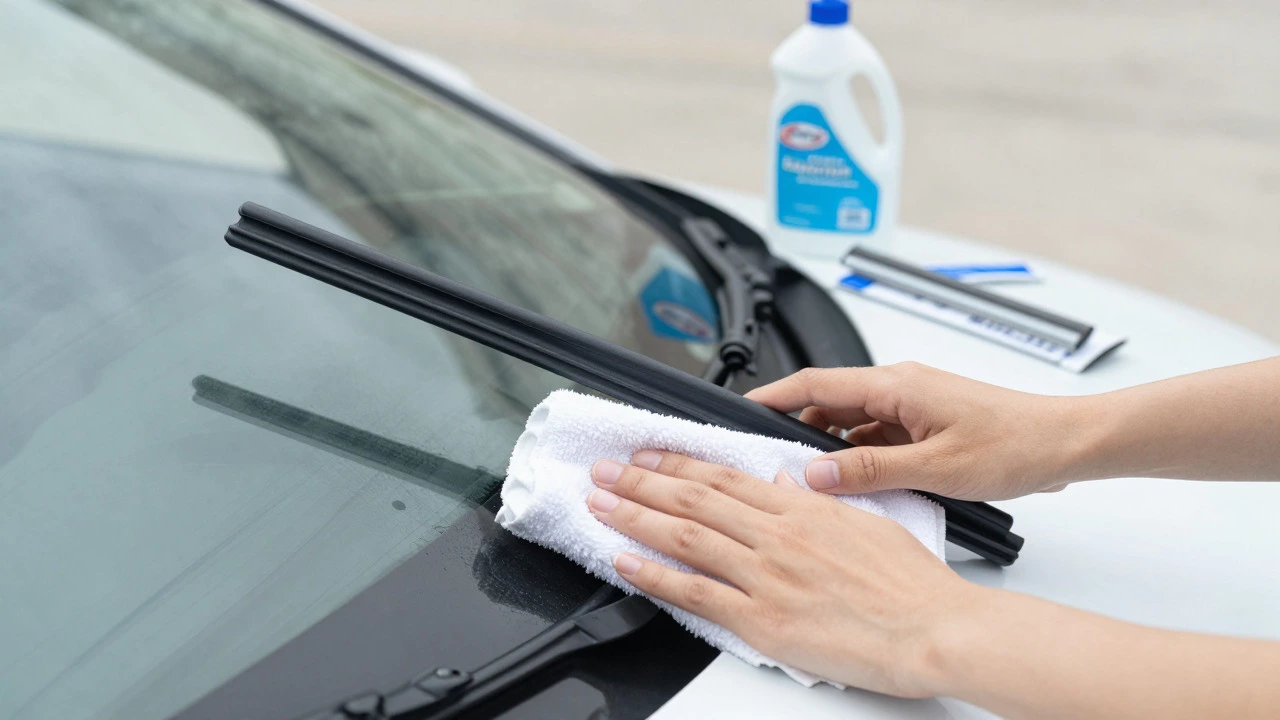
- Blades chatter: Clean the windshield with glass cleaner (not dish soap) to remove oil film. Then clean the rubber blades with a damp cloth.
How often should I replace my windscreen wipers?
You should replace your wiper blades every 6 to 12 months. Rubber degrades due to sun exposure and temperature changes, even if you rarely drive in the rain. If you notice streaking, squeaking, or chattering, replace them immediately regardless of age.
Can I use water instead of windshield washer fluid?
Technically yes, but it is not recommended. Water lacks cleaning agents, so it smears dirt rather than removing it. More importantly, water freezes in cold weather, which can crack your washer reservoir and damage the pump. Always use a proper automotive washer fluid rated for your local climate.
What should I do if my wipers are stuck to the windshield in winter?
Do not force them on. Turn on your defroster and let the car warm up for 5-10 minutes. Gently pry the wiper arm away from the glass with your fingers or a plastic scraper. Once free, run the wipers briefly to ensure they move freely before driving.
Are beam wipers better than conventional frame wipers?
Yes, generally. Beam wipers have fewer moving parts, which means less chance of failure. They apply even pressure across the entire blade, reducing streaks. They are also more aerodynamic and less likely to lift off the windshield at high speeds or freeze up in winter compared to traditional framed wipers.
How do I know what size wiper blades my car needs?
Check your owner's manual for the exact specifications. Alternatively, measure your current blades from end to end in inches. Most cars use different sizes for the driver and passenger sides (e.g., 26 inches and 18 inches). You can also enter your car's year, make, and model on any auto parts website to find the correct fit.