Brake Repair Cost Estimator
Warning Signs & Current Condition
Select the most accurate warning sign you're experiencing:
Estimated Repair Costs
Critical Safety Warning
Driving with is dangerous. The risk of increases exponentially with delay.
Recommendation: Schedule service immediately. Do not drive more than kilometers.
Cost Breakdown
Why This Matters
Ignoring brake pad wear causes a domino effect: . Early replacement saves up to compared to late repairs.
The Sound You Should Never Ignore
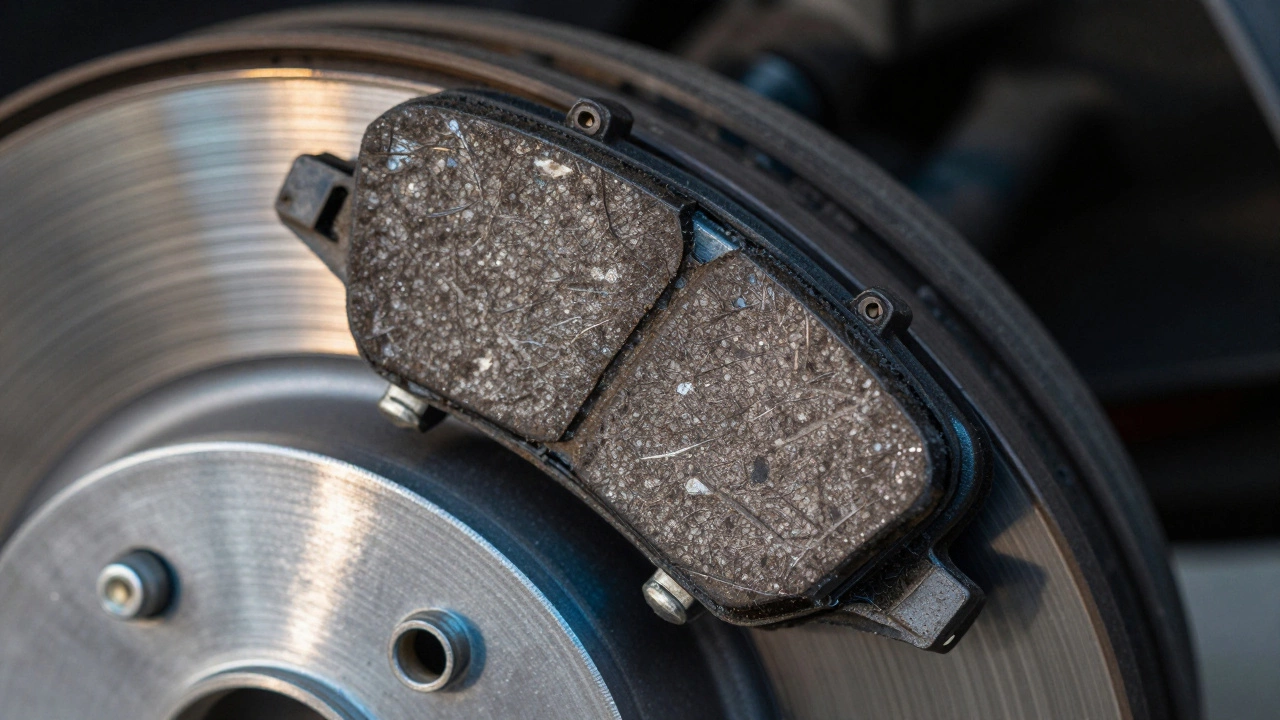
There is a specific sound that sends a chill down the spine of any car owner. It is a high-pitched squeal or a gritty grinding noise that happens when you press the pedal. Most people know this means something is wrong with the brake pads is the friction component that presses against the rotor to slow the vehicle. Also known as friction pads, they are designed to wear down over time to save the more expensive parts of the system. Ignoring this warning is like ignoring a smoke alarm. It might not mean the house is on fire yet, but it definitely means there is heat and danger building up. If you continue to drive with worn-out pads, you are not just risking a repair bill; you are risking your ability to stop.
How Brakes Actually Work
To understand the damage, you need to understand the mechanics. When you push the brake pedal, hydraulic pressure sends Brake Fluid is the hydraulic liquid that transfers force from the pedal to the calipers. It is hydraulic brake fluid, typically DOT 3 or DOT 4, and must remain incompressible to work correctly. to the calipers. The calipers squeeze the pads against the spinning rotors. This friction converts kinetic energy into heat. This heat is normal. However, when the friction material wears away completely, the metal backing plate of the pad touches the metal rotor. This is metal-on-metal contact. It creates significantly more heat than designed and damages the surface of the rotor instantly.
The Domino Effect of Damage
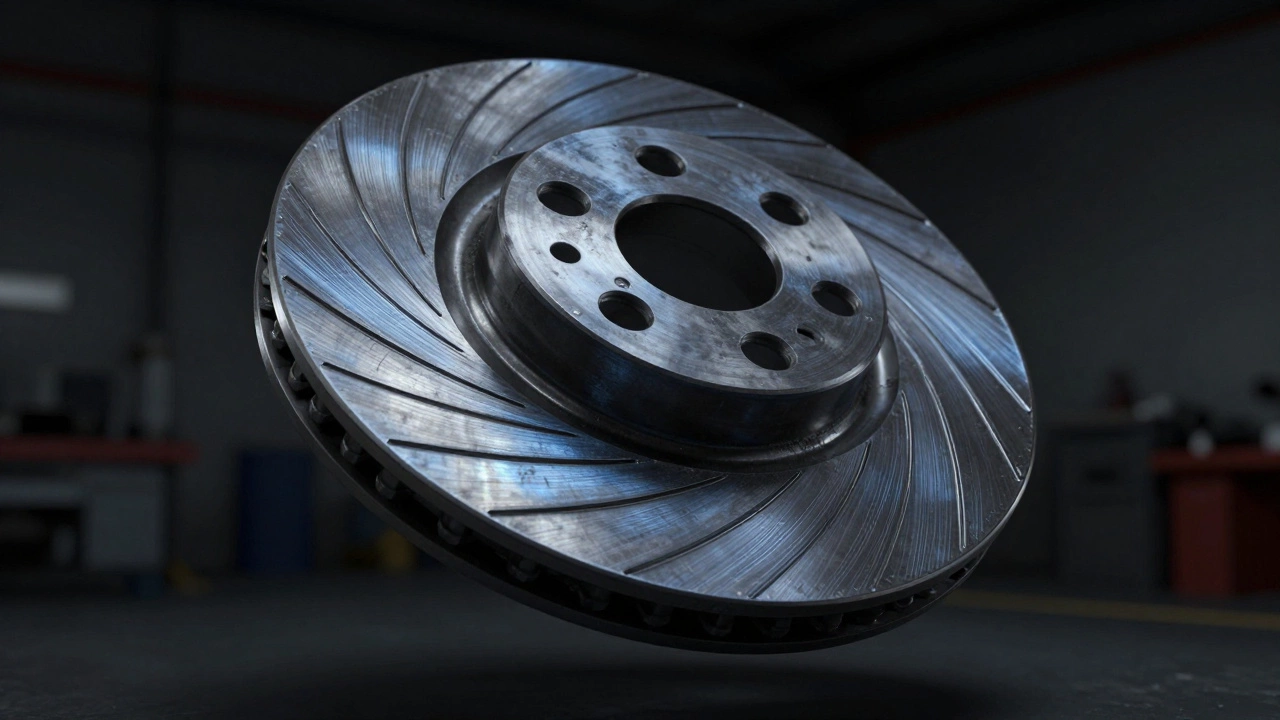
Once the friction material is gone, the damage spreads quickly. The first victim is always the rotor. Brake Rotors is the metal discs that spin with the wheel and get clamped by the pads. Also known as brake discs, they are engineered to handle heat but not direct metal abrasion from the backing plate. The hard metal of the pad backing plate scores deep grooves into the softer metal of the rotor. These grooves cannot be easily machined away. Once they are too deep, the rotor must be replaced. A new rotor costs significantly more than a set of pads. In many modern vehicles, the rotors are also coated with a protective layer that gets stripped off during metal-on-metal contact, leading to rust and further degradation.
Next, the heat buildup becomes a major issue. Brake systems are designed to dissipate heat through the rotor. When the pads are gone, the friction increases, and the heat spikes. This excessive heat can warp the rotor. A warped rotor vibrates when you brake, making the steering wheel shake. It can also cause the brake fluid to boil. If the fluid boils, it creates air bubbles in the lines. Air compresses, unlike fluid. This leads to a spongy pedal or a pedal that goes all the way to the floor with no stopping power. This is a total brake failure scenario.
Caliper and Hydraulic System Stress
The damage isn't limited to the rotors. The Calipers is the component that houses the brake pads and squeezes them against the rotor. It is brake caliper assembly, containing pistons that move to apply pressure. can also suffer. When pads wear down unevenly or get stuck due to debris from the worn pads, the caliper piston can seize. A seized caliper means the brake stays locked on the rotor even when you let go of the pedal. This drags the wheel, overheats the tire, and wears out the tire tread prematurely. In severe cases, the caliper bracket can crack under the stress of the uneven pressure. Replacing a caliper involves more labor and parts than just swapping pads and rotors.
Impact on Stopping Distance
The most critical consequence is safety. Worn brake pads reduce the surface area available for friction. Less friction means less grip. Your stopping distance increases. In an emergency situation, those extra meters can be the difference between a near miss and a collision. Studies from automotive safety organizations show that worn pads can increase stopping distance by up to 20% depending on the condition. If you are driving in wet conditions or on a steep hill, this loss of performance is even more dangerous. The anti-lock braking system (ABS) relies on consistent pressure and sensor data. If the pads are unevenly worn, the ABS may trigger incorrectly or fail to engage when needed.
| Component | Condition | Estimated Cost (AUD) | Time Required |
|---|---|---|---|
| Brake Pads Only | Worn but intact | $150 - $300 | 1 Hour |
| Pads + Rotors | Rotors scored | $400 - $800 | 2 Hours |
| Pads + Rotors + Calipers | Seized calipers | $900 - $1,500 | 3-4 Hours |
Warning Signs You Need to Know
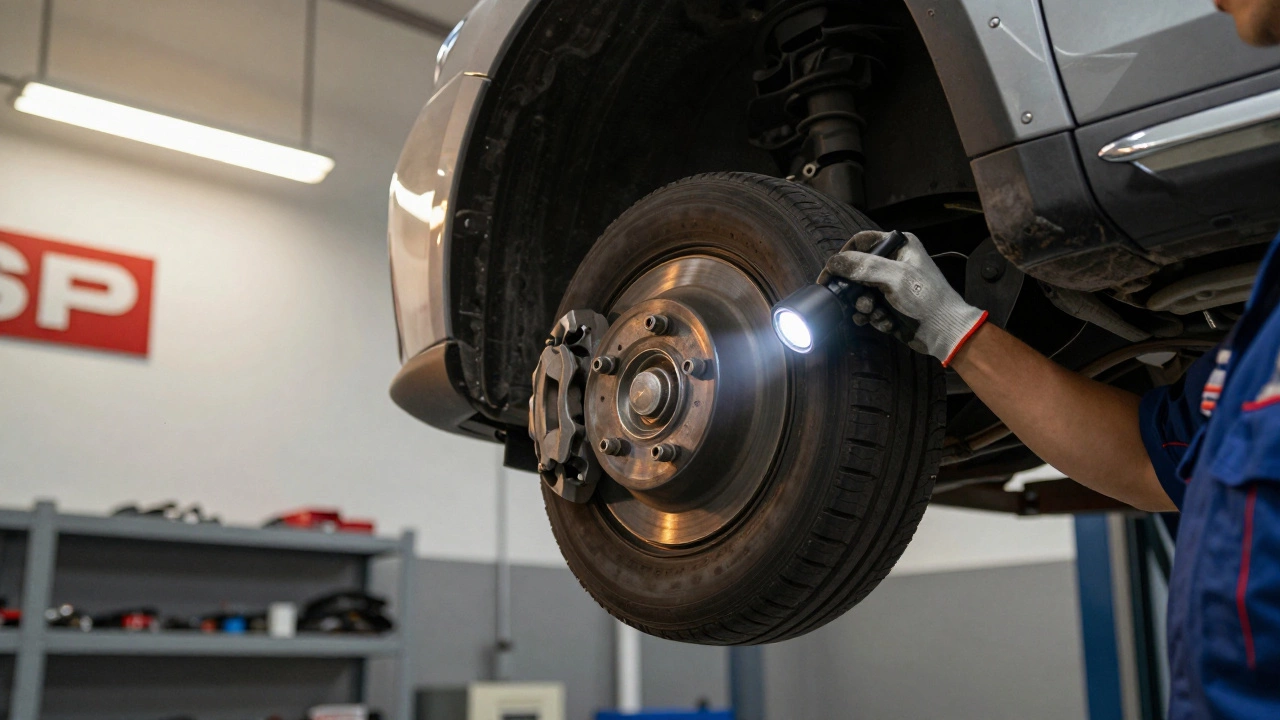
Most drivers wait until the car is loud before acting. You can catch the wear earlier. Listen for a metal-on-metal grinding noise. This is the backing plate hitting the rotor. It is much louder than the normal wear indicator squeal. Feel for vibration in the steering wheel. This suggests the rotors are warped or have hot spots. Check the pedal feel. If it feels soft or sinks lower than usual, there might be fluid issues or excessive pad wear. Look at the wheels. If you see blue spots on the rotors through the spokes, that indicates overheating. Some modern cars have Brake Wear Sensors is an electronic device that detects pad thickness and lights up a dashboard warning. It is pad wear indicator, usually found on the front brakes. If the warning light comes on, stop driving immediately.
Maintenance Schedule and Best Practices
There is no single mileage number that fits every car. Brake life depends on driving habits. City driving with frequent stops wears pads faster than highway cruising. Towing heavy loads also increases wear. Generally, front pads last between 30,000 to 50,000 kilometers. Rear pads often last longer, sometimes up to 80,000 kilometers. You should have a mechanic inspect them during every oil change. They can measure the thickness quickly. If the friction material is less than 3 millimeters thick, it is time to replace them. Do not wait for the metal backing plate to touch the rotor. That is the last resort, and it is too late for prevention.
Choosing the Right Replacement
When you do replace them, the type of pad matters. Ceramic pads are quieter and produce less dust but can be more expensive. Semi-metallic pads are durable and handle heat well but make more noise and dust. Organic pads are cheap and quiet but wear out faster. Choose based on your driving needs. If you live in a hilly area like parts of Adelaide, you need pads that handle heat well. If you drive a luxury sedan, you might prefer ceramic for the quiet ride. Always buy quality parts. Cheap pads might save money upfront but wear out twice as fast and damage rotors faster.
Can You Drive With Worn Pads?
Technically, the car will still move. But you should not drive far. If you hear the squeal, you have a few hundred kilometers left. If you hear the grinding, you have minutes or hours. Driving with grinding brakes risks seizing the wheel while moving. This could cause a loss of control. It is safer to drive slowly to a mechanic than to wait for the brake system to fail completely. If you are on a highway and hear grinding, pull over as soon as it is safe. Do not try to coast down a long hill with failing brakes. The heat will build up until the fluid boils, and you will have no stopping power.
Summary of Risks
Ignoring brake pad replacement leads to a chain reaction. It starts with noise, moves to rotor damage, then caliper failure, and ends with brake fluid boiling. The cost multiplies with every delay. The safety risk grows with every kilometer. Your brakes are the only thing standing between you and a crash. They are not optional. They are the most critical safety system on your vehicle. Treat them with the respect they deserve. Listen to the car. It is trying to tell you when it needs help.
How often should I replace brake pads?
There is no fixed schedule, but front pads typically need replacement every 30,000 to 50,000 kilometers. Rear pads may last up to 80,000 kilometers. Check them during every oil change or if you hear squealing noises.
What happens if brake pads wear down completely?
When pads wear completely, the metal backing plate grinds against the brake rotor. This scores the rotor, generates excessive heat, can warp the rotor, and may cause the brake fluid to boil, leading to total brake failure.
Is it safe to drive with a grinding noise?
No. A grinding noise indicates metal-on-metal contact. You should stop driving immediately or drive very slowly to a mechanic. Continuing to drive can damage the rotors and calipers, increasing repair costs significantly.
Do I need to replace rotors with pads?
Not always. If the rotors are smooth and within thickness specifications, you can keep them. However, if they are scored, warped, or thin, they must be replaced or resurfaced to ensure safe braking performance.
Can worn brake pads cause a car to pull to one side?
Yes. If one pad wears faster than the other or if a caliper sticks on one side, the braking force becomes uneven. This causes the vehicle to pull to the left or right when you apply the brakes.