Brake Pad Inspection: How to Spot Wear Before It's Too Late
When you hear a high-pitched squeal when you brake, that’s not just noise—it’s your brake pad inspection, the process of checking the thickness and condition of brake pads to ensure safe stopping power. Also known as brake wear check, it’s one of the simplest things you can do to avoid expensive repairs and dangerous breakdowns. Most people wait until their brakes start grinding—that’s when the metal backing plate is already scraping against the rotor. By then, you’re looking at a rotor replacement, not just new pads.
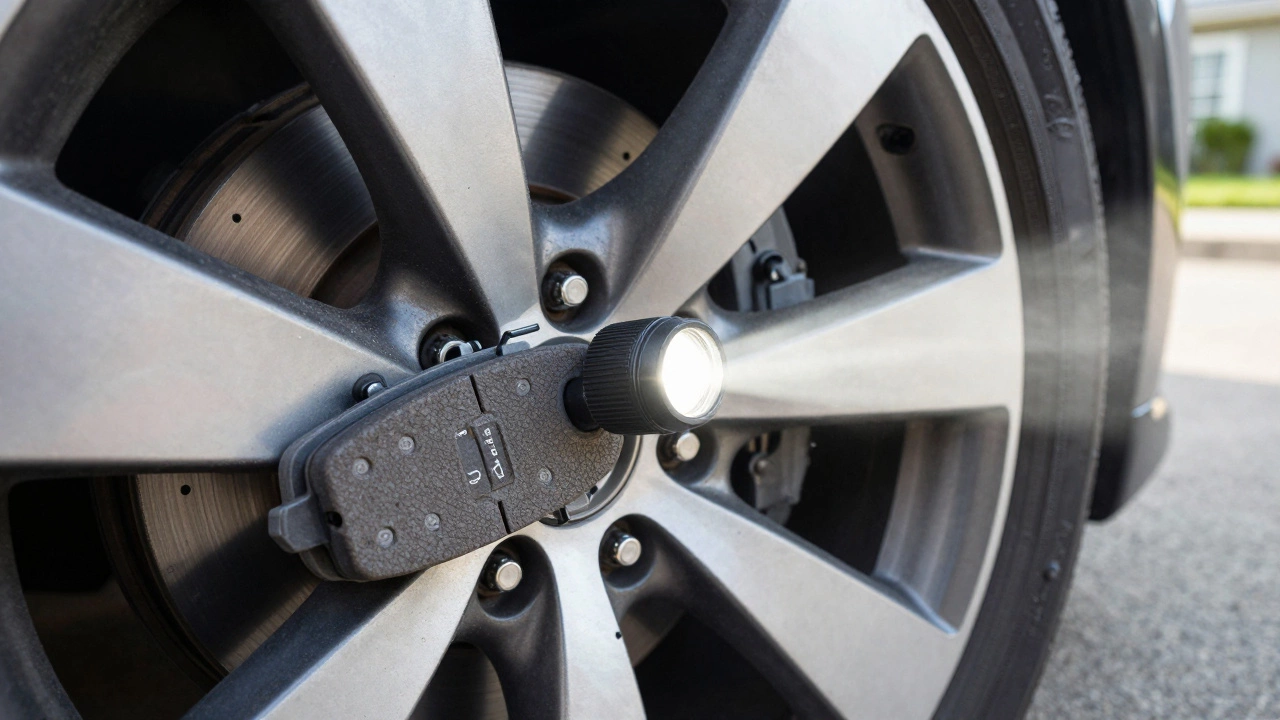
Brake pads wear down over time, and how fast depends on your driving. City driving with constant stops? They’ll go faster. Highway cruising? They’ll last longer. But no matter your habits, brake pads, friction components that press against the rotors to slow your vehicle need regular checks. You don’t need a shop to do it. Many cars let you see the pad thickness through the wheel spokes. If it’s thinner than a quarter inch, it’s time to pay attention. And if you feel vibration in the pedal or the car pulls to one side, that’s not just a alignment issue—it could mean uneven pad wear or a stuck caliper.
brake rotors, the spinning discs that brake pads clamp onto to create stopping force are just as important. They’re designed to handle heat, but if pads are worn too long, the rotors get scored, warped, or even cracked. Replacing rotors costs two to three times more than pads. A quick brake pad inspection every 10,000 miles can save you hundreds. Don’t ignore the warning signs: squeaking, longer stopping distances, or a soft pedal. These aren’t "just noises"—they’re your car talking. The posts below give you real, step-by-step ways to check your own brakes, understand what the sounds mean, and know exactly when to act—before your next stop isn’t a safe one.