Brake Pad Warning Signs: How to Tell When Your Brakes Are Failing
Get the inside scoop on how to spot worn brake pads fast. Learn the sounds, sensations, and visual clues that could save your brakes—and your wallet.
View moreWhen your brake pads, the friction components that slow your car by pressing against the rotors wear out, your safety drops fast. You might not feel it right away, but worn brake pads don’t just make noise—they increase stopping distance, overheat rotors, and can lead to total brake failure. Most drivers wait until they hear a loud screech, but by then, the damage is often already done. The real danger isn’t the sound—it’s ignoring the earlier signs.
Brake pads wear down gradually, and the brake noise, the high-pitched squeal or grinding sound when braking is just one clue. Other signs include a soft or spongy pedal, the car pulling to one side, or vibrations you feel through the steering wheel. These aren’t random issues—they’re direct results of worn pads. When the friction material thins below 2mm, the metal backing plate starts scraping the rotor. That’s not just a repair—it’s a potential $500+ rotor replacement. And if you keep driving, you’re risking a complete brake job, or worse, an accident.
The brake vibration, the shaking or pulsing felt when pressing the brake pedal often gets blamed on warped rotors, but it usually starts with uneven pad wear. Maybe you drove with worn pads for months, or your caliper stuck and didn’t release evenly. Either way, the rotors got damaged because the pads weren’t replaced in time. It’s not a coincidence—it’s cause and effect. And if you’ve noticed your car takes longer to stop, especially on highways or in heavy traffic, that’s not "just old brakes." That’s a red flag.
Some people think brake pads last forever if they don’t hear anything. But brake wear depends on your driving. City driving with lots of stops? Your pads could be gone in 25,000 miles. Highway cruising? Maybe 70,000. But if you’re hauling heavy loads, towing, or riding the brakes on hills, they’ll wear faster. There’s no universal timeline—only warning signs you can’t afford to ignore.
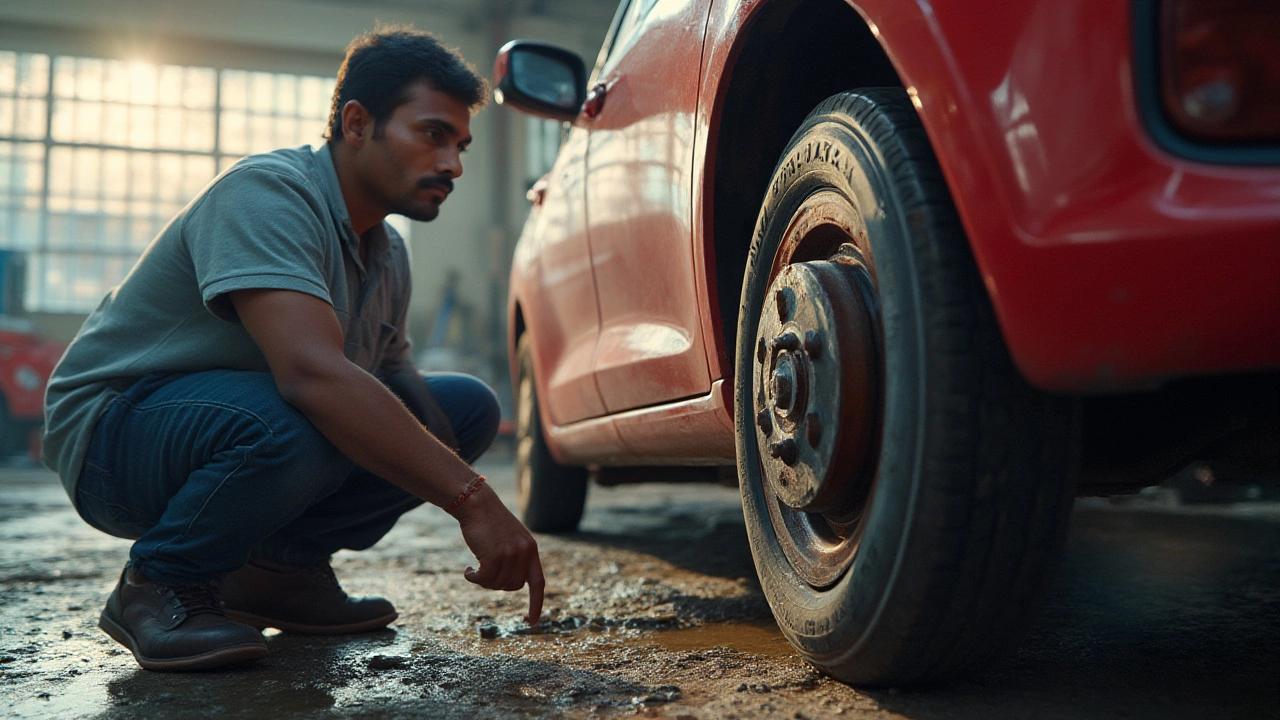
Don’t wait for the worst sound. Check your pads visually every few months. Look through the wheel spokes—if the pad looks thinner than a quarter, it’s time. Listen for any new noises, even if they’re quiet. Feel for changes in how the pedal responds. These aren’t just maintenance tips—they’re life-saving habits. The posts below show you exactly what to look for, how to test your brakes at home, and what happens when you delay. You’ll find real-world examples, common mistakes, and how to avoid being stranded with a broken brake system.
Get the inside scoop on how to spot worn brake pads fast. Learn the sounds, sensations, and visual clues that could save your brakes—and your wallet.
View more