Brake Service: Signs, Costs, and What You Need to Know
When your brake service, the routine inspection and repair of a vehicle’s braking system to ensure safe stopping power. Also known as brake repair, it’s one of the most critical maintenance tasks you can perform on your car. Ignoring it doesn’t just mean longer stops—it means risking your life and others’. A worn brake pad, contaminated brake fluid, or warped rotor won’t scream for help until it’s too late. Most drivers wait for that screech or vibration, but by then, the damage is often already done—and more expensive to fix.
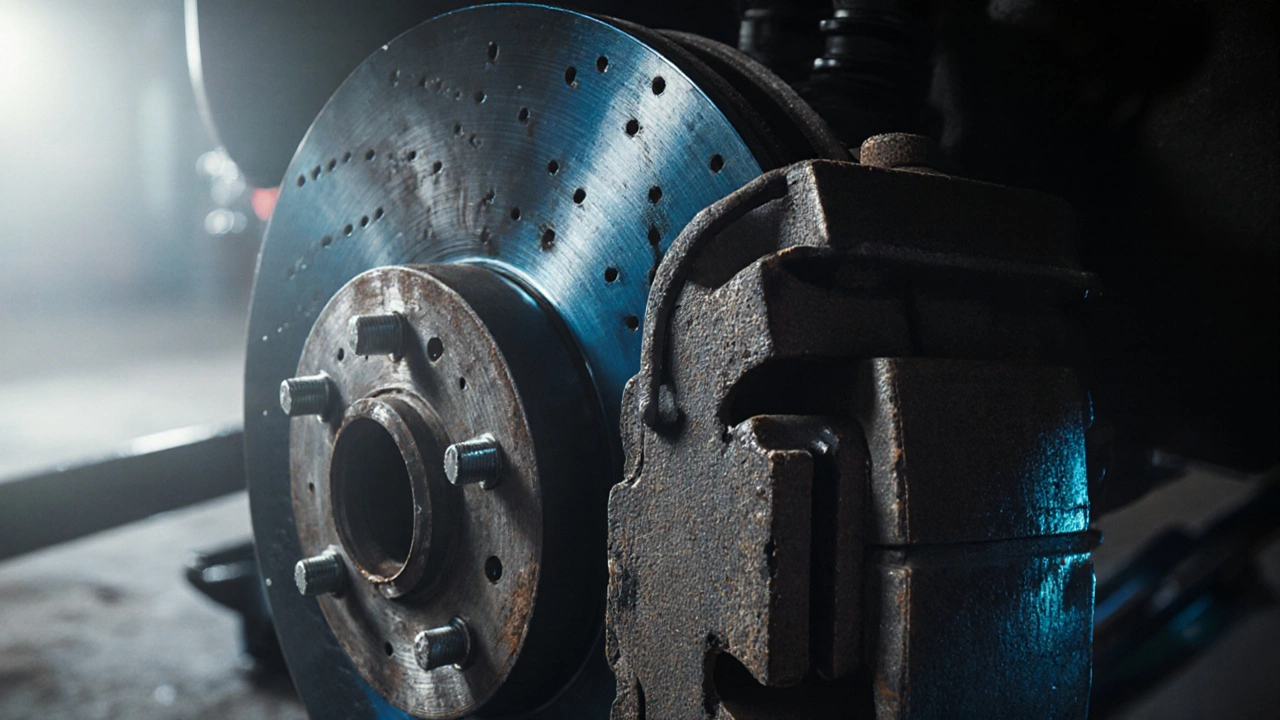
Brake service includes more than just swapping out pads. It involves checking the brake rotors, the metal discs that the brake pads clamp down on to stop the vehicle for warping or grooves, inspecting the brake fluid, the hydraulic fluid that transfers force from the pedal to the brakes for moisture or contamination, and testing calipers and lines for leaks. Brake pads typically last between 30,000 and 70,000 miles, but aggressive driving, heavy loads, or stop-and-go traffic can cut that in half. If you hear a high-pitched squeal, feel a pulsing pedal, or notice your car pulling to one side, you’re not imagining it—those are real warning signs.
Some people think brake service is just a money grab, but here’s the truth: skipping it can lead to rotor damage that costs three times as much as a simple pad replacement. And brake fluid? It absorbs moisture over time, lowering its boiling point. That means under hard braking, the fluid can vaporize, leaving you with a spongy pedal and zero stopping power. That’s not a myth—it’s physics. Most manufacturers recommend flushing brake fluid every two years, but few do it. You don’t need to replace everything every time, but you do need to know what’s worn, what’s still good, and what’s just waiting to fail.
The posts below give you the no-fluff details: how to spot failing brakes before they turn into a nightmare, what brake service actually includes, how much it should cost, and why DIY checks can save you hundreds. Whether you’re hearing strange noises, noticing longer stopping distances, or just want to stay safe on wet roads, you’ll find clear, real-world advice here—no jargon, no upsells, just what you need to know to keep your brakes working when it matters most.