Fuel Pump Repair: Signs, Costs, and What You Need to Know
When your car won’t start or sputters on the highway, the culprit isn’t always the battery or spark plugs—it could be the fuel pump, a critical component that delivers gasoline from the tank to the engine under pressure. Also known as a fuel delivery pump, it’s one of those parts you never think about until it fails—and then you’re stranded. Unlike a filter or wiper blade, you can’t just pop it out and swap it in five minutes. A bad fuel pump doesn’t always scream for attention. Sometimes it just whispers: a slow start on a cold morning, a hesitation when you press the gas, or a sudden loss of power uphill.
The fuel pump failure, a common cause of engine stalling and hard starts often shows up after 100,000 miles, but aggressive driving, dirty fuel, or running the tank low too often can kill it sooner. Mechanics see it all the time: someone replaces the fuel filter, checks the spark plugs, even swaps the battery—only to find out the real issue was the pump quietly giving out. And if you ignore it, you risk damaging the fuel injectors or even the engine itself. A failing pump doesn’t just stop working—it can send debris into your fuel system, turning a simple repair into a costly one.
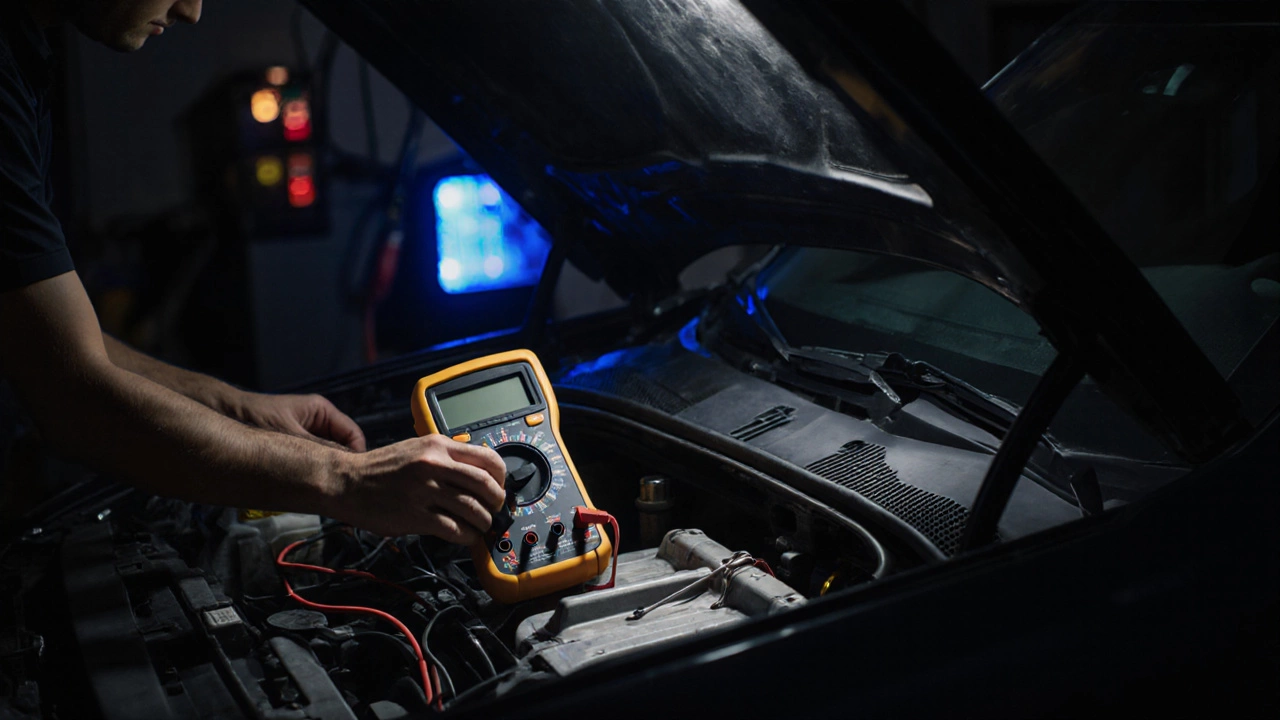
How long does a fuel pump replacement, the standard fix for a failed fuel delivery system take? If you’re doing it yourself, plan for 3 to 5 hours. Most shops charge 2 to 4 hours of labor, plus parts. The cost? Between $400 and $800 depending on your car. But here’s the thing: you don’t always need a full replacement. Sometimes it’s just the fuel pump relay, a clogged filter, or a bad electrical connection. That’s why testing matters. Listen for a quiet hum when you turn the key—that’s the pump priming. No sound? That’s a red flag.
What you’ll find below are real, tested guides on spotting fuel pump trouble before it leaves you on the side of the road. We cover how to test it yourself, how long repairs take, what tools you actually need, and why some DIY fixes save you hundreds. You’ll also see how other common problems—like low fuel pressure or dirty injectors—mimic fuel pump failure so you don’t waste money on the wrong fix. No fluff. No guesswork. Just what works.