How Long Does a Car Clutch Last? Typical Mileage & Expert Replacement Tips
Find out how many miles a typical clutch lasts, what affects clutch life, and get tips to extend yours. Dive into real stats, warning signs, and expert advice.
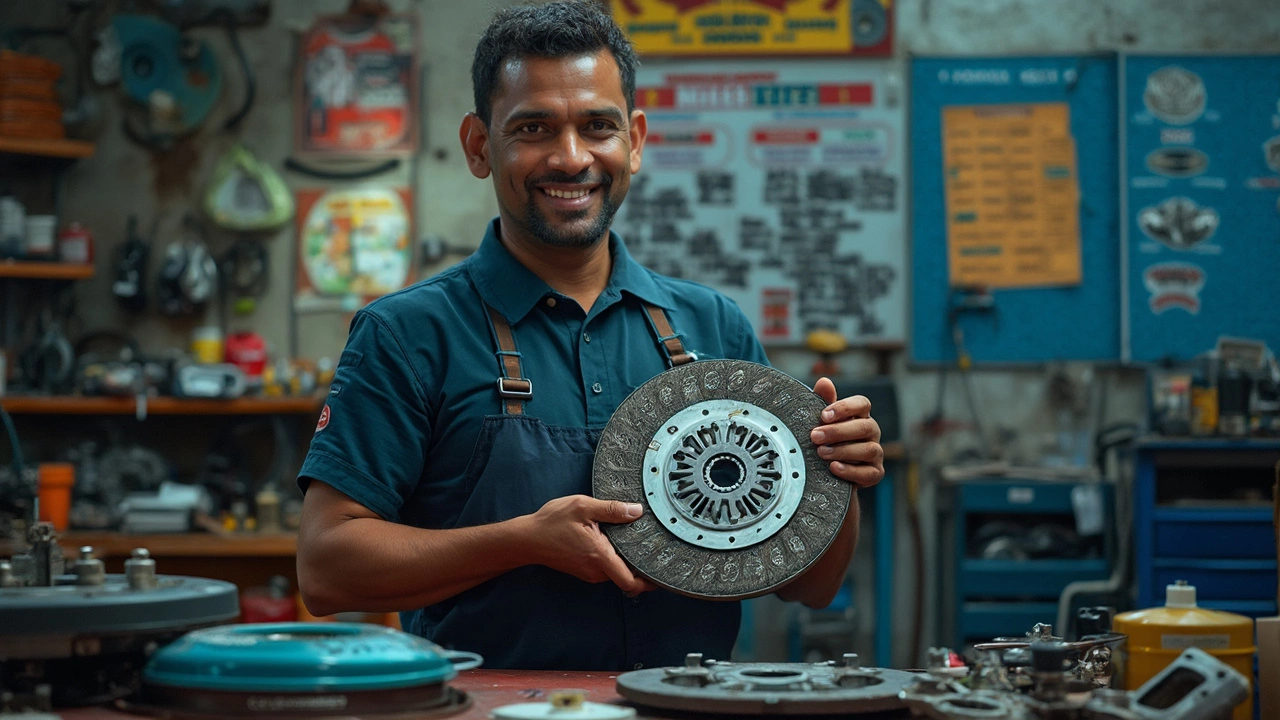
View moreWhen you drive a manual transmission, your clutch, the component that connects and disconnects engine power to the transmission. Also known as a friction disc assembly, it’s one of the few parts in your car that wears out based on how you drive—not just how many miles you log. Most clutches last between 50,000 and 100,000 miles, but that’s just a starting point. Some burn out at 20,000 miles. Others last over 150,000. The difference isn’t luck—it’s habits.
Your clutch, the component that connects and disconnects engine power to the transmission. Also known as a friction disc assembly, it’s one of the few parts in your car that wears out based on how you drive—not just how many miles you log. Your driving style, how you use the clutch pedal, shift gears, and idle in traffic is the biggest factor. Riding the clutch—keeping your foot lightly on the pedal while stopped—eats away at the friction material. Quick, aggressive shifts in heavy traffic? That’s like grinding sandpaper on the flywheel. And if you regularly tow heavy loads or drive in hilly areas without downshifting, you’re putting extra stress on the clutch assembly, the system including the pressure plate, disc, and release bearing. These aren’t theoretical risks—they’re daily realities for drivers who don’t know the signs of wear.
Clutch failure doesn’t happen suddenly. It creeps in. You’ll notice the pedal feels higher than usual, or the car doesn’t respond right away when you let it out. Maybe it slips under acceleration, especially going uphill. Or you smell a burning odor after sitting in traffic. These aren’t normal. They’re your car telling you the clutch is thinning out. Ignoring them means risking damage to the flywheel or pressure plate—costing you hundreds more in repairs.
There’s no magic number for clutch life, but there are clear patterns. People who drive calmly, shift smoothly, and avoid resting their foot on the pedal often get 80,000 miles or more. Those who treat the clutch like a brake? They’re lucky to hit 40,000. The key isn’t buying a "heavy-duty" clutch upfront—it’s learning how to use the one you’ve got. The posts below show you exactly what to watch for, how to test your clutch at home, and when it’s time to replace it before you’re stranded.
Find out how many miles a typical clutch lasts, what affects clutch life, and get tips to extend yours. Dive into real stats, warning signs, and expert advice.
View more