Spark Plug Replacement: When, Why, and How to Do It Right
When your car sputters, misfires, or struggles to start, the issue might not be the fuel pump or battery—it could be your spark plugs, small but critical components that ignite the air-fuel mixture in your engine’s cylinders. Also known as ignition plugs, they’re the heartbeat of your engine’s combustion process. Over time, they wear out, get fouled, or gap incorrectly, and that’s when your car pays the price.
Replacing spark plugs isn’t about making your car faster—it’s about restoring what’s already there. Many people think upgrading to fancy plugs boosts horsepower, but the truth is simpler: worn plugs rob power. A healthy ignition system means smoother idling, better fuel economy, and fewer random stalls. If you’ve noticed your engine hesitating when you press the gas, or if your check engine light flashes with a misfire code, it’s not a coincidence. Your ignition system, the network of wires, coils, and plugs that deliver the spark to ignite fuel is struggling. And if you ignore it, you risk damaging your catalytic converter or even your valves.
Not all spark plugs are the same. Your car needs a specific type—some are copper, others iridium or platinum. The heat range matters too. Put the wrong one in, and you could end up with pre-ignition or carbon buildup. That’s why checking your owner’s manual or using a reliable parts lookup is non-negotiable. You don’t need a garage to replace them. Most cars let you swap them in under an hour with basic tools. Just remember: always disconnect the battery first, clean the area around each plug, and torque them to spec. Over-tightening cracks the ceramic; under-tightening causes leaks.
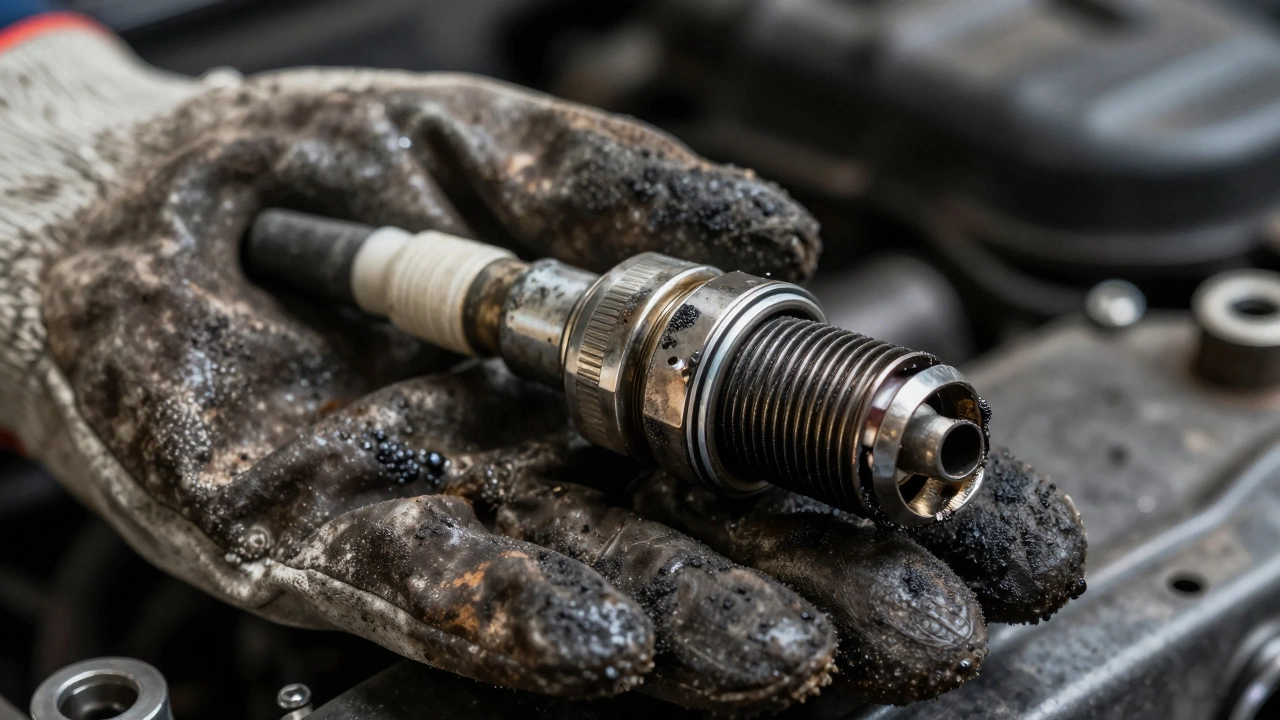
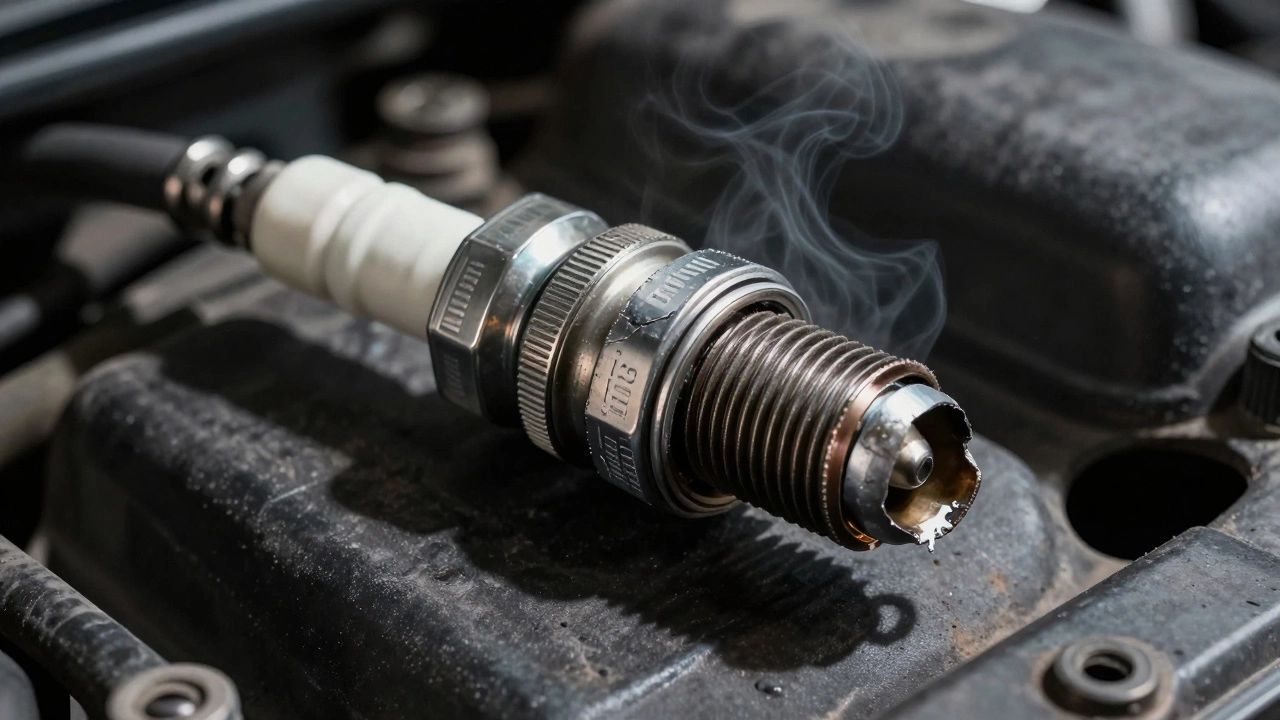
There’s no magic number for when to replace them—some last 30,000 miles, others up to 100,000. But if your car’s performance feels off, or if you’ve gone past the manufacturer’s recommended interval, don’t wait for it to die on the highway. A quick visual check can tell you a lot: black soot? That’s a rich mixture. White or melted electrodes? That’s overheating. Oily deposits? You’ve got a valve seal leak. These aren’t just signs—they’re warnings.
Spark plug replacement ties into bigger maintenance habits. It’s not isolated. If your plugs are worn, your air filter might be clogged. Your fuel system could be dirty. Your battery might be weak. That’s why looking at this job as part of a bigger picture helps you avoid repeat visits to the shop. You’re not just changing a part—you’re protecting your engine’s health.
Below, you’ll find real-world guides that break down exactly what to look for when your spark plugs are failing, why some upgrades don’t deliver what they promise, and how other systems like your air filter or exhaust can influence ignition performance. Whether you’re a DIYer or just trying to understand what your mechanic is telling you, these posts give you the facts—no fluff, no hype.