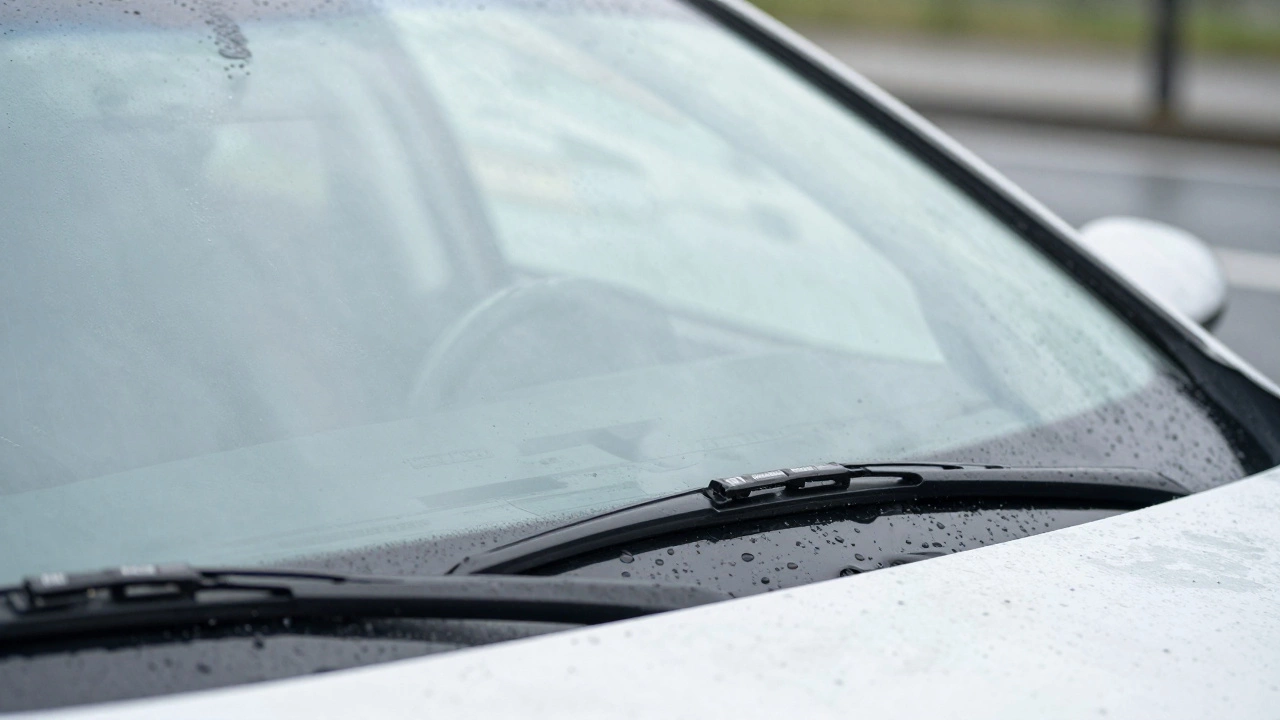
What Are Windscreen Wipers Called in America?
In America, windscreen wipers are called windshield wipers. The parts are identical-only the name changes. Learn why, how to buy them, and what to look for when replacing them.
View moreWhen your windscreen wipers, rubber blades that clear water, dirt, and debris from your windshield. Also known as wiper blades, they're one of the most overlooked safety features in your car. If they’re streaking, chattering, or leaving patches of unclean glass, you’re driving blind—literally. A bad set of wipers doesn’t just annoy you; it puts you at risk in heavy rain, fog, or snow. And yet, most people wait until visibility is terrible before thinking about replacing them.
Wiper blades aren’t one-size-fits-all. They come in different types, beam, conventional, and hybrid designs, each suited for different climates and driving conditions. Beam blades are sleeker and handle snow better. Conventional blades are the old-school kind with a metal frame—cheaper but prone to lifting at high speeds. Hybrid blades combine the best of both. The size, the exact length measured in inches matters too. Your car’s manual or a quick online lookup will tell you the right fit. Using the wrong size means poor contact, uneven wiping, and faster wear.
Material also plays a big role. Rubber degrades over time from sun, heat, and cold. Silicone-coated blades last longer and repel water better, but cost more. If you live where winters are harsh, consider winter blades with a rubber boot that keeps ice from freezing the frame. And don’t forget the wiper arm, the metal part that presses the blade against the glass. A bent or weak arm won’t hold the blade flat, no matter how new the rubber is.
Most people think wipers last a year—but that’s only if you drive in mild weather. In places with lots of sun, dust, or frequent rain, they wear out in six months. Signs you need new ones? Streaks after one swipe, skipping or jumping across the glass, squeaking noises, or smearing instead of clearing. If you see any of these, don’t wait for the next storm. Replace them now. A quick swap takes under ten minutes and costs less than a coffee.
And while you’re at it, check your washer fluid. Dirty or old fluid leaves residue. A clean windshield with bad wipers is still a hazard. Use the right fluid for your climate—no dish soap or vinegar unless you’re in a pinch. And never run the wipers on a dry windshield. That’s how you tear the rubber in seconds.
Below, you’ll find real advice from people who’ve been there: how to pick the right blades for your car, why some wipers fail faster than others, and what to do when your windshield just won’t clear. No fluff. Just what works.
In America, windscreen wipers are called windshield wipers. The parts are identical-only the name changes. Learn why, how to buy them, and what to look for when replacing them.
View more
In 2026, windshield wipers cost between $15 and $85 in Australia. Most drivers should spend $35-$45 for reliable performance. Learn what affects price, when to replace them, and how to avoid overpaying.
View more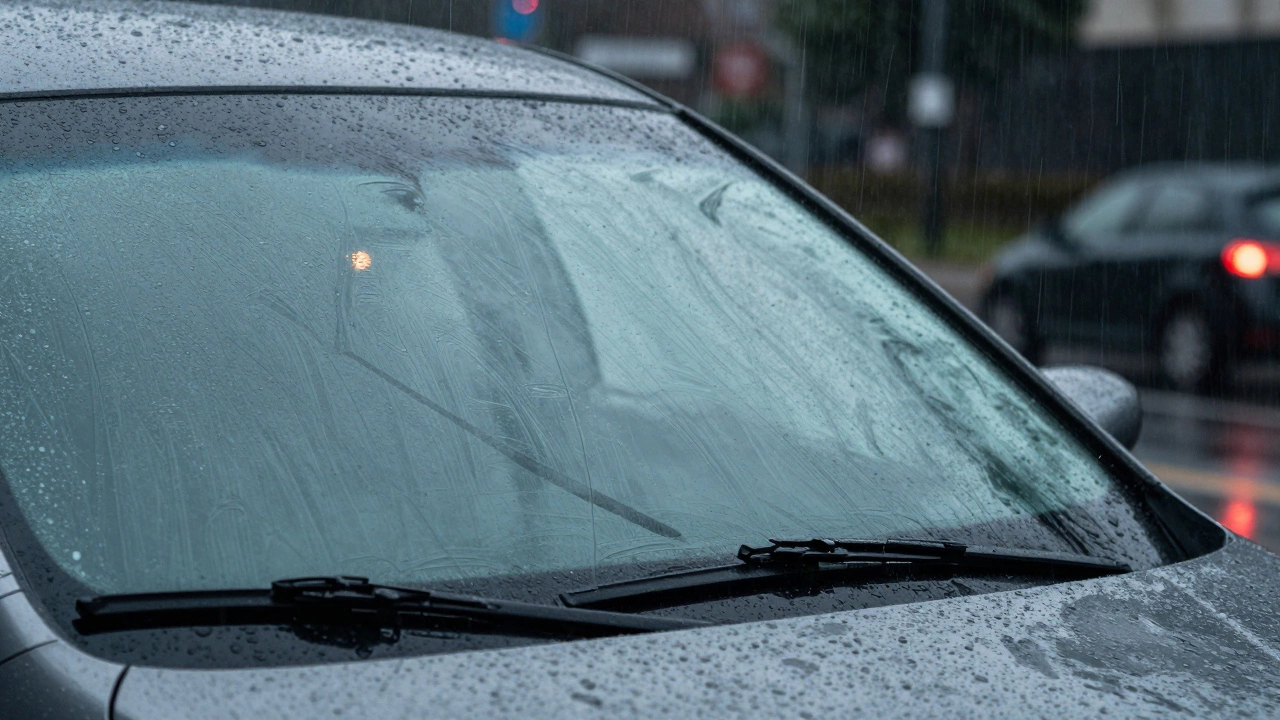
Windscreen wipers fail due to worn blades, dirty glass, weak arms, or faulty motors. Learn the common problems, how to diagnose them, and how to choose the right replacement for better visibility and safety.
View more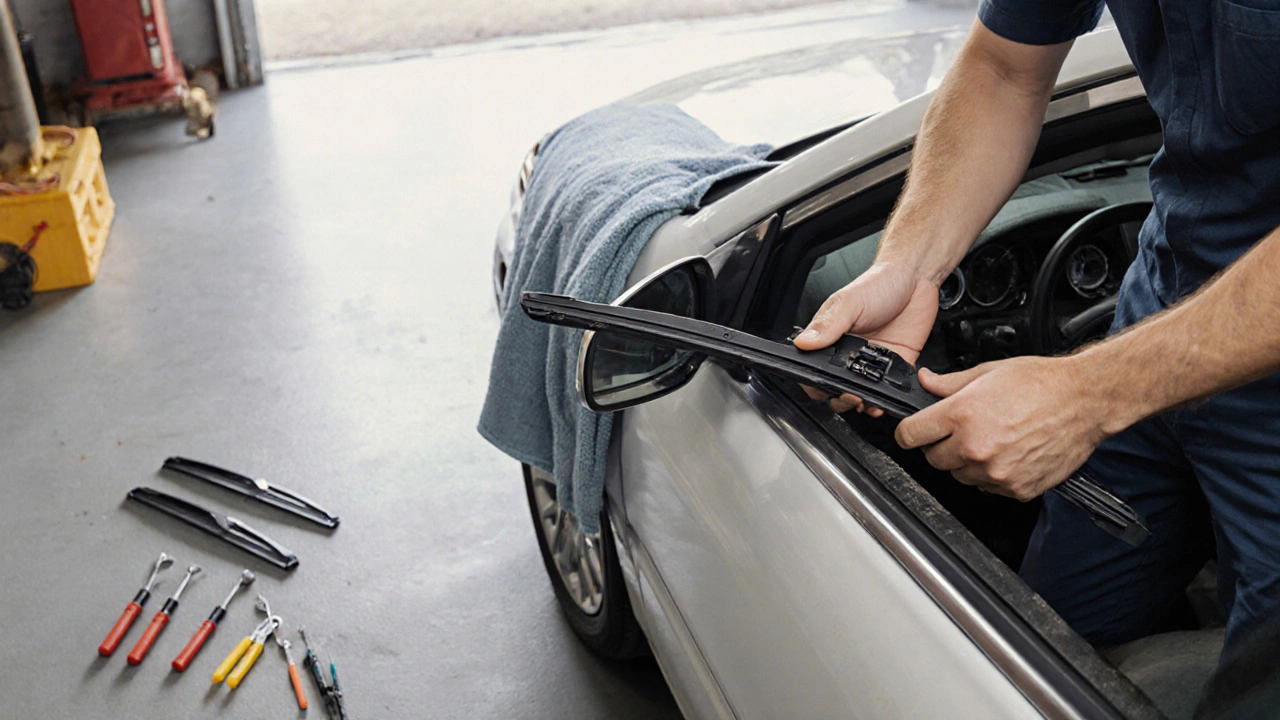
Learn how to replace windscreen wipers yourself in under 10 minutes. Save money, improve safety, and avoid costly mechanic fees with this simple step-by-step guide for 2025.
View more
Choosing the right wiper blades is essential for clear vision while driving, especially in bad weather. This guide provides practical tips and considerations for selecting the perfect fit for your vehicle, covering different types of wiper blades, compatibility, and maintenance. By understanding these factors, you can ensure maximum performance and longevity from your wipers. Explore useful insights and straightforward advice to make an informed purchase.
View more