Engine Sound Diagnostic Tool
Select the sound your car is making to identify the likely cause and recommended action.
You’re driving down the highway, windows up, listening to your favorite podcast. Suddenly, that smooth hum of your engine changes. It’s not the usual purr; it’s a metallic clatter or a deep, rhythmic knock. Your heart skips a beat. Is the engine dying? Before you panic and call a tow truck, consider the most common culprit: low oil levels. Most drivers ignore their dipstick until the dashboard light flashes red, but your ears can warn you long before that happens. Understanding what a car sounds like when it needs oil is a critical skill for any driver who wants to avoid expensive repairs.
The Metallic Knock: The Classic Low-Oil Symptom
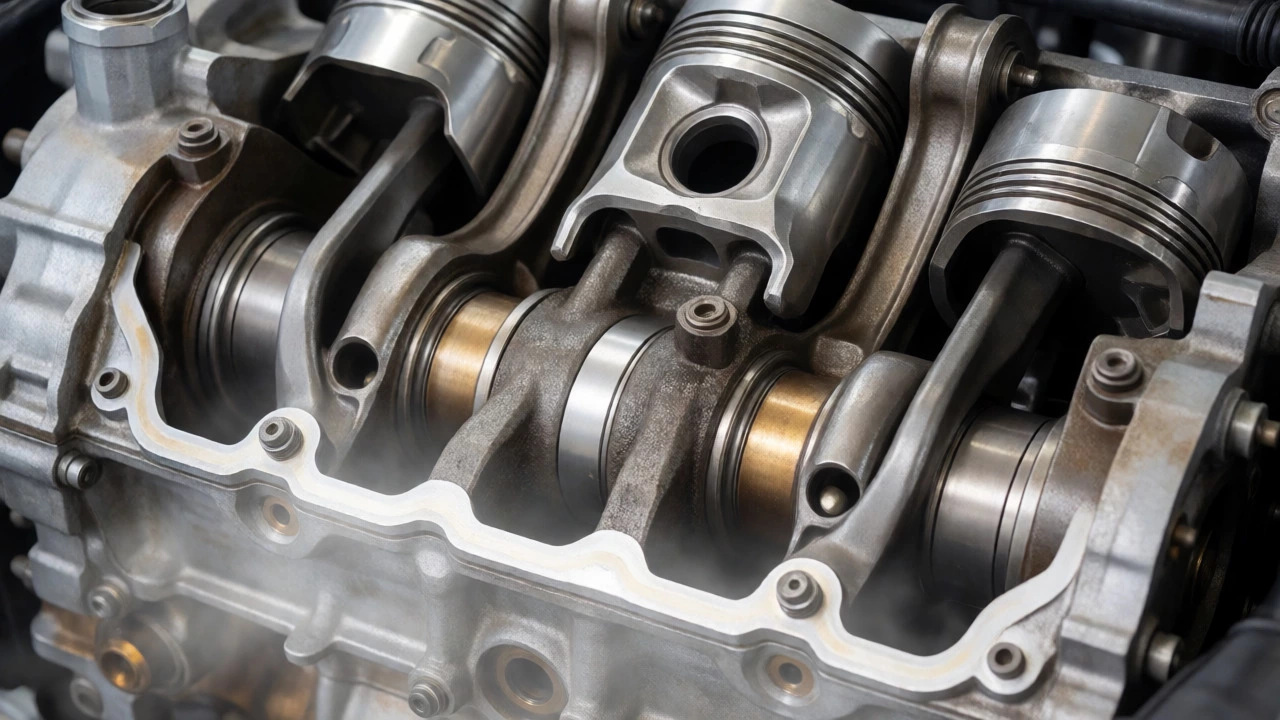
When people ask what a car sounds like that needs oil, they are usually describing rod knock. This is the distinct, hollow tapping or knocking noise that comes from the bottom of the engine bay. It happens because there isn’t enough lubrication between the connecting rods and the crankshaft bearings. Metal on metal contact creates that sharp, percussive sound. You’ll notice it gets louder when you accelerate or go up a hill, as the engine works harder and demands more oil flow. If you hear a consistent "tick-tick-tick" or "knock-knock-knock" that syncs with your RPMs, check your oil immediately. This isn’t just an annoyance; it’s a sign that friction is heating up parts that should be sliding smoothly.
Ticking and Tapping: Hydraulic Lifters in Distress
Not all low-oil noises come from the bottom of the block. Often, you’ll hear a rapid ticking or tapping sound coming from the top of the engine. This is typically associated with hydraulic lifters. These small components rely on oil pressure to maintain zero clearance in the valve train. When oil levels drop, air gets into the system, or pressure drops too low, the lifters collapse slightly. This creates a gap that results in a loud tick every time the valve opens. Unlike rod knock, which is heavy and deep, lifter tick is high-pitched and fast. It might disappear after the engine warms up if the oil thins out and flows better, but don’t let that fool you. The underlying issue-low volume or degraded quality-is still present.
Rumbling and Rough Idling: When Oil Loses Its Viscosity
Sometimes, the problem isn’t just about how much oil is in the sump, but how good that oil is. Old oil loses its viscosity, meaning it becomes too thin to cushion moving parts effectively. When this happens, your engine might sound rougher at idle. You might feel vibrations through the steering wheel that weren’t there before. The engine note shifts from a steady hum to a jagged, uneven rumble. This is especially common in older vehicles with higher mileage where clearances have widened over time. Thicker, fresh oil helps fill these gaps, while degraded oil fails to do so. If your car sounds like it’s struggling to stay awake at a traffic light, it might be time for an oil change rather than just a top-up.
| Noise Type | Sound Description | Likely Cause | Urgency Level |
|---|---|---|---|
| Rod Knock | Deep, hollow knocking or pounding | Low oil level causing bearing friction | Critical - Stop Driving |
| Lifter Tick | Fast, metallic ticking or tapping | Air in lifters due to low oil pressure | High - Check Immediately |
| Whining | High-pitched squeal or whine | Oil pump failing or cavitation | Medium - Schedule Service |
| Rough Idle | Uneven rumbling or shaking | Degraded oil viscosity | Low - Plan Maintenance |
Why Oil Pressure Matters More Than Oil Level
It’s important to distinguish between having enough oil and having enough pressure. You could have a full quart of oil in the pan, but if the oil pump is weak or the filter is clogged, the oil won’t reach the critical upper parts of the engine. This leads to the ticking sounds mentioned earlier. Conversely, you might have low oil level but decent pressure if the remaining oil is circulating well. However, low level eventually leads to low pressure because the pump starts sucking in air along with oil. This causes aeration, creating a foamy mixture that doesn’t lubricate well. The result? A noisy, overheating engine. Always trust the combination of your dipstick reading and the sound of the engine. If the oil looks black and gritty, even if the level is okay, it’s no longer doing its job.
How to Diagnose the Noise Yourself
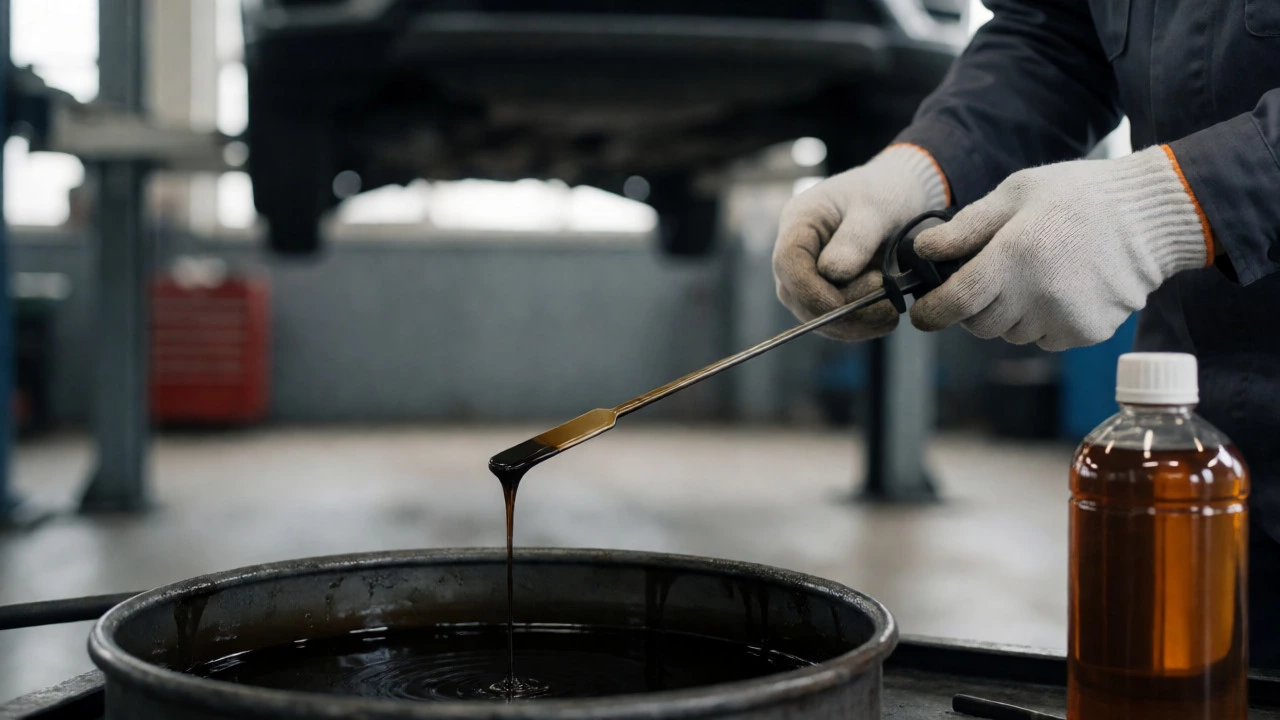
Before you rush to a mechanic, perform a simple three-step check. First, park on level ground and wait ten minutes after turning off the engine to let oil settle. Pull the dipstick, wipe it clean, reinsert it, and pull it again. If the level is below the minimum mark, add the correct grade of oil specified in your owner’s manual. Second, start the engine. Listen closely. Did the ticking stop? Did the knocking fade? If the noise disappears after adding oil, you’ve confirmed the cause was low volume. Third, check the color. Fresh oil is amber or brown. If it’s black and feels gritty between your fingers, it’s saturated with contaminants. Even if the level is fine, dirty oil causes noise and wear. In this case, you need a full service, not just a top-up.
Consequences of Ignoring the Warning Signs
Ignoring these sounds can turn a $50 oil change into a $3,000 engine replacement. When metal parts grind without lubrication, they generate excessive heat. This heat can warp cylinder heads, seize pistons, or crack the engine block. Rod knock, specifically, indicates that bearings are already wearing away. Once those bearings are gone, the connecting rod slams against the crankshaft, potentially punching a hole in the engine block. This is known as a "thrown rod," and it’s often fatal for the engine. By acting on the first hint of unusual noise, you preserve the integrity of internal components. Regular maintenance isn’t just about cleanliness; it’s about acoustic health. A quiet engine is a healthy engine.
Can I drive my car if it makes a ticking noise?
You can drive short distances if the noise is only a mild tick and the oil level is adequate, but you should get it checked soon. If the ticking is loud and persistent, or if accompanied by a warning light, stop driving to prevent damage. High-pitched ticking often indicates hydraulic lifter issues which may resolve with fresh oil, but ignoring it can lead to camshaft wear.
Does low oil always make a noise?
No, not always. Modern engines with variable valve timing and tight tolerances might run quietly even with lower oil levels until the pressure drops critically. However, once noise starts, damage is likely occurring. Some cars have sensors that shut down the engine before severe noise occurs, but relying on this is risky. Physical inspection via dipstick is more reliable than sound alone.
What does rod knock sound like compared to other noises?
Rod knock is a deep, rhythmic knocking that increases with engine speed (RPM). It sounds heavier and more hollow than the sharp ticking of lifters or the screeching of belts. Unlike exhaust leaks, which are constant regardless of RPM, rod knock changes pitch and volume directly with throttle input. It is one of the most serious sounds indicating mechanical failure.
Will changing the oil fix the noise?
If the noise is caused by low oil level or dirty oil, yes, an oil change will likely eliminate it. If the noise is caused by worn bearings (rod knock) or damaged lifters, new oil might reduce the volume temporarily but won't fix the mechanical wear. Persistent noise after a fresh oil change requires professional diagnostic testing.
How often should I check my oil?
Check your oil level every fuel fill-up or at least once a month. This takes less than two minutes and prevents major issues. Don't wait for the dashboard light, as many modern cars only illuminate the light when oil pressure is critically low, which is often too late to prevent minor damage.