Suspension Noise Diagnostic Tool
Likely Diagnosis
SeverityRecommended Action
You’re cruising down the highway, windows up, enjoying the quiet hum of your engine. Then you hit a patch of rough asphalt or a speed bump, and suddenly-clunk. Or maybe it’s a high-pitched squeak that sounds like a rusty gate. If you’ve ever wondered what does a loose strut sound like, you know it’s rarely just one noise. It’s a symphony of bad news for your wallet if ignored.
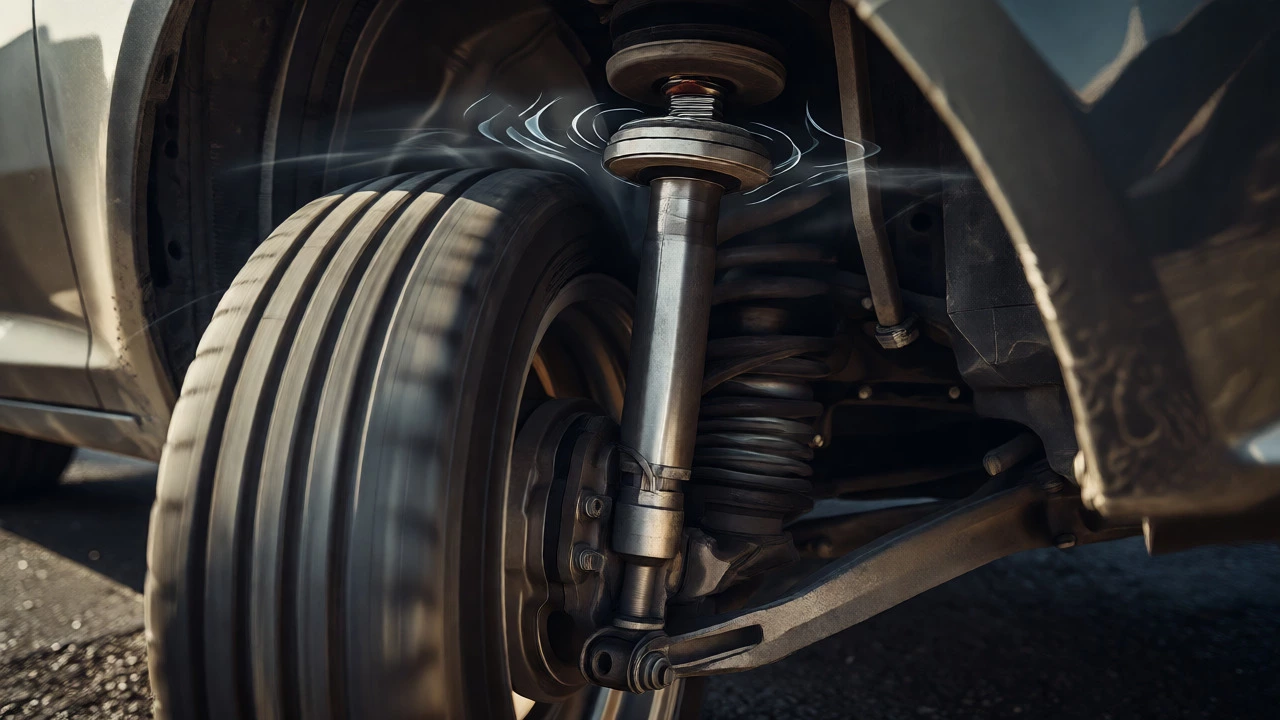
Struts are critical components of your vehicle’s suspension system. They don’t just absorb bumps; they hold your wheel in place and help keep your tires on the road. When they get loose, worn, or broken, they start talking to you. The problem is, struts aren’t the only parts that make noise. Wheel bearings, ball joints, and brake pads can all mimic strut issues. This guide breaks down exactly what those noises mean, how to tell them apart, and when you need to act before your safety is compromised.
The Signature Sounds of Failing Struts
There isn’t a single "sound" of a loose strut because struts fail in different ways. However, three specific noises are the most common indicators. Identifying which one you hear helps pinpoint whether it’s the strut itself, the mounting hardware, or something else entirely.
Clunking or Knocking is the most urgent warning sign. This deep, heavy thud usually happens when you go over a pothole, speed bump, or even a large crack in the pavement. It suggests that the internal piston inside the strut assembly has lost its damping ability, allowing metal-to-metal contact within the shock absorber body. Alternatively, this noise often comes from a loose strut nut at the top of the tower. If the nut securing the strut shaft to the chassis vibrates loose, the entire strut moves independently from the car frame, creating a violent banging sound against the metal housing.
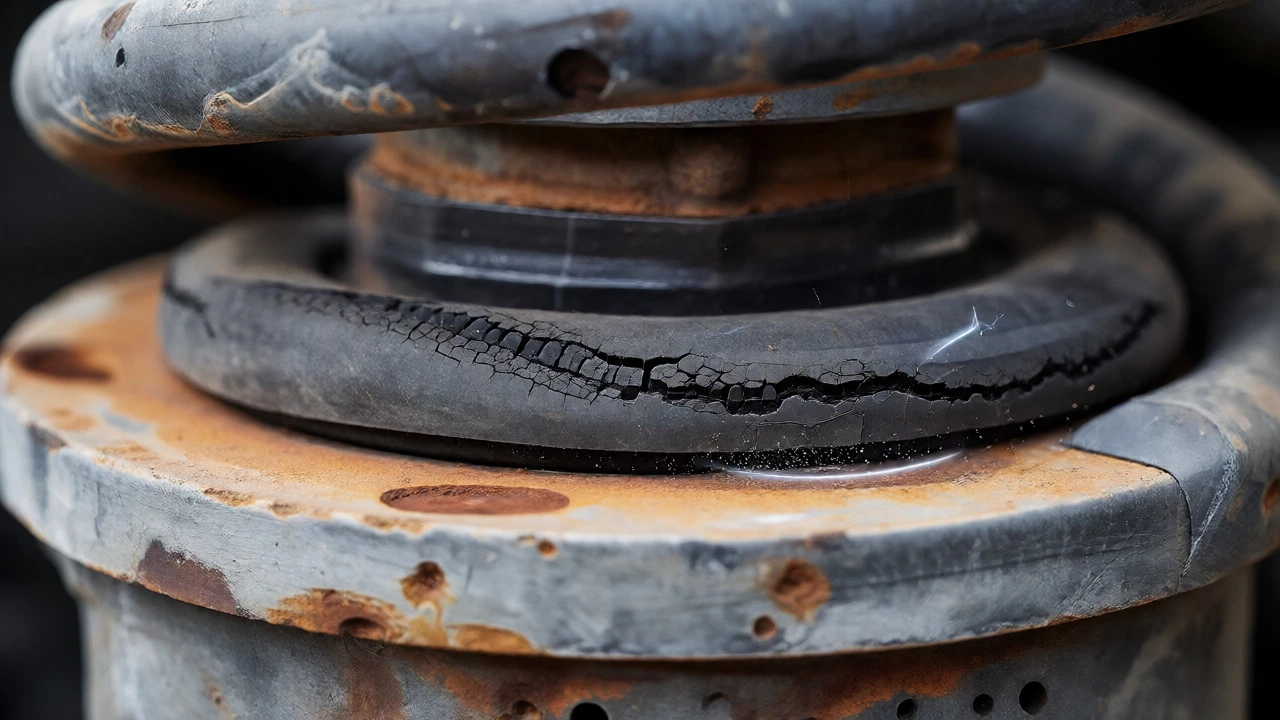
Squeaking or Squealing is another frequent complaint. This high-pitched noise typically occurs during compression (when the wheel moves upward) or rebound (when it extends). While sometimes caused by dry rubber bushings, persistent squealing often indicates that the strut mount-the rubber-and-metal component connecting the strut to the vehicle body-is deteriorating. As the rubber hardens and cracks due to age and weather exposure, friction increases, resulting in that annoying chirp every time you turn the steering wheel or hit a bump.
Rattling or Buzzing tends to happen at higher speeds or on uneven surfaces. This metallic vibration often points to loose heat shields near the exhaust or, more seriously, a broken spring seat. If the coil spring has slipped off its perch or the isolator pad between the spring and the strut tower has disintegrated, the steel spring will vibrate directly against the metal cup, creating a loud, continuous buzz.
Distinguishing Strut Noises from Other Suspension Issues
Here is where things get tricky. A lot of drivers assume any noise from the wheel well is a strut issue. But a bad wheel bearing or a worn ball joint can sound remarkably similar. Misdiagnosing the problem leads to replacing expensive parts unnecessarily.
To figure out if it’s really the strut, try these simple diagnostic tests:
- The Bounce Test: Push down hard on the corner of your car above the suspect wheel and release. A healthy strut should stop the bounce after one or two oscillations. If the car continues to rock back and forth like a boat, the strut’s internal valves are likely blown, meaning it’s no longer controlling the spring’s movement.
- The Steering Test: Drive slowly in a tight circle in an empty parking lot. If you hear a creaking or popping noise while turning, it’s often the strut mount or the CV joint, not necessarily the damper itself. If the noise persists while driving straight but worsens over bumps, focus on the strut assembly.
- The Visual Inspection: Look behind the wheel. Is there oil leaking down the side of the strut cylinder? Wet, oily residue means the seal has failed. Once the fluid leaks out, the strut cannot dampen vibrations, leading to excessive bouncing and noise.
| Noise Type | Likely Culprit | When It Happens | Severity Level |
|---|---|---|---|
| Deep Clunk | Loose Strut Nut / Blown Strut | Over bumps/potholes | High |
| High-Pitched Squeak | Worn Strut Mount / Bushings | Turning or small bumps | Medium |
| Metallic Rattle | Broken Spring Seat / Heat Shield | At highway speeds | Low-Medium |
| Humming/Growling | Wheel Bearing | Constant, changes with turns | High |
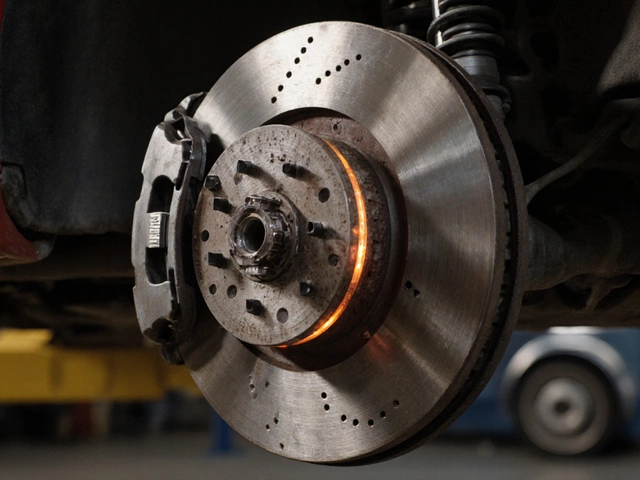
| Grinding | Brake Pads / Rotors | When braking | High |
Why Loose Struts Are Dangerous
You might think, "It’s just a noise, I’ll deal with it later." But here is the reality: struts are structural components. In many modern cars, the strut holds the lower control arm and the wheel hub together. If a strut fails completely, the wheel alignment shifts drastically. Your tire will wear unevenly within weeks, destroying a set of tires that cost hundreds of dollars.
More importantly, handling suffers. Worn struts increase stopping distance. Studies have shown that vehicles with worn shock absorbers can take up to 20% longer to brake from 50 mph compared to those with new ones. On wet roads, this difference can be the margin between stopping safely and sliding into the intersection. Furthermore, a loose strut allows the wheel to wobble excessively, putting stress on tie rods and other steering linkages. One day, a bolt shears off, and you lose control of the vehicle at highway speeds.
How to Fix It: DIY vs. Professional Repair
If you confirm the strut is the issue, you have two paths. Replacing struts yourself is possible but requires specific tools. You need a spring compressor to safely remove the coil spring, as the tension is dangerous if released incorrectly. Many auto parts stores offer free tool rental for spring compressors, which saves money.
However, consider hiring a professional if:
- You are replacing front struts, which involve complex steering geometry.
- Your car has electronic stability control or advanced driver-assist systems that require recalibration after suspension work.
- You lack the space or tools to safely compress springs.
A typical replacement job takes a mechanic about 1-2 hours per axle. The parts themselves vary widely. Economy brand struts might cost $50-$80 each, while premium brands like Bilstein or KYB can range from $100 to $200 per unit. Labor costs add another $150-$300 per axle depending on your location in Australia. Always replace struts in pairs (both left and right) to ensure balanced handling.
Preventing Premature Strut Failure
While struts are wear items, you can extend their life. Avoid hitting potholes and curbs at high speeds. Every impact sends a shockwave through the suspension. Over time, this fatigues the metal and wears out the seals. Regularly check your tire pressure; under-inflated tires force the suspension to work harder to maintain ride height and stability.
Also, pay attention to other noises early. That slight squeak you ignore today could become a clunk tomorrow. Addressing minor bushing wear now prevents catastrophic strut failure later. Keep your suspension clean too; road salt and mud buildup can corrode mounting points, leading to loosening bolts.
Frequently Asked Questions
Can I drive with a loose strut?
Yes, for short distances at low speeds, but it is risky. A loose strut compromises braking efficiency and steering response. If you hear a loud clunk, reduce speed immediately and avoid sharp turns or sudden stops until you can get it repaired.
How much does it cost to fix a loose strut?
Costs vary by vehicle model and location. Generally, expect to pay between $300 and $600 per axle for parts and labor. Luxury vehicles or those with air suspension components can cost significantly more, potentially exceeding $1,000 per axle.
Do I need an alignment after replacing struts?
Yes, almost always. Removing and installing struts alters the suspension geometry. An alignment ensures your wheels point in the correct direction, preventing rapid tire wear and ensuring the car drives straight.
What is the difference between a strut and a shock absorber?
A shock absorber is a standalone damper that controls spring oscillation. A strut is a structural part of the suspension that combines a shock absorber with a spring and serves as a pivot point for the steering. Struts bear weight; shocks do not.
How long do struts last?
Typically, struts last between 50,000 and 100,000 kilometers. However, harsh road conditions, frequent towing, or aggressive driving can shorten this lifespan significantly. Inspect them annually.