Low Oil Risk & Damage Simulator
1. Assess Your Situation
Select the scenario that best matches your current driving experience.
2. Diagnosis & Action Plan
Status: Normal
Your engine is properly lubricated. Continue normal operation.
$0 - $50
Recommended Actions:
- Check oil level monthly.
- No immediate action required.
You’re driving down the highway, music blasting, windows down. Then, a little orange light pops up on your dashboard. Or maybe you hear a weird ticking sound coming from under the hood. Most drivers ignore it for a few days, thinking they’ll deal with it later. Big mistake. Low engine oil is one of the fastest ways to turn a reliable daily driver into a pile of scrap metal.
It’s not just about running out of fluid. Oil does way more than keep things slippery. It cools your engine, cleans out sludge, and seals gaps between moving parts. When levels drop, everything starts fighting against friction and heat. Here’s exactly what happens inside your car when oil gets low, why it matters, and how to fix it before it costs you thousands.
The Immediate Warning Signs
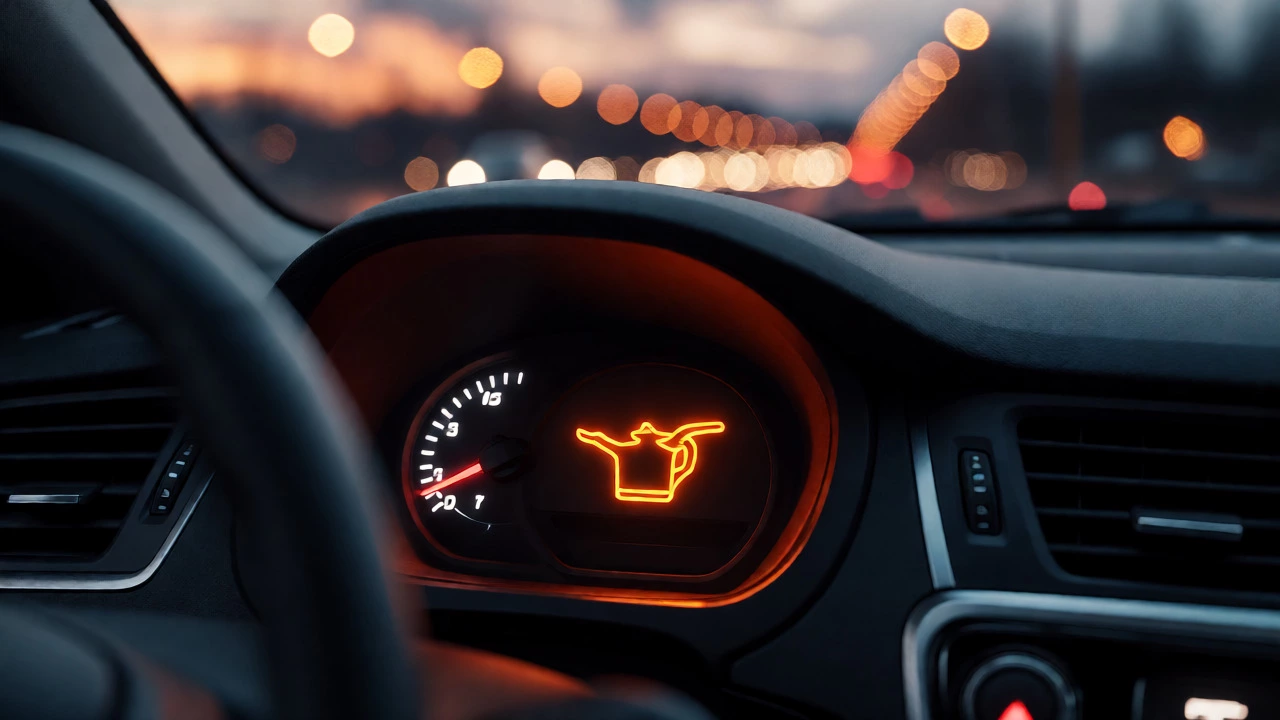
Your car tries to tell you something is wrong long before the engine dies. The first signal is usually visual or auditory. If you see the oil pressure warning light (often shaped like an old-fashioned oil can) illuminate on your dashboard, stop driving immediately. This light doesn’t always mean the level is low; it means the pressure is insufficient to lubricate critical components. But in most cases, low level equals low pressure.
Sound is another dead giveaway. Engines are noisy machines, but healthy ones have a rhythmic hum. When oil runs low, metal-on-metal contact begins. You might hear:
- Ticking or tapping: Often comes from the valvetrain (the top part of the engine) because lifters aren't getting enough oil.
- Knocking or rumbling: A deeper, louder sound indicating that crankshaft bearings are starving for lubrication.
- Grinding: The worst-case scenario where components are physically grinding against each other.
If you notice these sounds, pull over safely. Continuing to drive even for a mile can cause permanent damage.
How Friction Destroys Engine Components
To understand the damage, you need to know what oil actually does. Inside your engine, pistons move up and down at thousands of revolutions per minute. Crankshafts spin. Camshafts rotate. These parts touch each other-or come very close-millions of times per hour. Without oil, this contact creates massive friction.
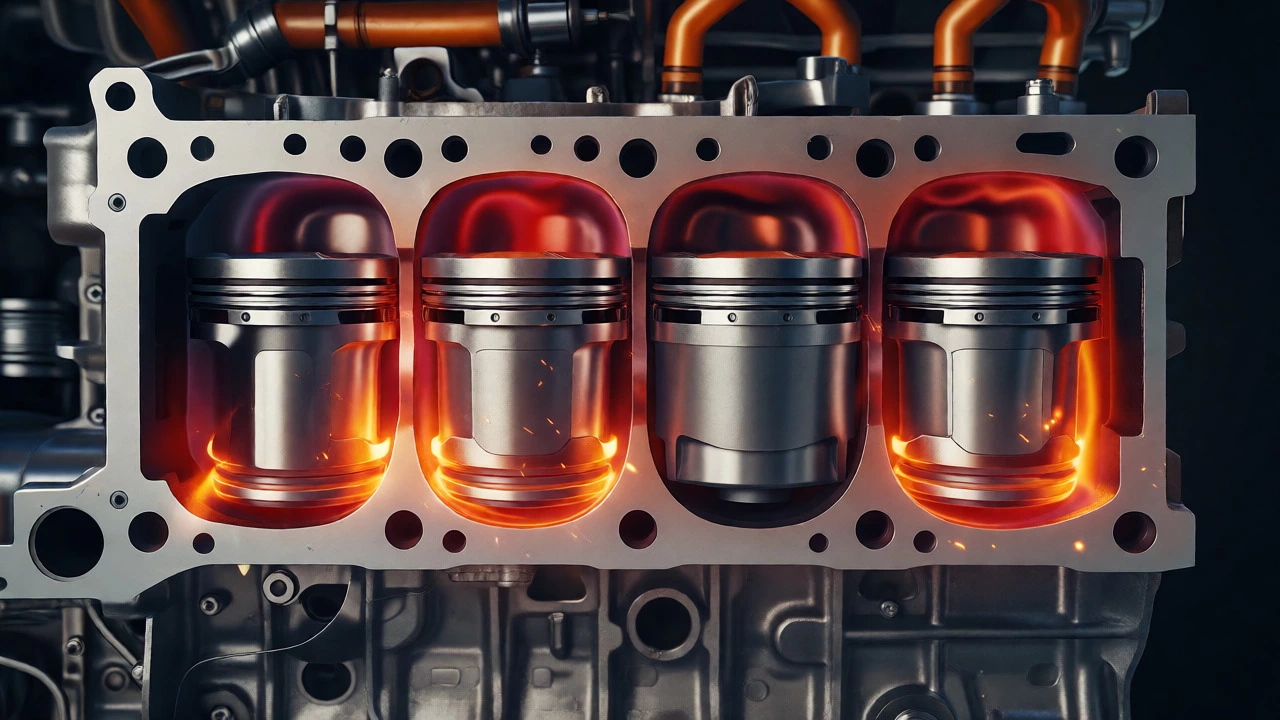
Friction generates heat. Normal operating temperatures for an engine sit around 90-105°C (194-221°F). But without proper lubrication, localized hot spots can spike well above 300°C. Metal expands when heated. If a piston gets too hot, it swells and can seize inside the cylinder wall. Once seized, the engine stops turning. Game over.
Beyond heat, lack of oil leads to wear. Oil contains additives that neutralize acids and suspend dirt particles. When oil levels drop, the remaining oil gets overloaded with contaminants faster. It turns into abrasive paste rather than a protective film. Bearings, which rely on a microscopic layer of oil to float on their shafts, start to score and pit. This wear accelerates exponentially. What starts as minor scoring becomes catastrophic failure within minutes of continued operation.
The Domino Effect: From Low Oil to Major Failure
Ignoring low oil doesn’t just break one part; it triggers a chain reaction. Let’s trace the path of destruction.
- Valvetrain Damage: The top of the engine relies on oil splash or spray. Low levels mean valves and cam lobes run dry. Result: worn cams, bent pushrods, or damaged valve stems.
- Bearing Failure: Main and rod bearings support the crankshaft. They require constant high-pressure oil flow. Starved bearings overheat, melt their soft metal lining, and spin on the crankshaft journals. This causes severe knocking.
- Crankshaft Scoring: Once bearings fail, the steel crankshaft rubs directly against the bearing shells. The shaft develops grooves and loses its smooth finish.
- Seizing: If the crankshaft locks up due to extreme heat and friction, connecting rods can bend or snap. In extreme cases, a snapped rod punches through the engine block itself-a "thrown rod" event.
This progression isn’t theoretical. Mechanics see it weekly. A simple $20 oil top-up ignored for two weeks often results in a $3,000+ engine replacement bill.
Can You Drive With Low Oil?
This is the million-dollar question. Technically, yes, your car will run. Many modern engines have sensors that trigger warnings when oil is 1-2 liters below the full mark. You might not even notice performance changes initially.
However, "can you" doesn’t mean "should you." Driving with low oil reduces the safety margin for cooling and cleaning. On a short trip to the gas station, you’re probably fine. On a long highway cruise, especially if it’s hot outside or you’re towing, you’re gambling with your engine’s life.
Here’s a quick rule of thumb based on severity:
| Oil Status | Symptoms | Action Required | Risk Level |
|---|---|---|---|
| Below Max Line (Dipstick) | No noise, no lights | Top up at next opportunity | Low |
| At Min Line | Possible slight ticking | Top up immediately | Moderate |
| Below Min Line | Loud ticking/knocking, oil light on | Stop driving, add oil | High |
| Empty/Sensor Error | Severe knocking, smoke, power loss | Tow vehicle only | Critical |
Note that digital oil level displays in some cars (like newer BMWs or Audis) can be inaccurate until the engine has cooled and rested for several minutes. Always verify with the physical dipstick if possible.
Why Does Oil Disappear?
Engines don’t consume oil significantly during normal operation. If you’re topping up every month, something is leaking or burning. Common culprits include:
- External Leaks: Check for puddles under your car. Gaskets, seals, and the oil pan drain plug are common leak points.
- Internal Consumption: Worn piston rings allow oil to slip past into the combustion chamber, where it burns off. You’ll often see blue smoke from the exhaust during startup or acceleration.
- PCV Valve Issues: The Positive Crankcase Ventilation system recycles blow-by gases. If this valve sticks open, it can suck excess oil vapor into the intake, leading to consumption.
In older vehicles, some oil consumption is normal. Manufacturers often state that using up to 1 liter per 1,000 km is acceptable. But sudden drops indicate a problem needing diagnosis.
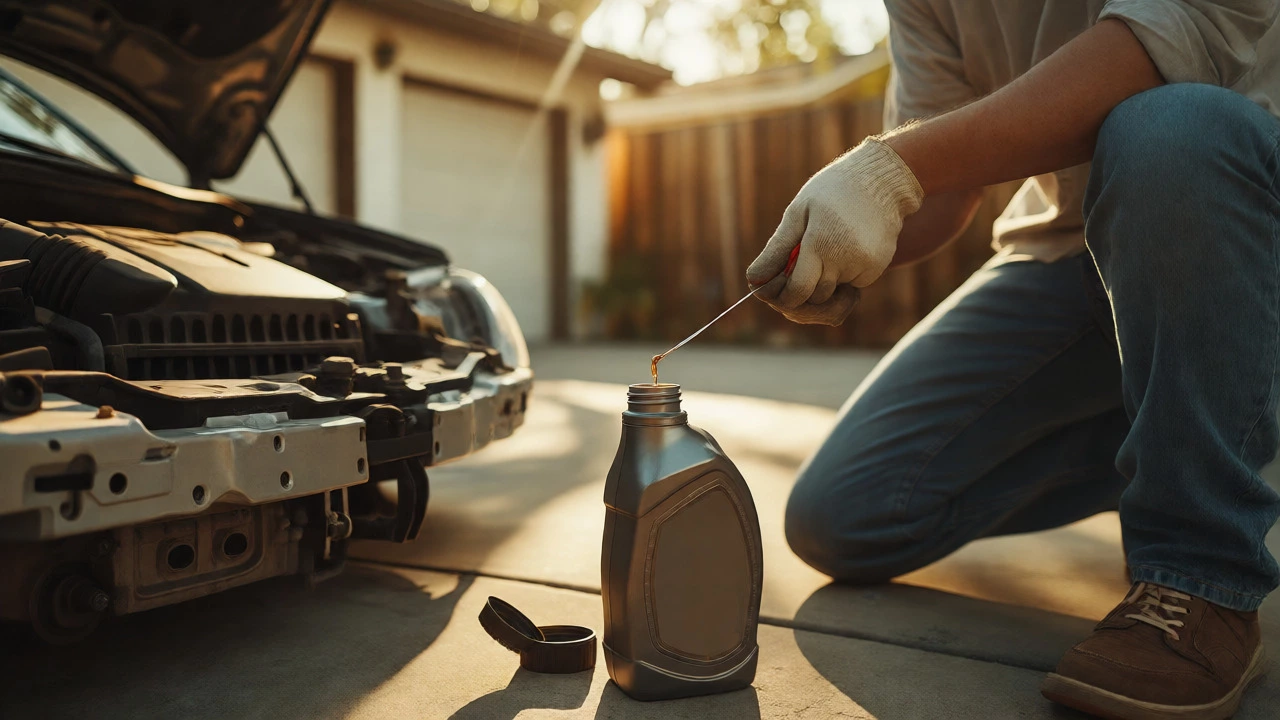
How to Check and Fix Low Oil
Checking your oil takes two minutes. Do it monthly. Here’s the right way:
- Park on Level Ground: Ensure the car isn’t tilted, or the reading will be skewed.
- Wait for Cool Down: Turn off the engine and wait 5-10 minutes. This allows oil to drain back into the sump.
- Pull the Dipstick: Wipe it clean with a rag.
- Reinsert and Pull Again: Push it all the way in, then pull it out again to get an accurate reading.
- Read the Markings: Look for "Min" and "Max" dots or lines. Ideally, the oil should be halfway between them.
If it’s low, add oil slowly. Use the grade specified in your owner’s manual (e.g., 5W-30 or 0W-20). Don’t overfill! Overfilled oil can foam up when hit by the crankshaft, causing pressure issues similar to low oil. Add half a liter at a time, checking frequently.
If you find yourself adding oil frequently, schedule a mechanic visit. They can perform a compression test or leak-down test to pinpoint internal wear.
Preventing Future Headaches
Regular maintenance is cheaper than repairs. Stick to your service schedule, but also listen to your car. Modern engines are tight tolerances and sensitive to lubrication quality.
- Use Quality Oil: Cheap oil breaks down faster. Synthetic oils last longer and handle heat better.
- Change Filters Too: An old filter clogs up, restricting flow. Always replace the filter with every oil change.
- Monitor Temperature: If your engine runs hot, check oil levels. Heat degrades oil rapidly.
Treating your oil like a consumable resource rather than a set-and-forget fluid saves money. In Adelaide, where summer temperatures soar, engines work harder to cool themselves. Keeping oil topped up is critical here.
Will my car shut off automatically if I run out of oil?
No, most cars will not shut off automatically. They will continue to run until the engine seizes mechanically. Some modern cars have emergency limp modes that limit RPMs, but they rarely cut power completely unless there is a separate electrical fault.
Is it bad to mix different types of oil?
Mixing synthetic and conventional oil is generally safe in emergencies, but it may reduce the effectiveness of the premium additives. Try to use the same brand and viscosity grade if possible. For best performance, do a full oil change after mixing.
How much oil does a typical car hold?
Most standard sedans and hatchbacks hold between 4 to 6 liters (approx. 4-6 quarts) of oil. Larger trucks or SUVs may hold 7 to 8 liters. Always check your owner's manual for the exact capacity.
Can I drive 10 miles with the oil light on?
If the light is flashing or steady red, no. Stop immediately. If it is a yellow indicator for "low level" (not pressure), you might make it 10 miles to a shop, but it is risky. Keep RPMs low and avoid hard acceleration.
Does cold weather affect oil levels?
Cold weather thickens oil, which can temporarily lower pressure readings, making the sensor think levels are low. However, the actual volume doesn't change significantly with temperature. Wait for the engine to warm up slightly before trusting pressure readings in freezing conditions.