Cooling System Leak Diagnostic Tool
Follow the steps below to identify where your radiator leak is coming from.
Where do you see the fluid?
Select the area where the puddle or drip originates.What does it look like?
Select the most accurate description.Diagnosis Found
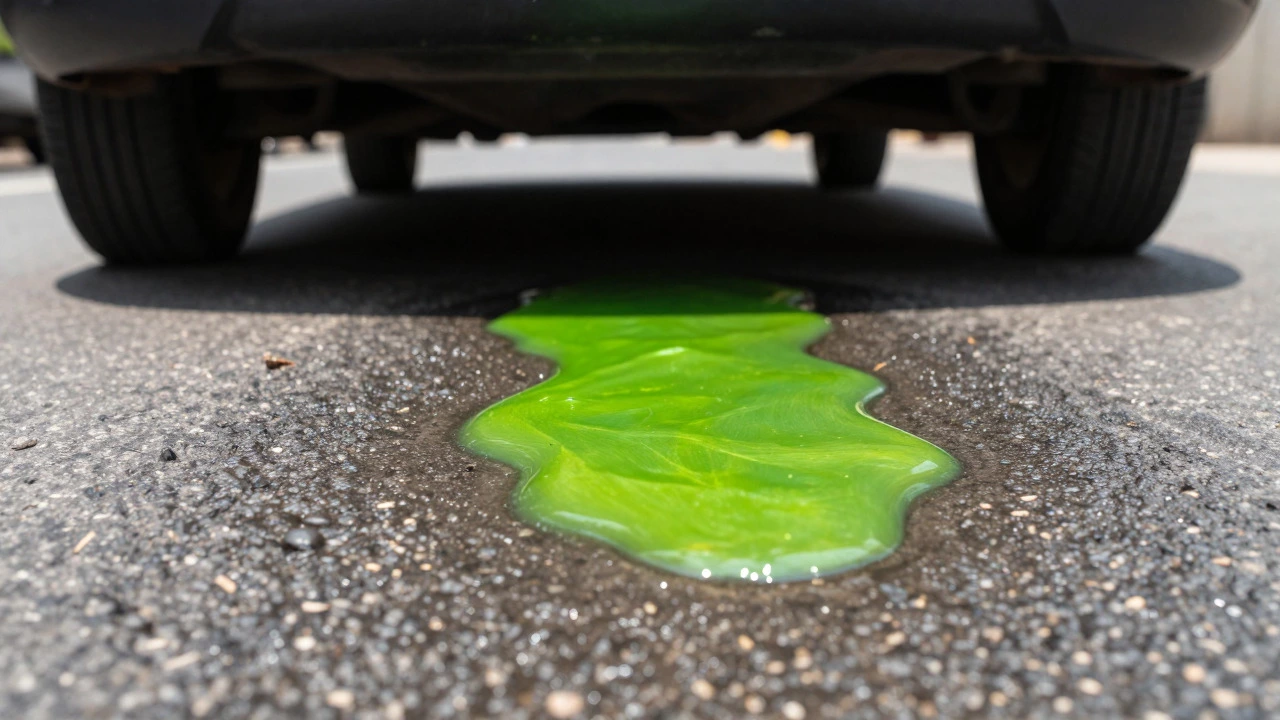
There is nothing quite as panic-inducing as seeing a puddle of bright green, orange, or pink liquid under your car. If you’ve ever wondered where that fluid is coming from, you are likely looking at a cooling system failure. Specifically, the question on most drivers' minds is: where do radiators usually leak from? While the radiator tank itself is often the suspect, it is rarely the only culprit. In fact, in my experience working with vehicles in Adelaide’s harsh summer heat, the majority of "radiator leaks" are actually originating from hoses, seals, or adjacent components that fail long before the metal core does.
Understanding exactly where these leaks originate saves you from unnecessary part replacements and prevents engine overheating disasters. Let’s walk through the specific weak points in your cooling system, why they fail, and how to spot them before your engine melts down.
The Radiator Tank Seams and Plastic End Tanks
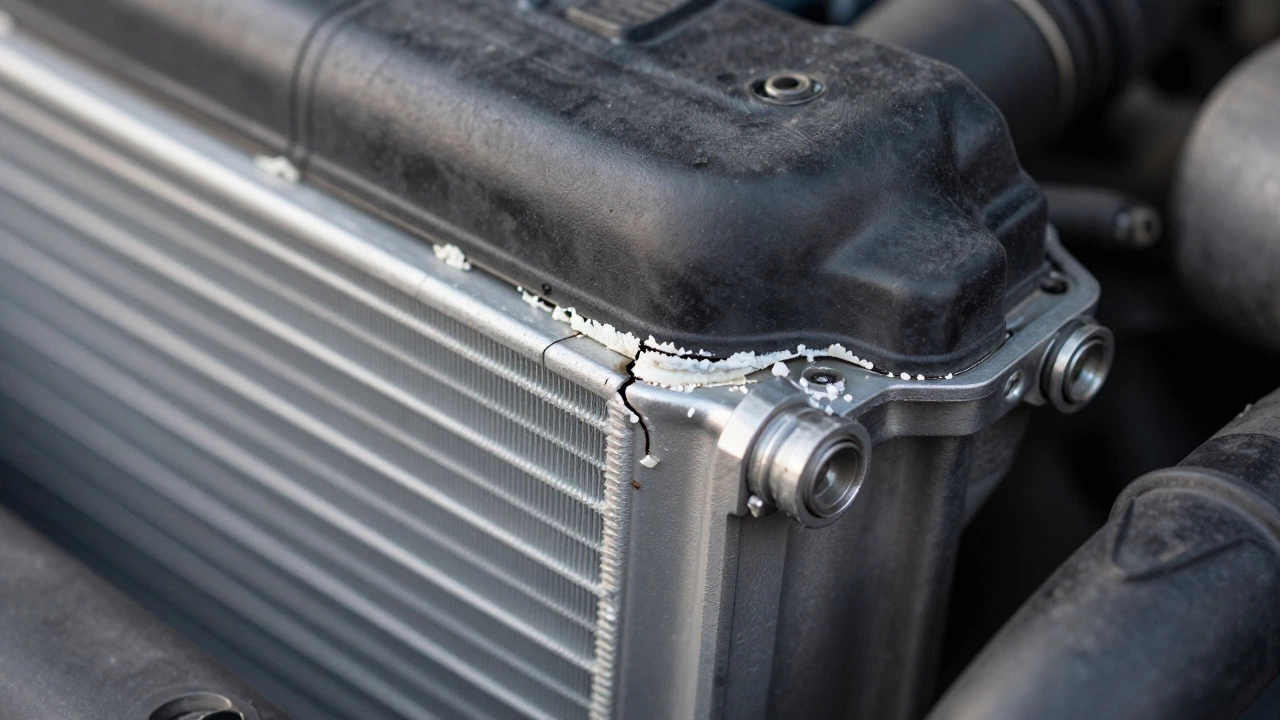
When people say their radiator is leaking, they are often correct about the component, but not always about the specific location. Modern car radiators use aluminum cores for heat exchange efficiency, but they rely on plastic end tanks (the top and bottom reservoirs) to hold the coolant. These plastic tanks are bonded to the aluminum fins using adhesives and mechanical clips.
Radiator End Tanks are plastic reservoirs attached to the radiator core that store and distribute coolant. Over time, thermal cycling-the constant expansion and contraction caused by heating up and cooling down-causes the adhesive bond between the plastic and the metal to weaken. This typically results in hairline cracks along the seams where the plastic meets the aluminum. You will often see white crusty residue (dried coolant) along these edges. Another common failure point is the filler neck on the top tank, which can crack due to pressure buildup if the radiator cap is faulty.
If you notice a steady drip from the very top or bottom center of the radiator assembly, check these seams first. A small amount of superglue might temporarily seal a micro-crack, but once the bond fails, the entire radiator usually needs replacement because the structural integrity is compromised.
Radiator Hoses and Clamps
Before you condemn the radiator itself, look at the rubber hoses connecting it to the engine. There are two main hoses: the upper hose (hot, carrying coolant from the engine to the radiator) and the lower hose (cooler, returning coolant from the radiator to the engine). These are among the most frequent sources of leaks mistaken for radiator failures.
Coolant Hoses are reinforced rubber tubes that transport coolant between the engine and radiator. The upper hose is particularly prone to failure because it operates under high pressure and temperature. Look for bulges near the clamps, which indicate internal layer separation. If the inner liner of the hose breaks down, coolant escapes into the outer layers, causing the hose to swell and eventually burst. The lower hose often suffers from collapse or cracking due to age and exposure to road debris.
The clamps themselves are also suspects. Traditional worm-drive clamps can corrode or lose tension over years of vibration. Spring clamps, often used on modern European cars, can snap or become misaligned. If you see wetness specifically at the connection points where the hose meets the radiator inlet or outlet, tighten the clamp or replace the hose. It is a cheap fix compared to replacing the radiator.
The Thermostat Housing Gasket
One of the most deceptive leak locations is the thermostat housing. This component sits directly on the engine block, usually near the top, and connects to the upper radiator hose. Because it is physically close to the radiator and handles hot coolant, leaks here are frequently misdiagnosed as coming from the radiator itself.
Thermostat Housing is a metal or plastic casing that holds the thermostat and regulates coolant flow based on engine temperature. The gasket sealing this housing to the engine degrades over time. Since thermostats are located in high-heat zones, the gasket material hardens and shrinks, losing its seal. You will often find coolant dripping from the side of the engine block, just below the upper hose connection. Cleaning the area thoroughly and running the engine can help pinpoint if the leak originates from this housing rather than the radiator tank.
The Water Pump Seal
The water pump is driven by the serpentine belt and circulates coolant through the engine and radiator. It has a weep hole-a small opening designed to let you know when the internal seal is failing. If coolant is leaking from the bottom of the water pump, it will drip onto the ground, often appearing to come from the front of the car, similar to a radiator leak.
Water Pump is a centrifugal pump that circulates coolant through the engine cooling system. As the mechanical seal inside wears out, coolant escapes through the weep hole. This leak is usually slow but consistent. If you see a trail of coolant leading back to the water pump pulley, you have found your source. Ignoring this is dangerous because a failed water pump stops coolant circulation entirely, leading to rapid overheating.
Radiator Cap and Overflow Tank
Sometimes the leak isn’t a hole in the metal or rubber, but a failure of pressure regulation. The radiator cap (or the cap on the overflow tank in sealed systems) maintains specific pressure within the cooling system. If the spring inside the cap is weak or the rubber seal is cracked, excess pressure forces coolant out through the weakest point, which is often the overflow tube or the filler neck.
Radiator Cap is a pressure valve that maintains optimal system pressure and allows excess coolant to vent to the overflow tank. Check the cap’s rubber gasket for cracks or stiffness. If the cap doesn’t hold pressure, the boiling point of the coolant drops, causing steam and liquid to escape. Replacing a cap costs significantly less than diagnosing a complex leak elsewhere.
| Leak Source | Typical Location | Visual Signs | Repair Difficulty |
|---|---|---|---|
| Radiator End Tanks | Top/bottom seams | Cracks, white crust | High (Replace unit) |
| Upper/Lower Hoses | Clamp connections | Bulging, wetness | Low (Replace hose) |
| Thermostat Housing | Engine block side | Drip below hose | Medium (Replace gasket) |
| Water Pump | Pulley bottom | Weep hole drip | High (Replace pump) |
| Radiator Cap | Filler neck | Steam, overflow spill | Low (Replace cap) |
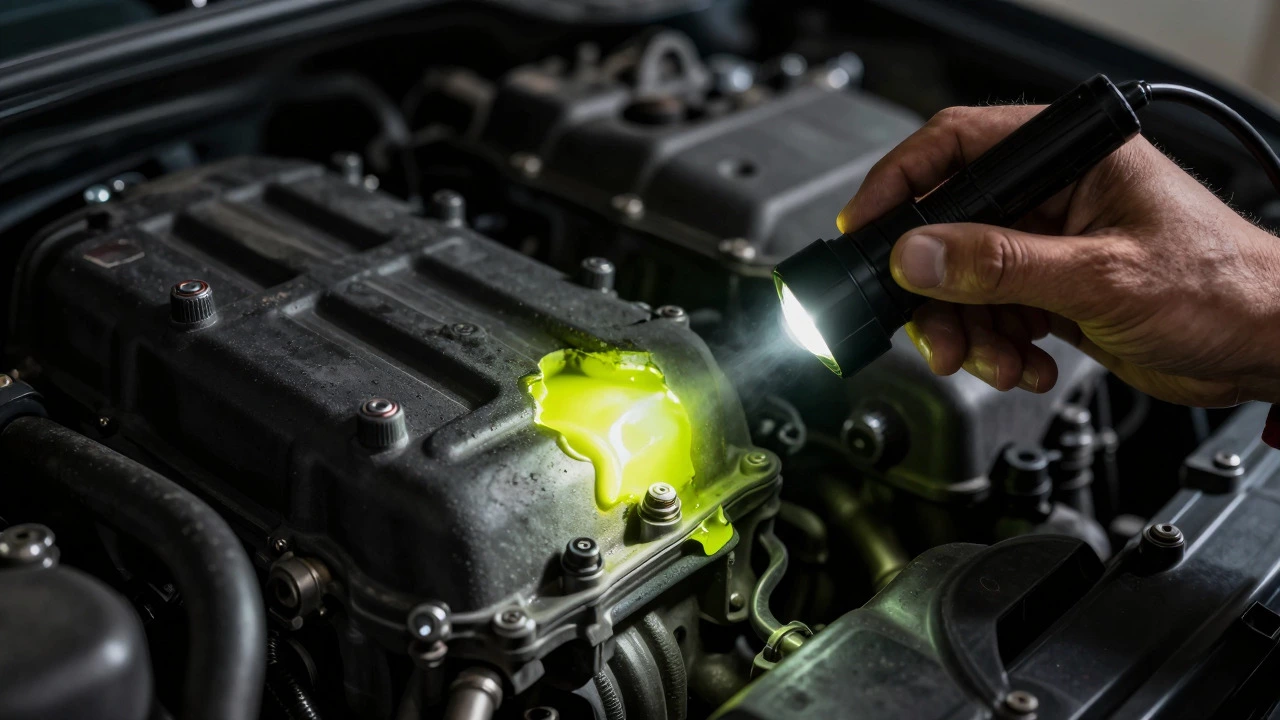
How to Diagnose the Exact Leak Point
Finding the exact source requires a systematic approach. Start by cleaning the engine bay thoroughly with a degreaser and water. Let it dry completely. Then, run the engine until it reaches operating temperature. Use a flashlight to inspect the areas mentioned above. For hard-to-see spots, consider using UV dye. Add the dye to the coolant, run the engine, and then use a blacklight. The leak will glow brightly, making even tiny seeps visible.
Another method is the pressure test. A mechanic attaches a hand pump to the radiator filler neck and pressurizes the system without running the engine. If the pressure gauge drops while you watch, the leak is active. Spray soapy water on suspected areas; bubbles will form where coolant is escaping under pressure. This isolates the problem without guessing.
Preventing Future Leaks
Most radiator and cooling system leaks are preventable with regular maintenance. Flush and replace coolant every 50,000 to 100,000 kilometers, depending on your vehicle manufacturer’s recommendation. Old coolant becomes acidic and corrosive, eating away at hoses, gaskets, and even the aluminum radiator core. Inspect hoses annually for softness, cracks, or bulges. Replace clamps if they show signs of corrosion. Finally, never ignore small leaks. A minor seep today can lead to a catastrophic engine seizure tomorrow, especially in Australia’s extreme temperatures.
What color is radiator coolant?
Coolant colors vary by type and manufacturer. Common colors include bright green (traditional ethylene glycol), orange or yellow (OAT - Organic Acid Technology), and pink or red (HOAT - Hybrid Organic Acid Technology). Always check your owner’s manual to ensure you use the correct type, as mixing incompatible coolants can cause sludge and leaks.
Can I drive with a small radiator leak?
It depends on the severity. A tiny seep might allow you to drive to a mechanic if you monitor the temperature gauge closely and top up coolant regularly. However, any leak risks sudden coolant loss and overheating. Driving with an overheating engine can warp cylinder heads and destroy pistons, leading to repairs costing thousands of dollars.
How much does it cost to fix a radiator leak?
Costs vary widely. Replacing a hose or cap may cost $50-$150 in parts and labor. Replacing a thermostat housing gasket might run $100-$300. Replacing the entire radiator is more expensive, typically ranging from $400 to $800 including labor, depending on the vehicle make and model. Water pump replacement falls in the $300-$600 range.
Why does my radiator leak only when hot?
Heat causes materials to expand. Cracks in plastic tanks or hardened gaskets may be tight enough to seal when cold but open up as the engine heats up and pressure increases. Additionally, coolant expands when heated, increasing system pressure and forcing fluid through weak points that remain sealed at lower pressures.
Is radiator stop-leak safe to use?
Stop-leak products are temporary fixes at best. They contain particles that clog small holes, but they can also clog narrow passages in the heater core or water pump, causing overheating. Use them only as an emergency measure to get home or to a shop, not as a permanent solution.