Most drivers treat spark plugs as small metal components that fire up the engine and are forgotten until they fail. You stick them in, drive for a while, and hope for the best. But with modern engineering pushing boundaries, a common question pops up: can these tiny parts actually survive 200,000 miles? The short answer is yes, but it comes with massive caveats depending on what material your plugs are made of and how you drive.
If you are driving an older car or one with copper plugs, hitting that six-figure mark without a change is practically impossible. However, if you own a newer vehicle equipped with premium materials, you might just get away with it. Let’s break down the reality behind the mileage claims so you don’t end up stranded on the side of the road.
Material Matters More Than Mileage
The lifespan of a spark plug isn't determined by magic; it is determined by physics and chemistry. Specifically, it depends on the electrode material used to create the spark. Over the decades, manufacturers have moved from soft metals to hard, exotic alloys to extend life.
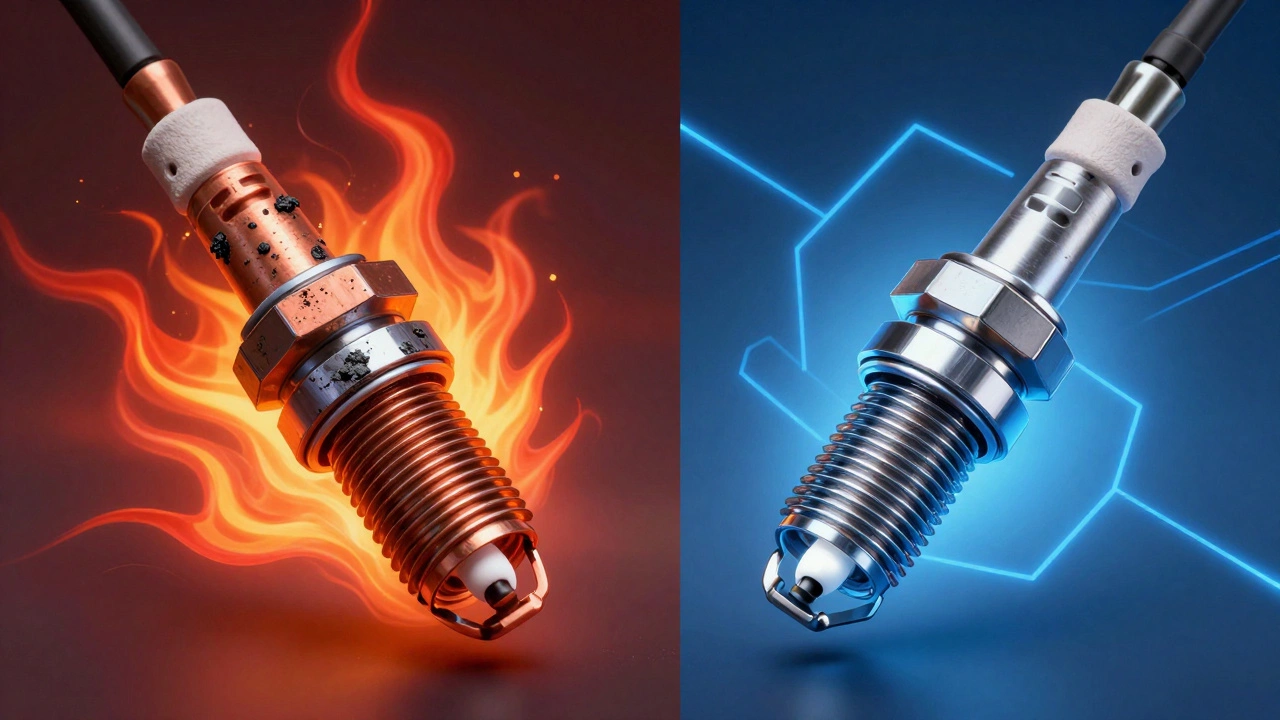
Copper plugs, the old standard, burn out fast. They typically last between 20,000 and 30,000 miles. After that, the electrode erodes, the gap widens, and the spark becomes weak. If you try to push copper plugs to 200,000 miles, your engine will likely suffer from misfires, poor fuel economy, and rough idling long before you hit that number.
Then there are platinum and double-platinum plugs. These offer a middle ground, usually lasting between 50,000 and 100,000 miles. They are more resistant to heat and erosion than copper, but even they struggle to reach the 200,000-mile benchmark reliably. Most mechanics recommend replacing them around the 60,000-to-80,000-mile mark to keep performance optimal.
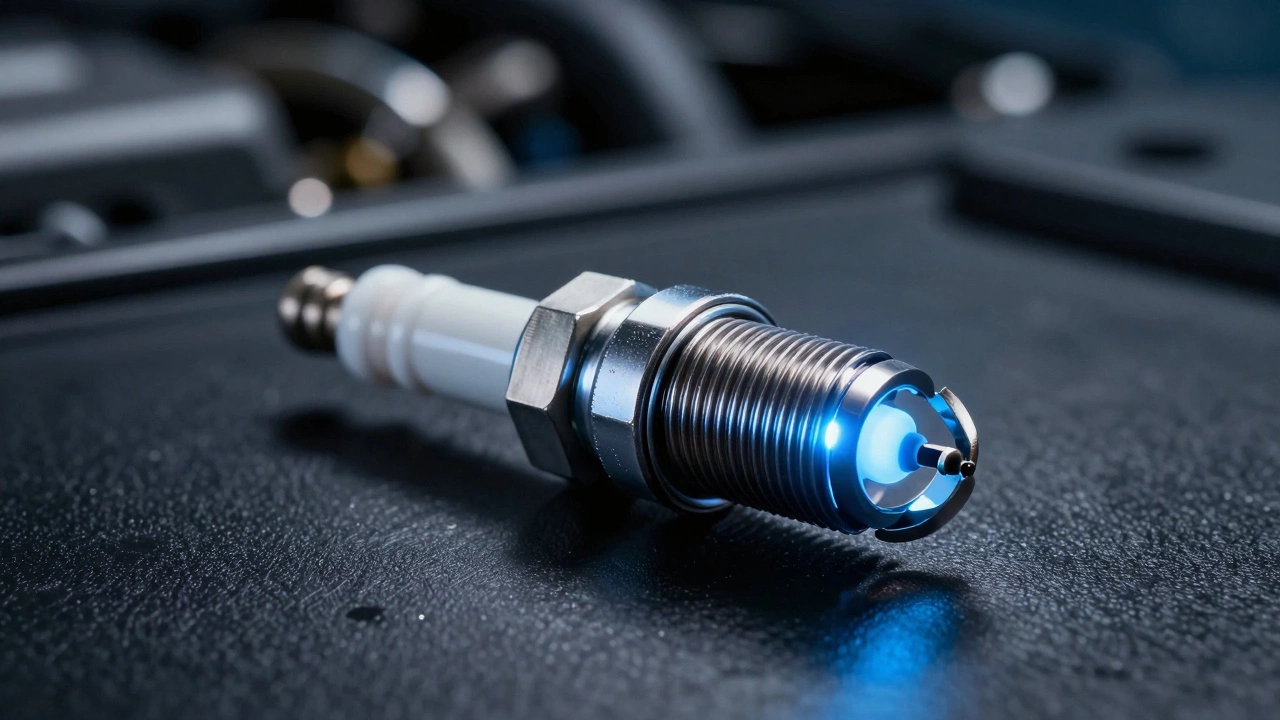
The real contenders for the 200,000-mile club are iridium and titanium plugs. Iridium is extremely dense and has a high melting point. This allows manufacturers to make the center electrode very fine, which requires less voltage to jump the gap. Because the electrode is so small and durable, it resists erosion far better than other materials. Many modern vehicles come with iridium plugs from the factory, rated for 100,000 to 120,000 miles. While 200,000 miles is beyond the official rating, many owners report success reaching this milestone, especially under gentle driving conditions.
| Material Type | Average Lifespan | Best For |
|---|---|---|
| Copper | 20,000 - 30,000 miles | Older cars, high-performance tuning |
| Platinum | 50,000 - 100,000 miles | Standard daily drivers |
| Iridium | 100,000 - 120,000+ miles | Modern engines, long-term reliability |
| Titanium | 50,000 - 100,000 miles | High-RPM applications |
Signs Your Spark Plugs Are Dying
You won’t always know your spark plugs are failing until they cause a problem. Unlike oil changes, where you have a clear schedule, spark plug degradation is gradual. However, your car will give you clues if you pay attention.
The most obvious sign is a rough idle. If your engine shakes or stutters when you are stopped at a red light, one or more cylinders might not be firing correctly due to a weak spark. You might also notice difficulty starting the car, especially in cold weather. A worn plug requires more energy to ignite the air-fuel mixture, making starts harder.
Fuel economy is another key indicator. When spark plugs wear out, the combustion process becomes inefficient. Unburned fuel escapes through the exhaust, meaning you are paying for gas that doesn't move your car. If you find yourself filling up the tank more often without changing your driving habits, check the plugs.
Poor acceleration is a classic symptom. If the car feels sluggish or hesitates when you step on the gas, the ignition system might be struggling to deliver consistent power. In severe cases, you might see the Check Engine Light illuminate with codes related to misfires (P0300-P0308). Ignoring these signs can lead to damage to the catalytic converter, which is a much more expensive repair than a set of spark plugs.
Driving Habits That Kill Spark Plugs Early
Even if you buy the most expensive iridium plugs available, your driving style can shorten their life significantly. Hard driving puts extra stress on the ignition system. Frequent high-RPM driving, such as aggressive overtaking or track days, generates intense heat that accelerates electrode erosion.
Short trips are surprisingly damaging. When you drive only a few miles at a time, the engine doesn’t reach full operating temperature. This leads to condensation and carbon buildup inside the combustion chamber. Carbon deposits can foul the spark plugs, preventing them from sparking effectively. This is known as "fouling," and it can happen regardless of the plug's material quality.
Using the wrong fuel octane can also cause issues. If your engine requires premium fuel but you regularly use regular grade, pre-ignition or knocking can occur. This creates abnormal pressure spikes that can physically damage the spark plug electrodes. Always follow the manufacturer’s recommendation for fuel type to protect your investment in long-life plugs.

Cost vs. Convenience: Is It Worth Waiting?
Some drivers think that skipping spark plug replacements saves money. After all, if the car runs fine, why spend the cash? This logic holds water only if you are using genuine long-life plugs and your engine is healthy. However, waiting too long carries risks.
As plugs age, the resistance in the ignition coil increases. The coils work harder to send electricity across the widening gap in the plug. This extra strain can cause ignition coils to fail prematurely. Replacing a single ignition coil costs significantly more than a set of spark plugs. By neglecting the plugs, you might save $100 today but face a $400 coil replacement next month.
Additionally, labor costs vary widely. In some engines, spark plugs are easily accessible. In others, they are buried deep within the cylinder head, requiring removal of intake manifolds or other components. If you wait until a plug breaks off inside the cylinder-a rare but possible event with very old plugs-the repair bill skyrockets. Mechanics often recommend proactive replacement to avoid catastrophic failures.
How to Maximize Spark Plug Life
If you want to stretch your spark plugs toward that 200,000-mile goal, start with prevention. Ensure your engine is running efficiently. Fix vacuum leaks promptly, as they alter the air-fuel ratio and can foul plugs. Keep your air filter clean to prevent excess dirt from entering the combustion chamber.
Use high-quality fuel additives occasionally to clean carbon deposits. Products designed to clean injectors and valves can help maintain a clean environment for your spark plugs. Regular maintenance of the fuel system supports the ignition system indirectly.
Finally, listen to your car. If you notice any changes in performance, don’t dismiss them as normal aging. Address issues early. A quick inspection by a trusted mechanic can tell you if your plugs are still good or if they are nearing the end of their useful life. Visual inspection involves removing the plugs and checking the electrode gap and color. A healthy plug should have a light tan or gray insulator nose. Black, oily, or white deposits indicate problems that need attention.
Can I replace spark plugs myself?
Yes, if you have basic mechanical skills and the right tools. You will need a socket wrench, a spark plug socket, and a torque wrench. Be careful not to cross-thread the new plugs into the cylinder head. Follow the manufacturer's torque specifications exactly. If your engine has difficult access points, consider professional help to avoid damage.
What happens if I drive with bad spark plugs?
Driving with worn spark plugs reduces fuel efficiency, causes rough idling, and leads to poor acceleration. Over time, unburned fuel can damage the catalytic converter, leading to costly repairs. It may also cause the engine to misfire, which stresses other components like the ignition coils.
Are iridium spark plugs worth the extra cost?
For most drivers, yes. Iridium plugs last longer and provide better performance than copper or standard platinum plugs. While they cost more upfront, the extended lifespan means fewer replacements over the life of the vehicle. They are ideal for modern engines designed for efficiency and low emissions.
How often should I check my spark plugs?
You should inspect your spark plugs during major service intervals, typically every 30,000 to 50,000 miles, even if they are long-life types. Look for signs of wear, fouling, or incorrect gap. Regular inspections help catch problems early before they affect engine performance or cause further damage.
Does the type of engine affect spark plug life?
Yes, turbocharged and direct-injection engines run hotter and under higher pressure, which can accelerate spark plug wear. These engines often require specific types of plugs designed to handle extreme conditions. Always consult your owner's manual for the recommended plug type and replacement interval for your specific engine configuration.