Engine Oil: What You Need to Know Before Your Next Oil Change

When it comes to keeping your car alive, nothing matters more than engine oil, a lubricant that reduces friction, cools engine parts, and prevents wear. Also known as motor oil, it’s the lifeblood of your engine—without it, even a brand-new engine can seize up in minutes. You might think all oils are the same, but the truth is, using the wrong kind can lead to sludge, overheating, or even total engine failure. And it’s not just about changing it on time—it’s about choosing the right viscosity, knowing when to skip synthetic, and understanding what happens when you overfill or top off old oil.

Synthetic oil, a high-performance lubricant made from chemically engineered molecules offers better protection and lasts longer than conventional oil, but it’s not always the best choice. If you’ve got an older engine with worn seals, or you’re breaking in a new motor, synthetic can actually cause leaks or poor ring seating. Then there’s oil viscosity, the measure of how thick or thin the oil flows at different temperatures. Swapping 10W-30 for SAE 30 might seem harmless, but in cold weather, that thicker oil won’t flow fast enough to protect critical parts on startup. And don’t forget oil level, the amount of oil in your engine. Too little? Your engine runs hot and wears out fast. Too much? It foams, loses pressure, and can damage seals or even the catalytic converter.

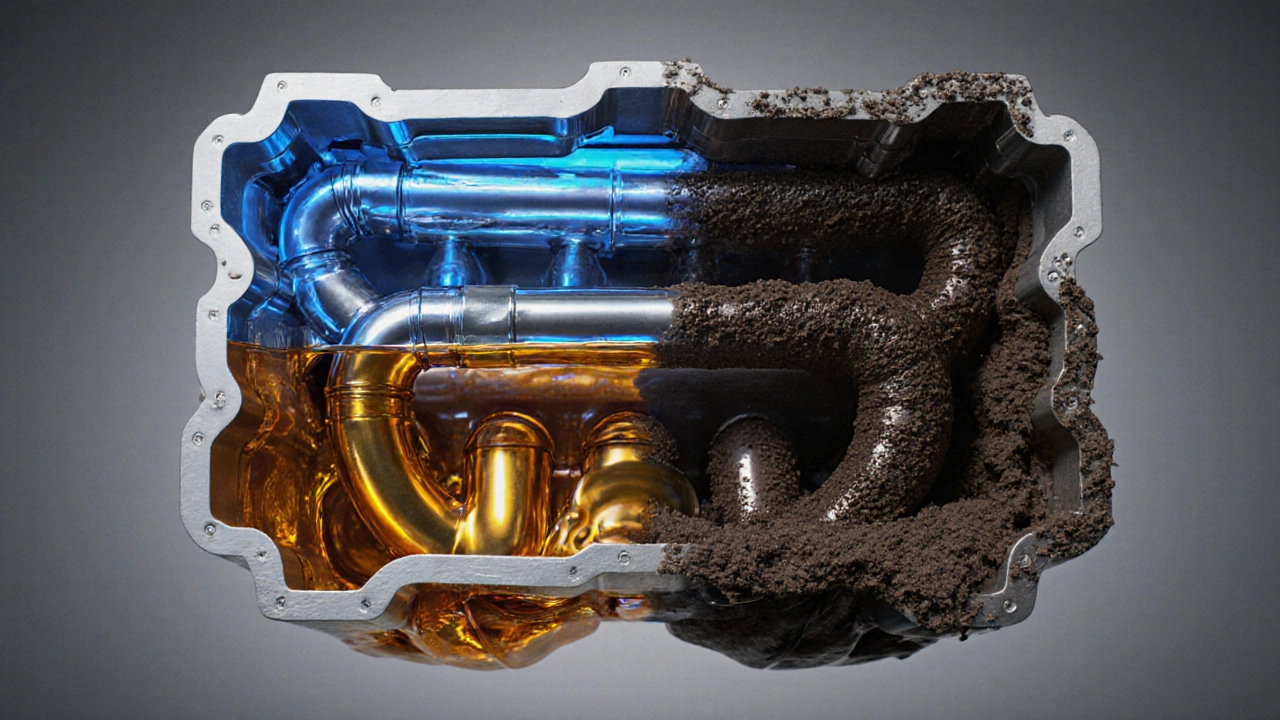
Most people think oil just sits there until it’s time for a change. But oil breaks down over time—even if you’re not driving much. Moisture builds up, additives deplete, and dirt accumulates. That’s why skipping an oil change isn’t just lazy—it’s risky. Old oil turns to sludge, clogs tiny passages, and turns your engine into a friction factory. And topping off with new oil on top of old? That’s not a fix—it’s a delay. You’re not refreshing the oil; you’re just diluting the junk.

What you’ll find below isn’t theory. These are real, practical stories from people who learned the hard way: the guy who added an extra quart and lost power, the driver who waited too long and ended up with a $4,000 repair, the mechanic who saw the same mistake over and over again. You’ll learn exactly when to use synthetic, how to tell if your oil is still good, what to do if you overfilled, and why that little dipstick check might be the most important thing you do every month. No fluff. No jargon. Just what actually keeps your engine alive.
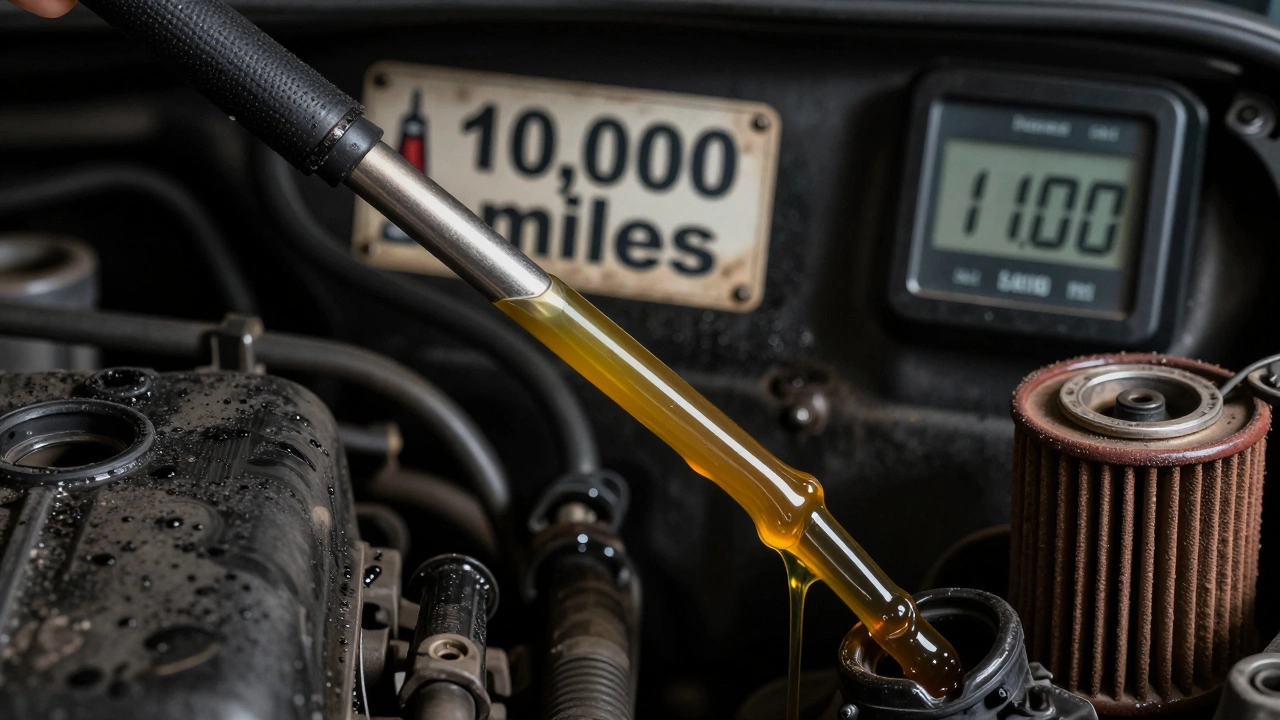
Can I Put New Oil on Top of Old Oil? Simple Engine Oil Facts

Ever wondered if pouring new oil over old oil is okay for your car? This article breaks down what actually happens when you top off without a full oil change. Get clear advice on whether this is a good move, what experts say, and how it affects your engine. We’ll talk about signs your oil’s no good and tips to keep your car running smoothly. If you’re looking to keep engine trouble out of your garage, these facts will help you out.

View more
0 Comments

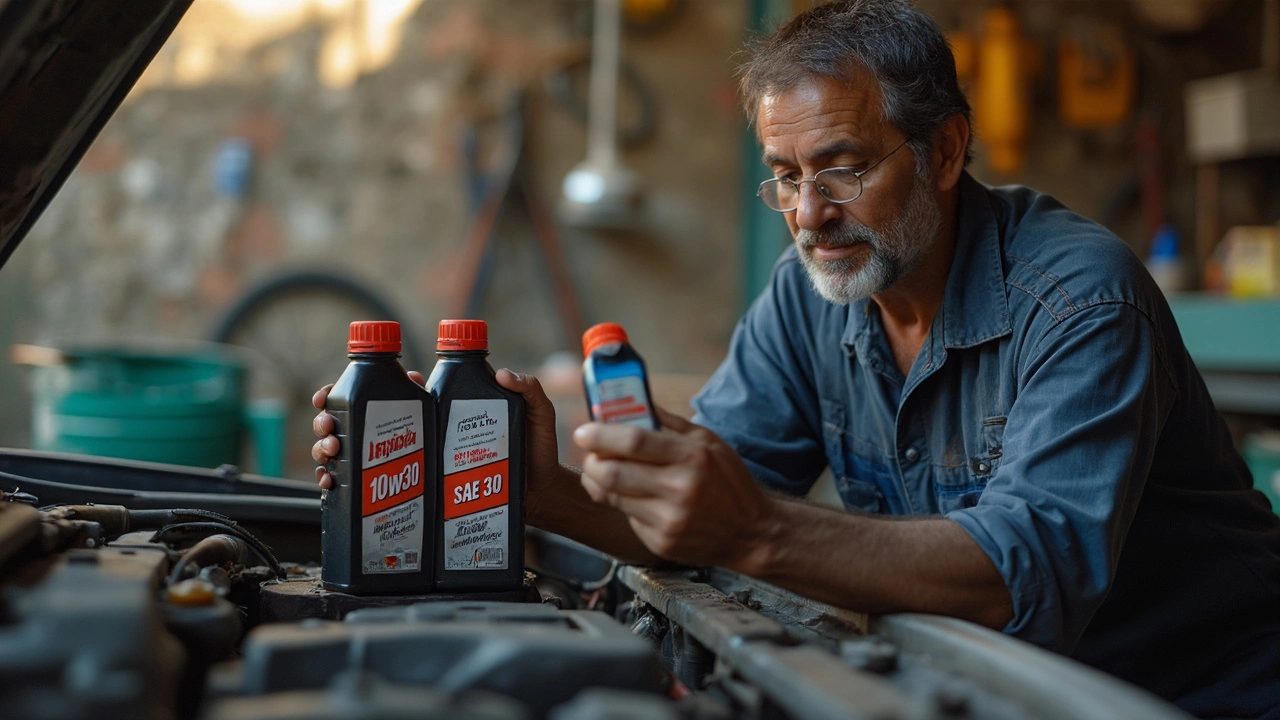
Is it OK to Use SAE 30 Instead of 10w30? Engine Oil Showdown

Wondering if you can swap out 10w30 oil for SAE 30 in your engine? This article breaks down the real differences and what happens if you make the switch. Learn how each oil behaves in summer and winter, and why the right oil actually matters for your engine’s life. We'll also share some quick tips for reading oil labels and what to check before you buy. Get straight answers with no extra fluff.

View more
0 Comments

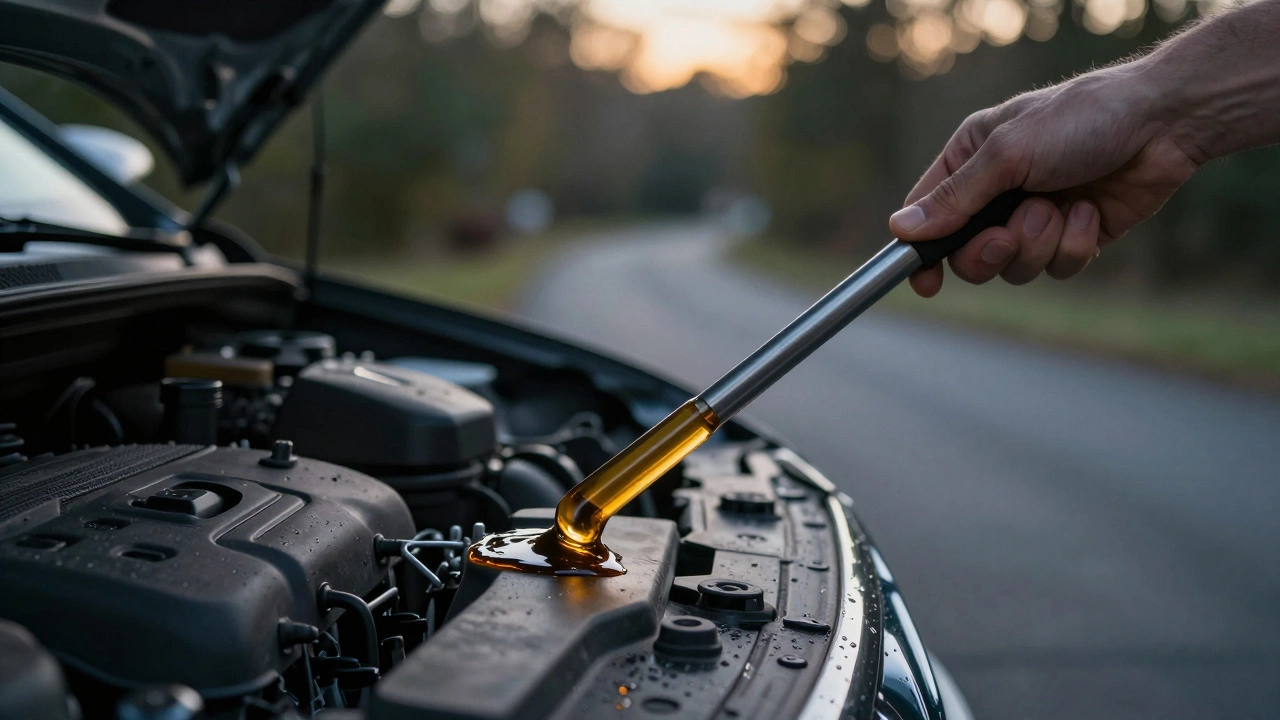
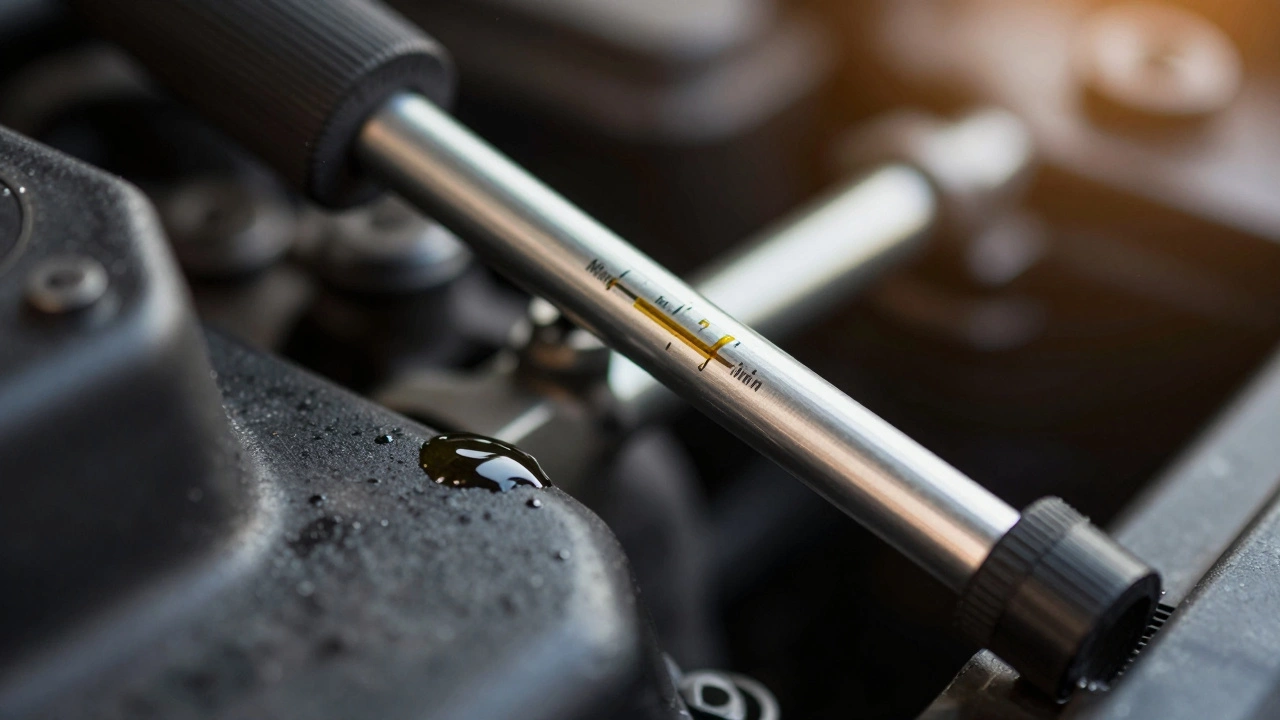
Engine Oil Overfill: Is a Little Extra Really Okay?

Engine oil overfill is one of those mistakes that can happen easily, even if you think you’re careful when topping up. This article explains exactly what happens if your oil is just a bit over the max line, why it matters, how much is too much, and what you should do if you’ve already overfilled. Real-life tips and facts will help you keep your engine running smooth and avoid sneaky problems down the road. We’re cutting through the confusion so you don’t have to worry every time you pull out the dipstick.

View more
0 Comments

How Long Can Oil Sit in an Engine Before It Goes Bad?

Changing engine oil is often overlooked, but knowing how long it can last unused is vital to engine health. Discover the lifespan of engine oil sitting in an engine and the factors that affect its degradation. Learn practical tips for checking oil quality and signs to watch out for. This guide will help maintain your engine's efficiency and avoid costly damage.

View more
0 Comments

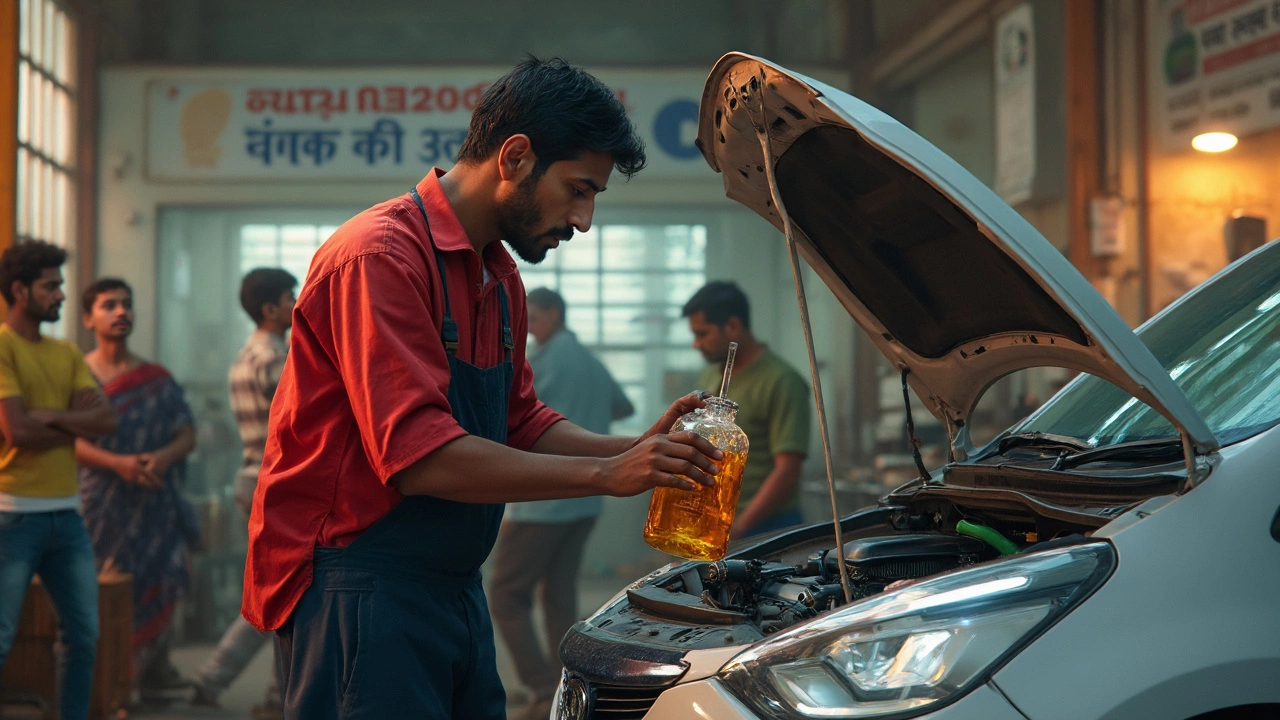
What Happens if Engine Oil Isn't Changed? Discover the Hidden Costs

Skipping regular engine oil changes can lead to disastrous consequences for your vehicle. What seems like a simple task can prevent costly engine damage and decrease the chance of unexpected breakdowns. Learn how old oil affects performance, fuel efficiency, and the engine's lifespan. Find out the biggest mistakes in engine maintenance and discover tips for keeping your car running smooth. A proactive approach can save you money and give you peace of mind on the road.

View more
0 Comments