Synthetic Oil Cost & Suitability Calculator
Enter your driving habits and vehicle details to see if the premium price of synthetic oil is worth it for you.
Financial Impact Over 5 Years
Recommendation
Fill in your details to get a personalized recommendation based on cost and mechanical risk.
You likely picked up the idea that synthetic oil is the ultimate upgrade for your car. It’s cleaner, lasts longer, and protects better. But before you spend the extra cash at the next service, it’s worth looking at the other side of the coin. Synthetic lubricants aren’t perfect for every driver or every vehicle.
The main issues usually come down to cost, compatibility with older engines, and the specific demands of your driving habits. If you drive a 15-year-old sedan on city streets only, the premium price tag might not make sense. Let’s break down exactly where synthetic oil falls short so you can decide if it’s actually right for your situation.
Key Takeaways
- Higher upfront cost: You pay 30-50% more per liter than conventional oil, which adds up over time.
- Older engine risks: Highly refined synthetic detergents can sometimes mobilize old sludge in engines that haven't had regular oil changes.
- Not always necessary: For low-mileage, non-performance vehicles, conventional oil often provides sufficient protection at a lower price.
- Maintenance discipline matters: The extended drain intervals of synthetic oil require strict record-keeping; missing an oil change can be more damaging due to the longer gap.
The Price Tag: Why Your Wallet Hurts More
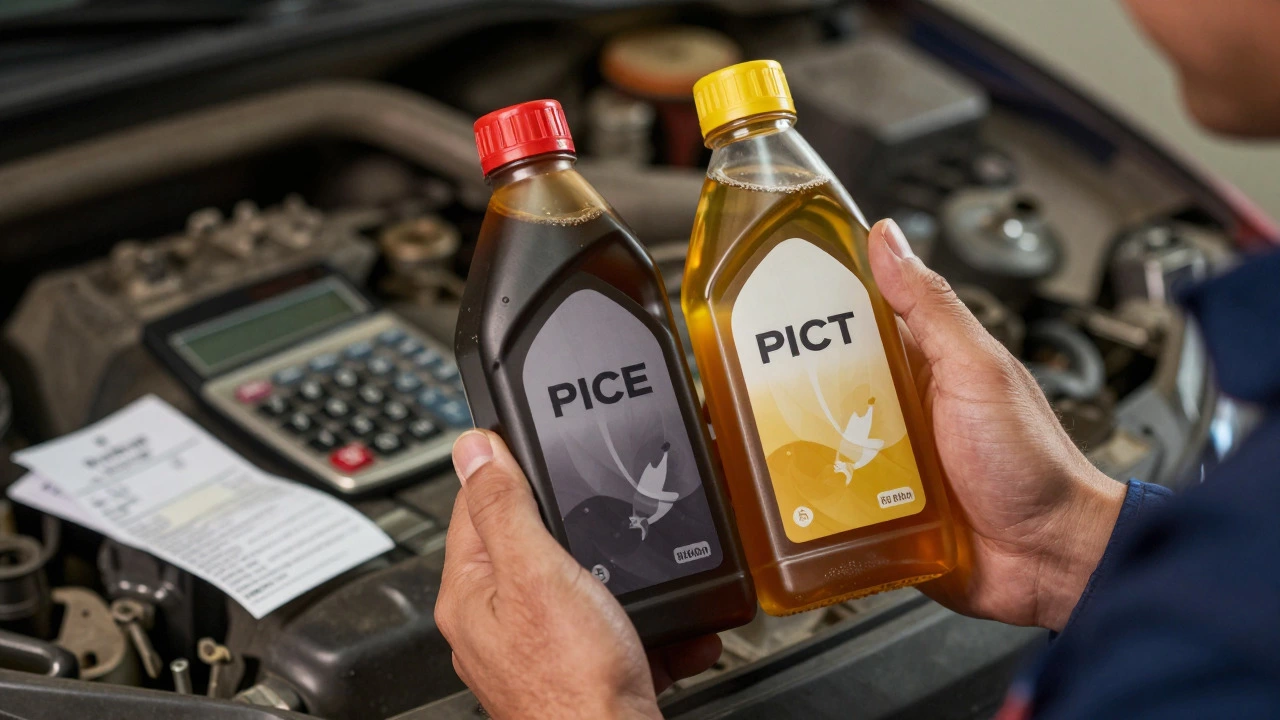
The most immediate disadvantage is simple math. A quart of high-quality full synthetic oil typically costs between $10 and $15, whereas conventional oil sits around $6 to $8. That’s a significant jump when you factor in labor fees, which rarely change based on the oil type.
If you drive a vehicle that requires 5 quarts of oil, you’re looking at an extra $20 to $40 per oil change. For a driver who gets their oil changed every 5,000 miles, that’s an additional $40 to $80 annually just for the fluid. Over five years, this difference can exceed $400. Is that money better spent on tires, brakes, or savings? For many budget-conscious drivers, the answer is yes. Conventional oil still performs admirably well within its recommended service interval, making the premium feel unnecessary for basic daily commuting.
Compatibility Issues in Older Vehicles
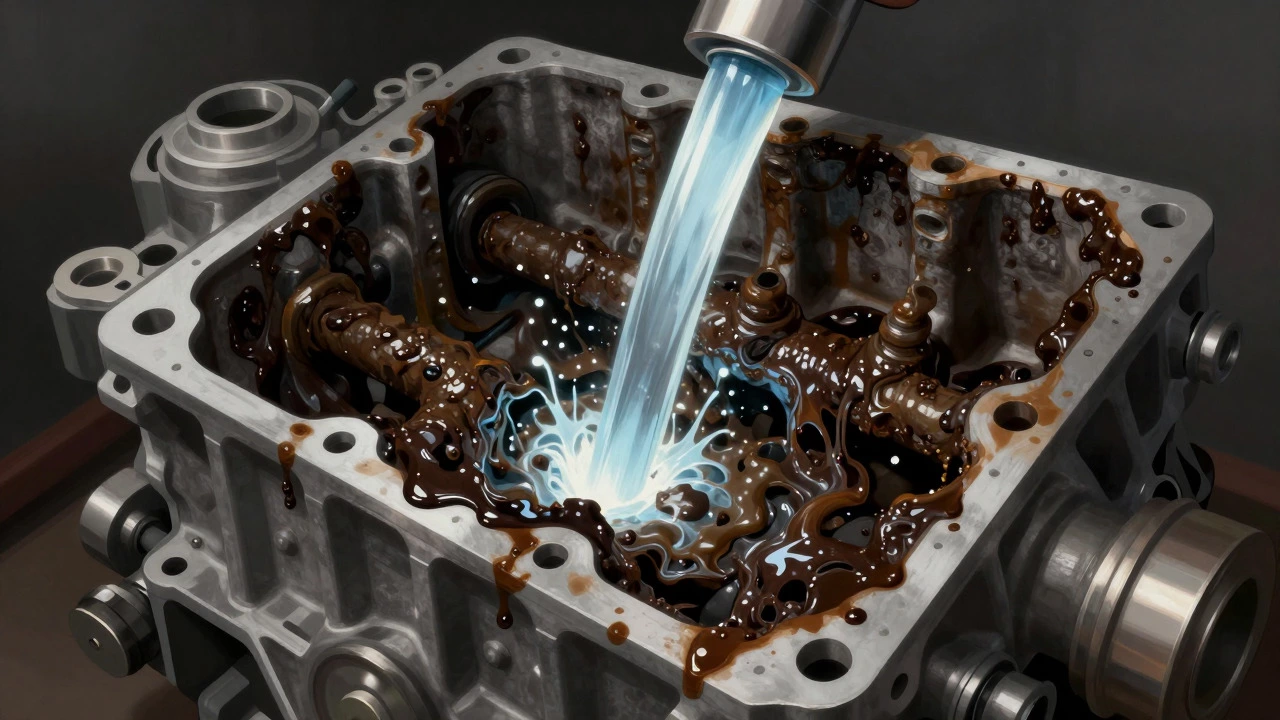
This is a nuanced point that mechanics often miss. Modern synthetic oils are engineered with powerful detergents designed to keep engine internals spotless. In a new car, this is great. In a car with 100,000+ miles that has been running on conventional oil with inconsistent maintenance history, these detergents can work against you.
Older engines often have hardened sludge deposits clogging tiny passages like oil galleries or valve lifters. When you introduce a high-detergent synthetic oil, it can dissolve some of this sludge. While sounds good, those dissolved particles can then flow through the engine and plug up filters or restrictors that were previously blocked but stable. This can lead to sudden loss of oil pressure or increased wear. If your car has a known history of neglect, a mechanic might recommend a flush or sticking with conventional oil until the engine is thoroughly cleaned.
Extended Intervals Require Strict Discipline
One of the biggest selling points of synthetic oil is that you can go 7,500 to 10,000 miles between changes instead of the traditional 3,000 to 5,000. However, this flexibility creates a trap for forgetful drivers.
Because the window is wider, it’s easier to lose track of the last change date. If you accidentally skip an oil change by even 2,000 miles, the cumulative stress on the engine is higher because the oil has been working harder for a longer period. Conventional oil degrades predictably; once it hits its limit, it’s bad. Synthetic oil holds up better, but if you push it too far, the failure mode can be less obvious until damage occurs. You need to be meticulous with your maintenance records. If you tend to forget appointments, the shorter, more frequent schedule of conventional oil might actually be safer for your peace of mind.
Performance Myths vs. Reality
Synthetic oil is marketed as a performance booster, but for the average driver, the difference is negligible. Yes, it flows better in extreme cold and handles higher temperatures under race conditions. But do you live in a place where it drops below -30°C regularly? Do you tow heavy loads up mountain passes every weekend?
If your driving consists of stop-and-go traffic in Adelaide or mild suburban commutes, the thermal stability advantages of synthetic oil are largely wasted. You are paying for capabilities you never use. The viscosity index of synthetic oil prevents thinning out in heat, but modern conventional oils have improved significantly in recent decades. Unless you are pushing your engine to its redline frequently, the "performance" benefit is mostly marketing fluff.
| Factor | Synthetic Oil | Conventional Oil |
|---|---|---|
| Average Cost Per Quart (AUD) | $12 - $18 | $7 - $10 |
| Recommended Change Interval | 7,500 - 10,000 miles | 3,000 - 5,000 miles |
| Risk in Old Engines | High (Sludge mobilization) | Low (Gentler detergents) |
| Cold Weather Flow | Excellent | Adequate (Thickens in extreme cold) |
| Best For | New cars, high performance, severe climates | Older cars, low mileage, budget focus |

Environmental and Recycling Nuances
While often touted as "greener" because they last longer, the production process for synthetic oil is energy-intensive. It involves complex chemical synthesis rather than just refining crude oil. Some argue that the carbon footprint of manufacturing synthetic base stocks is higher per unit volume.
However, the bigger environmental issue is disposal. If you switch from conventional to synthetic mid-life, you create a mixed waste stream. Most recycling facilities handle both fine, but if you buy used parts or sell your car, the provenance of the oil used can sometimes complicate resale value discussions among enthusiasts. It’s a minor point, but worth noting if you view your car as an investment asset.
When Should You Avoid Synthetic Oil?
Based on these downsides, here are three scenarios where sticking with conventional oil might be the smarter move:
- Your car is over 10 years old with unknown maintenance history: The risk of sludge mobilization outweighs the benefits of extended intervals.
- You drive fewer than 10,000 km per year: The frequency of oil changes is already low enough that the cost difference is minimal, and the extended interval doesn't save you much time or money.
- You are on a tight budget: Saving $30 per oil change can add up to meaningful savings for tire replacements or brake pads.
Frequently Asked Questions
Will synthetic oil hurt my old engine?
It can, if the engine has significant existing sludge buildup. The strong detergents in synthetic oil can loosen old deposits, which may then clog narrow oil passages. If your engine runs clean, there is no harm. If it’s neglected, consult a mechanic first.
Is it okay to mix synthetic and conventional oil?
Yes, they are fully compatible. You can top off with either type in an emergency. However, mixing them means you won’t get the full benefits of the synthetic formulation, such as the extended drain interval. It’s best to stick to one type for consistency.
Why is synthetic oil so expensive?
The cost comes from the complex manufacturing process. Unlike conventional oil, which is refined from crude, synthetic oil is chemically engineered to have uniform molecular structures. This precision allows for better performance but requires more processing steps and higher-quality base stocks.
Do I need synthetic oil for a diesel engine?
Most modern diesel manufacturers recommend synthetic or semi-synthetic oil due to the higher compression ratios and heat generated. However, older diesels with long service intervals might benefit from conventional oil if driven gently. Always check your owner’s manual for the specific API specification required.
Can I switch back to conventional oil after using synthetic?
Yes, you can switch back at any oil change. Just ensure the conventional oil meets the same viscosity grade (e.g., 5W-30) and API standard. The engine will adapt quickly. The main downside is that you’ll need to shorten your oil change interval back to the conventional recommendation.