Brake Safety: What You Need to Know About Stopping Power and When to Act
When it comes to brake safety, the system that keeps your vehicle under control during stops. It's not just about pads—it's about the whole chain of parts working together to bring you to a halt when you need it most. Many drivers think brake safety means checking the pads once a year. That’s not enough. Your brakes include rotors, calipers, fluid, lines, and sensors—all of which can fail silently. A worn pad might squeal, but a cracked rotor or leaking line? Those don’t make noise until it’s too late.
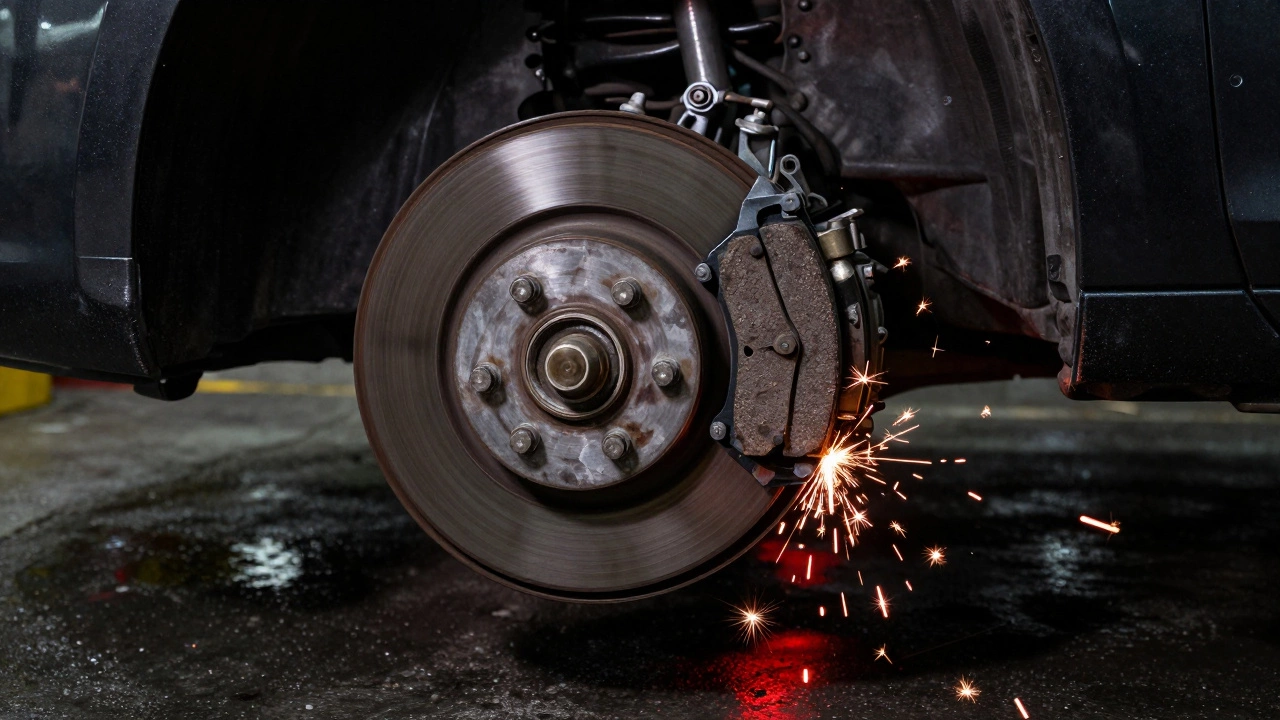
brake pads, the friction material that presses against the rotor to slow your car usually last between 30,000 and 70,000 miles, but that’s just a guess. If you drive in heavy traffic, carry heavy loads, or ride the brake on hills, they wear out faster. And if you replace pads without checking the brake rotors, the metal discs that the pads clamp onto, you’re setting yourself up for vibration, noise, or even warping. Rotors can’t be seen without removing the wheel, but signs like a pulsing pedal or steering wheel shake mean they’re done.
Brake fluid doesn’t last forever either. It absorbs moisture over time, lowering its boiling point. That means under hard braking—like avoiding a crash—the fluid can vaporize, and your pedal goes soft. Most manufacturers say to flush it every two years, but if you’re not sure when it was last done, it’s better to assume it’s overdue. And don’t ignore the warning lights. A brake light isn’t a suggestion—it’s a signal you’re driving with compromised stopping power.
You don’t need to be a mechanic to check your brakes. Look for thin pads (less than 1/4 inch), listen for high-pitched squeals or low grinding sounds, and feel for any delay when you press the pedal. If your car pulls to one side when braking, that’s a sign of uneven wear or a stuck caliper. These aren’t "maybe" problems—they’re red flags that need action now.
What you’ll find below isn’t a list of generic tips. It’s real advice from people who’ve been there: the driver who replaced pads and ignored rotors, only to spend double later; the one who waited too long and damaged the calipers; the person who thought their brakes were fine until they couldn’t stop in time. These posts cover what actually happens when brakes fail, how to spot the signs before it’s too late, and what steps you can take yourself to avoid costly, dangerous mistakes. This isn’t about upgrading your brakes—it’s about keeping them safe, reliable, and ready when your life depends on them.