Brake Wear Signs: Know When Your Brakes Are Failing
When your brake wear signs, visible or audible indicators that your braking system is deteriorating and needs attention. Also known as brake failure symptoms, these signals are your car’s way of saying it’s time to act—before you’re left with a dangerous, expensive problem. Ignoring them isn’t just risky; it’s common. Many drivers wait until the brake pedal feels soft or the car takes forever to stop. By then, you’re not just replacing pads—you’re replacing rotors, calipers, or worse.
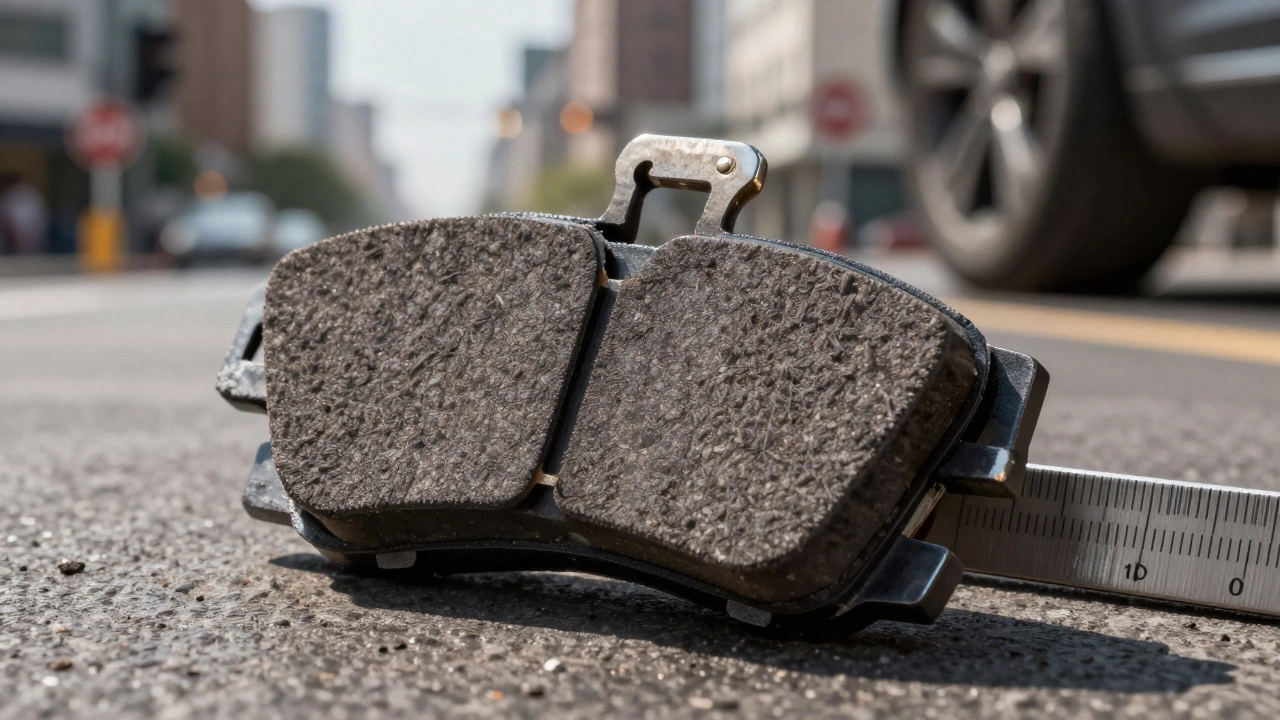
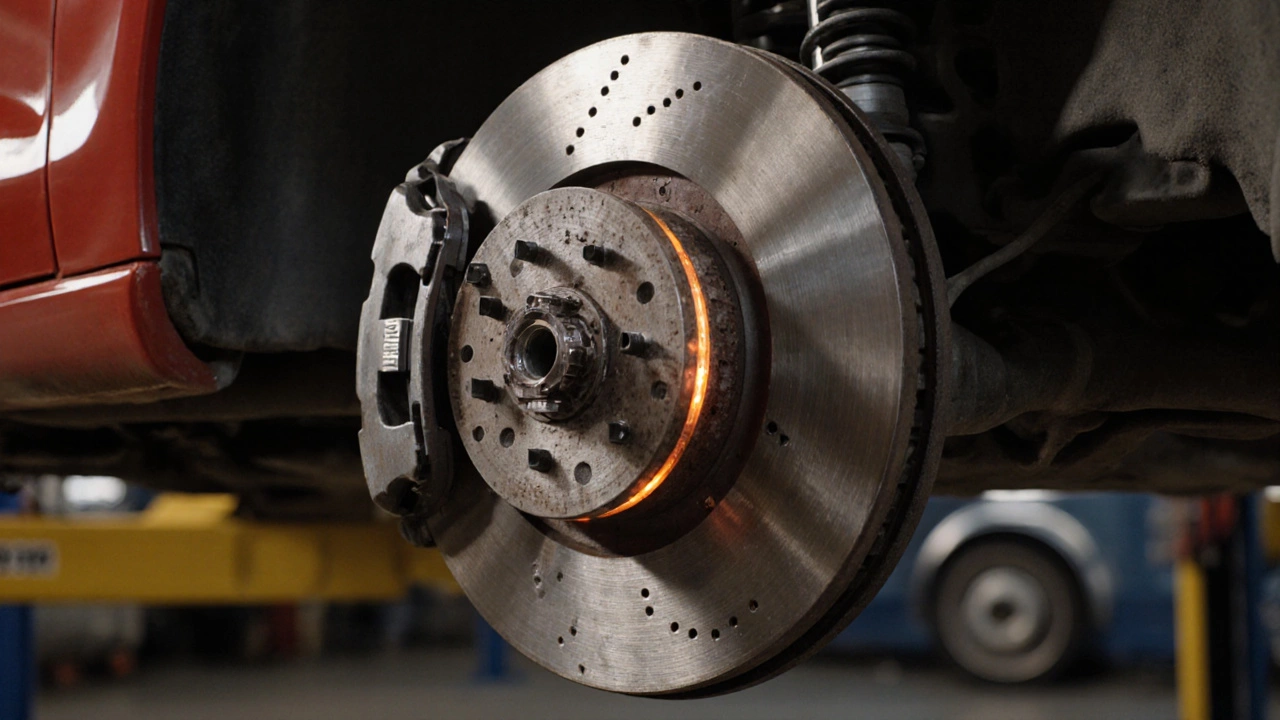
Brake wear signs don’t show up out of nowhere. They build up slowly. A high-pitched squeal when you press the pedal? That’s the wear indicator on your brake pads, friction material that presses against the rotor to slow the vehicle rubbing against the rotor. It’s designed to make noise so you don’t ignore it. A grinding sound? That’s metal on metal—your pads are gone, and now your brake rotors, the spinning discs that the pads clamp down on to stop the car are being damaged. Vibration in the steering wheel or pedal? That’s warping from overheating or uneven wear. These aren’t guesses. These are facts mechanics see every day.
And it’s not just about safety. Waiting too long turns a $150 pad replacement into a $600 rotor and pad job. Or worse—a full brake system rebuild. Your car doesn’t lie. If it’s making noise, shaking, or pulling to one side, it’s telling you something. You don’t need a diagnostic tool to know your brakes are failing. You just need to listen and feel. The posts below cover real cases: what sounds mean what, how to check pads yourself, why replacing just the pads isn’t always enough, and when you absolutely must walk away from the road until it’s fixed. These aren’t theory pieces. They’re practical, no-fluff guides from people who’ve been there.