Engine Air Filter: What It Does, When to Replace It, and What Really Matters
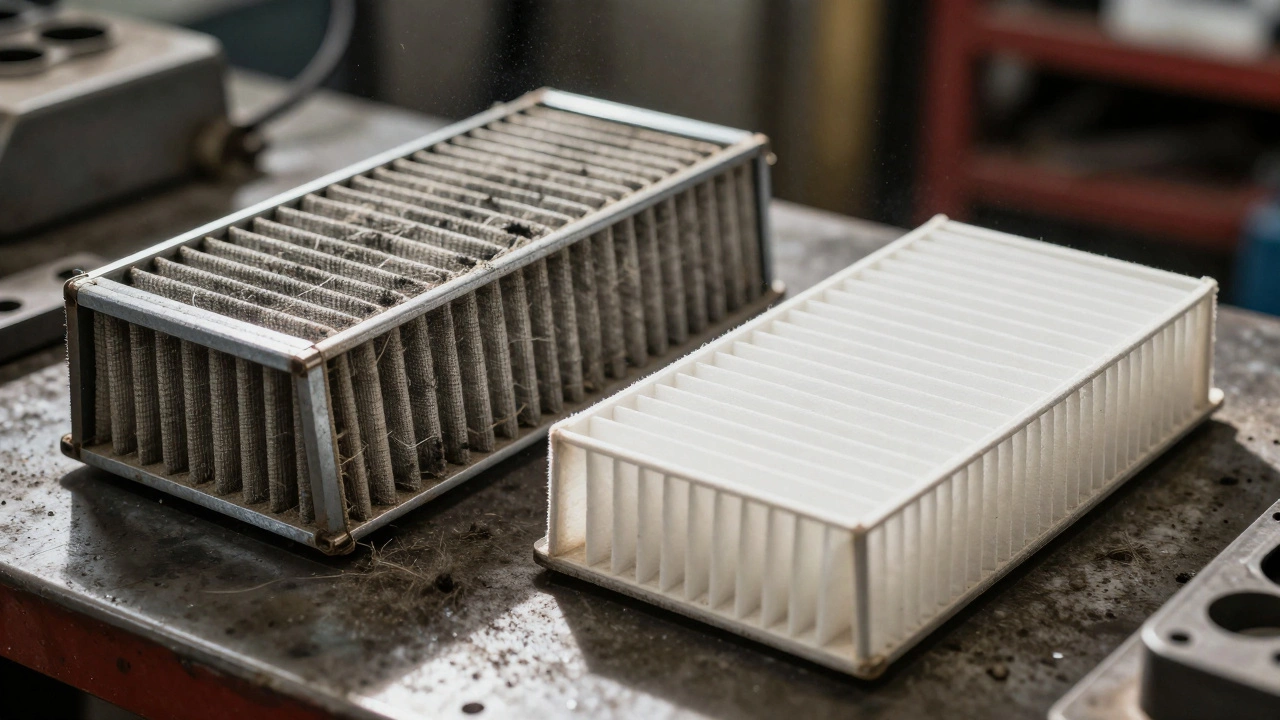
When you think about your car’s performance, you probably focus on the engine, the exhaust, or maybe even the spark plugs. But one of the most important parts you might be ignoring is the engine air filter, a simple component that blocks dirt, dust, and debris from entering your engine’s combustion chamber. Also known as an air intake filter, it’s not glamorous—but if it’s clogged, your engine loses power, burns more fuel, and wears out faster.
The cabin air filter, a separate filter that cleans the air inside your car’s cabin, gets all the attention for keeping your nose happy, but the engine air filter is what keeps your engine alive. It doesn’t just stop dirt—it protects your valves, pistons, and cylinders from abrasive particles that can cause permanent damage. A dirty filter doesn’t just reduce airflow; it forces your engine to work harder, which lowers fuel efficiency and can trigger check engine lights over time. Many people wait until their car feels sluggish before checking it, but by then, the damage might already be done.
Not all filters are the same. The air filter performance, how well a filter balances airflow and particle capture varies by material—paper, foam, or cotton gauze. OEM paper filters are cheap and effective for daily driving. Aftermarket cotton filters claim better airflow and reusability, but they’re not always better. Some high-flow filters let in more dust, especially in dusty areas, which can actually hurt your engine over time. And while a clean filter won’t suddenly give you extra horsepower, a dirty one will steal it—sometimes by as much as 10%. That’s not a myth. It’s physics.
How often should you replace it? Most manufacturers say every 12,000 to 15,000 miles, but that’s just a baseline. If you drive on gravel roads, in construction zones, or in dry, dusty climates, you might need to swap it every 6,000 miles. A quick visual check takes 30 seconds: hold it up to the light. If you can’t see through it, it’s time. No need to wait for a warning light. And don’t confuse it with the cabin filter—those are in the glovebox area, not under the hood.
What about those expensive "performance" filters that promise better fuel economy? Some deliver, but most are marketing hype. The real gain isn’t in the filter itself—it’s in replacing a clogged one. A clean filter restores lost efficiency. It doesn’t add power—it brings back what was already there. And if you’re thinking about upgrading, make sure it’s the right size and fit for your car. A poorly fitted filter, even a premium one, can let dust right in.
Below, you’ll find real-world advice from people who’ve been there—what actually works, what’s a waste of money, and how to spot a failing filter before it costs you more than a replacement ever would. Whether you’re trying to save fuel, avoid engine repair, or just understand what’s under your hood, these posts cut through the noise and give you the facts.